"All Play and No Work": The 1968 Pontiac Executive Wagon "Wide-Tracking" Advertisement (1968) — B级古董Automotive
CLASS B
1 / 4

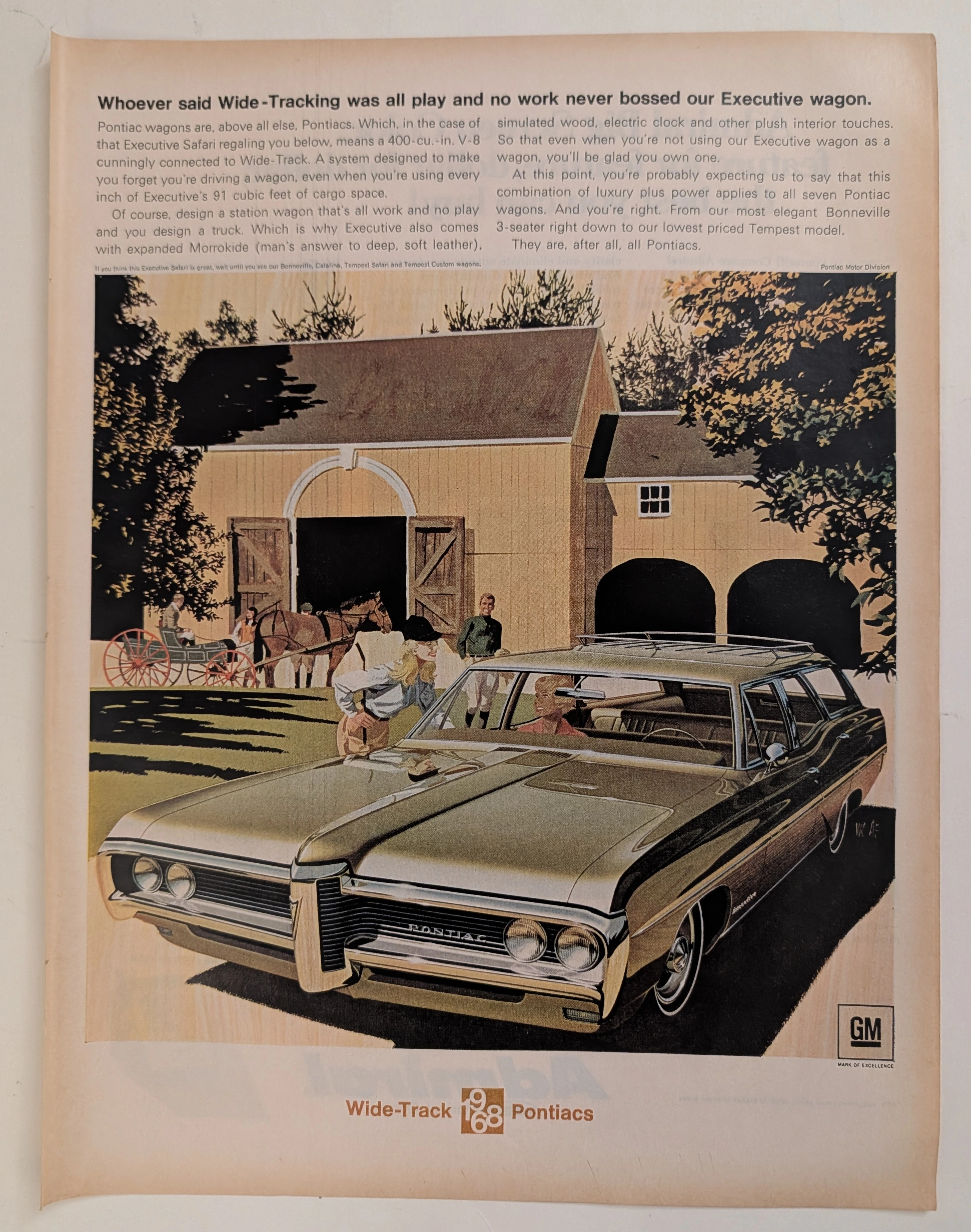
"All Play and No Work": The 1968 Pontiac Executive Wagon "Wide-Tracking" Advertisement

类别|Automotive
子类别|American
年份|1968
稀有度|CLASS B
Archive Views|9

Last updated: 26 Mar 2026

Historical Context

In the twilight of the 1960s, the American automotive industry was operating at the absolute zenith of its cultural, economic, and design influence. Pontiac, under the visionary leadership of executives like John DeLorean, had successfully shed its post-war reputation as a conservative brand, entirely redefining itself as General Motors' premier performance division. The cornerstone of this transformation was the famous "Wide-Track" marketing campaign. Originally rooted in a genuine engineering decision to widen the physical axle track for better handling, "Wide-Tracking" was mythologized by marketers into a lifestyle—a promise of stability, aggressive road presence, and uncompromised power. This specific 1968 advertisement for the Executive Safari wagon marks a fascinating sociological pivot in American consumerism. As the Interstate Highway System expanded and suburban sprawl evolved into established, affluent enclaves, the station wagon ceased to be marketed purely as a utilitarian family hauler. Instead, Pontiac positioned it as a highly sophisticated necessity for the upwardly mobile, active upper-middle class. Against the backdrop of a broader cultural upheaval in 1968, this advertisement sells a comforting vision of insulated, traditional prosperity. The setting of a private country club equestrian estate explicitly ties the vehicle to a life of exclusive leisure and "old money" luxury. Furthermore, the artwork represents the legendary, defining partnership of Art Fitzpatrick (AF) and Van Kaufman (VK). For over a decade, this duo held an unprecedented grip on General Motors' visual identity. Fitzpatrick, a master of automotive illusion, radically manipulated proportions—cutting up photographs, lowering rooflines, and artificially stretching the vehicles' width and length to maximize their visual dominance. To ground these impossibly sleek machines in reality, Kaufman (a former Disney animator) painted the glamorous, aspirational environments from his global travels. Together, their work bypassed the rational mind and appealed directly to the mid-century American desire for status, space, and speed.

Paper & Print Condition

Printed on standard mid-century, lightweight clay-coated magazine stock, typical of high-circulation prestige publications like Life or Look. High-resolution macro photography of the vehicle's grille and typography reveals the classic, overlapping rosettes of the CMYK (Cyan, Magenta, Yellow, and Key/Black) halftone dot structure. This specific dot spread is the distinct, uncounterfeitable signature of 1960s mass-market four-color commercial lithography. Tactilely, the paper retains its characteristic slickness, though it exhibits mild, uniform oxidation (acidic yellowing) predominantly along the margins—a natural degradation consistent with its half-century age and the lignin content of period paper pulp. Crucially, the ink saturation remains vibrant, and there are no significant tears, creases, or water damage apparent in the primary image field.

Provenance & Rarity

Extracted from a mainstream American periodical distributed in late 1967 or early 1968. Because these advertisements were ephemera—bound into magazines intended to be read once and subsequently discarded or recycled—their survival rate is remarkably low. While millions of impressions were originally struck, finding a surviving example carefully excised from the binding without tearing, and that has escaped the ravages of moisture, folding, and UV fading over five decades, is increasingly difficult. They are heavily sought after by automotive historians and mid-century modern design archivists.

Rarity & Condition Summary

his piece stands as a beautifully preserved, primary-source artifact of the golden age of American commercial art and automotive optimism. Its true historical and museum value lies not in absolute, single-item scarcity, but in its pristine, highly legible representation of the Fitzpatrick-Kaufman artistic partnership. It is a flawless time capsule that perfectly encapsulates the aesthetics, aspirations, and consumer psychology that defined a decade of American design.

Share This Archive

来自期刊

相关文章

The Time Traveller's Dossier: 柏油路上的航空建筑学 (Aeronautical Architecture on the Asphalt) – SAAB 96 V4 与克服恶劣天气的卓越工程 — related article
阅读文章

The Time Traveller's Dossier: 柏油路上的航空建筑学 (Aeronautical Architecture on the Asphalt) – SAAB 96 V4 与克服恶劣天气的卓越工程

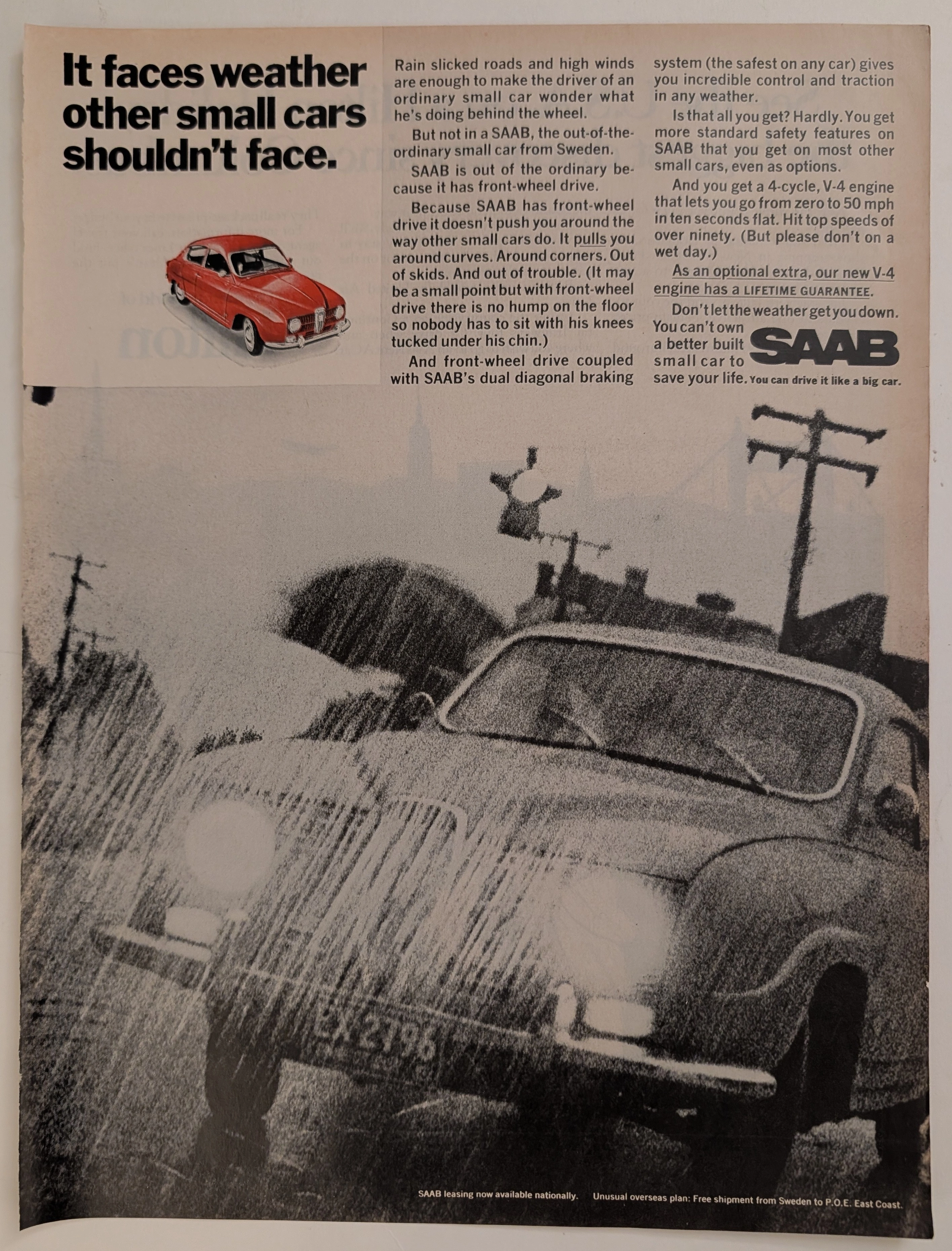
二十世纪中叶美国汽车市场版图的演变,受到了欧洲进口汽车涌入的严重冲击,这些进口品牌都在激烈地争夺市场份额,试图瓦解本土 V8 发动机和后轮驱动巨头们的霸权。今日,优雅且安全地陈列于 The Record Institute 分析台上的这件历史文献,是一份视觉冲击力极强、以叙事为驱动的 SAAB 汽车(搭载全新 V-4 发动机) 全版印刷广告,其年代可明确追溯至 20 世纪 60 年代末。这份文件完全超越了汽车营销的标准与实用边界。它作为一个高度复杂、多维度的文化镜像,精确地反射出消费心理学的一个特定时代:在这个时代,恶劣天气下驾驶的焦虑感,被一种源自航空、卓越非凡的工程学承诺进行了侵略性地缓解。通过巧妙地运用一张对比度极高、颗粒感极重的 SAAB 在狂风暴雨中穿行的黑白照片,并将其与一张纯净无瑕的、采用红色专色 (Spot-color) 印刷的车辆插图并列,该制造商成功地将自己定位的不仅仅是一家汽车公司,而是“气象学上无敌状态 (Meteorological invincibility)”的提供者。 这份世界级水准的综合卷宗将在最为严苛、毫不妥协的史学、社会学与材料科学评估参数下,对这件文献进行极其详尽的解剖。我们将绝大部分的分析焦点 (80%) 倾注于其巨大的历史引力上,深度破译“前轮驱动”叙事中蕴含的绝妙营销心理学,剖析“全新 V-4 发动机”这一深远的工程学转折,并解构其在联邦政府强制规定出台之前便将“安全性”作为营销核心的社会政治智慧。此外,当我们深入探究这种模拟印刷文献的化学与物理基础时 (10%),我们将揭示在红色 SAAB 插图的微距图像中捕捉到的专色半色调网点 (Spot-color halftones) 的精确机械指纹。最后,我们将评估其档案稀缺性 (10%),探索纸张基材优雅且自然的氧化是如何孕育出一种宁静的 侘寂 (Wabi-sabi) 美学的——这一自然、不可逆转的现象,正是全球顶级复古商业史料与汽车档案收藏圈中 呈指数级推高其市场价值 的核心引擎。
Superman: The Movie (1978) — 克里斯托弗·里夫旗杆明信片与超级英雄大片的诞生 — related article
阅读文章

Superman: The Movie (1978) — 克里斯托弗·里夫旗杆明信片与超级英雄大片的诞生

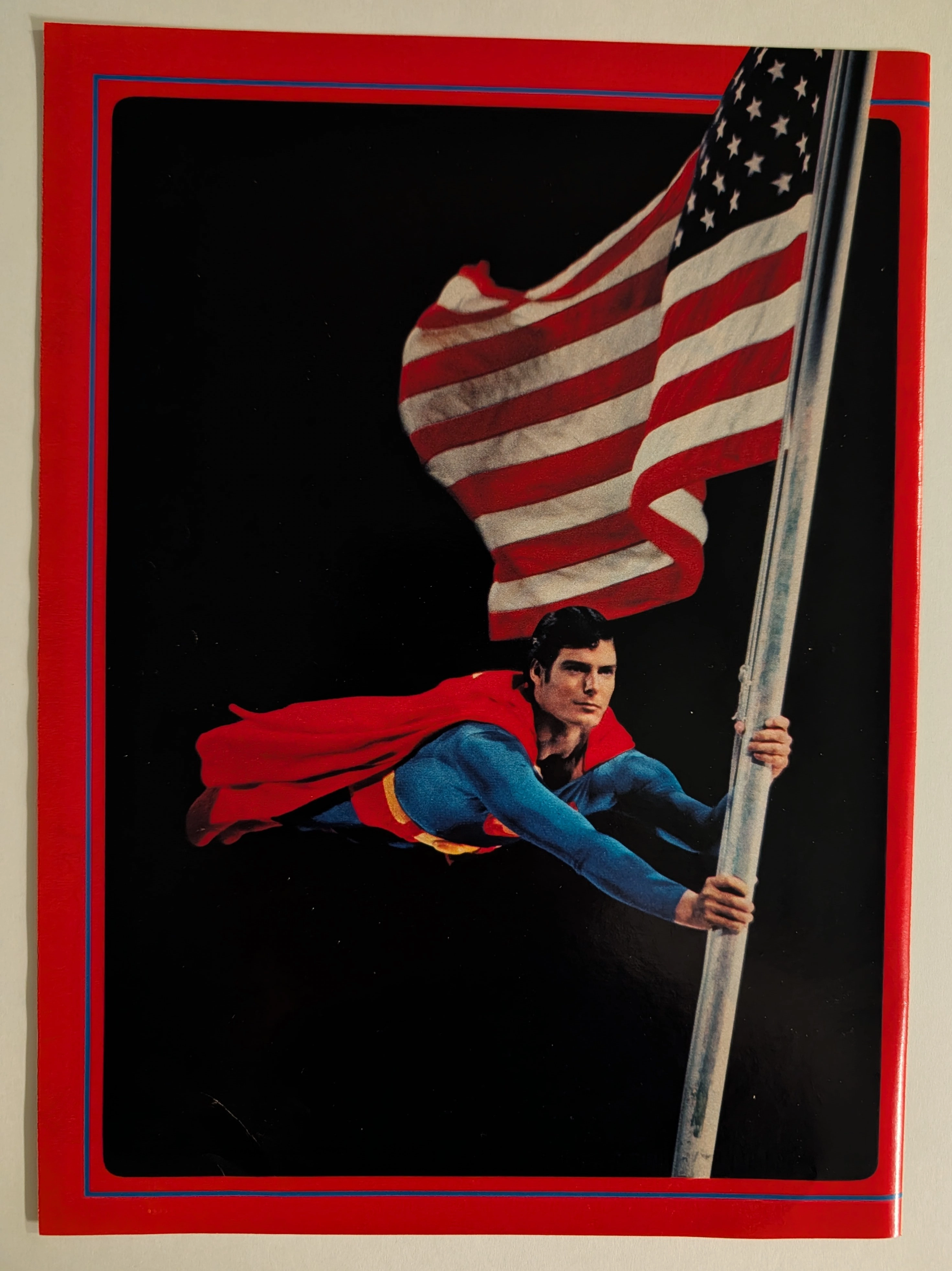
所分析的藏品为一张官方《超人:电影版》(Superman: The Movie) 商品明信片或大幅照片卡,画面中 Christopher Reeve 饰演的超人戏剧性地紧抓一根金属旗杆,一面巨大的美国国旗在他身后迎风飘扬,背景为纯黑色。图像外围是醒目的红色边框,内衬细蓝色线条——这一设计与华纳兄弟 (Warner Bros.) 和 DC 漫画 (DC Comics) 授权生产的官方《超人:电影版》(Superman: The Movie) (1978) 周边商品美学风格保持一致。Christopher Reeve (1952年9月25日 – 2004年10月10日) 在四部电影 (1978年、1980年、1983年、1987年) 中饰演超人,被普遍认为是电影史上最具代表性的超人形象。这张特定的图像——旗杆场景在黑色背景下被戏剧性地照亮——是原版电影宣传活动中最具标志性的宣传照片之一。该实物显示出与约45-47年历史相符的岁月痕迹,可见轻微的表面磨损和边角软化。明信片格式 (估计尺寸为4×6或5×7英寸) 和光面涂层纸张是1970年代后期高质量电影周边商品的典型特征。
The Time Traveller's Dossier : 零度以下的社交名流 – 莫特·德鲁克笔下的惠而浦 (Whirlpool) 自动制冰机展 — related article
阅读文章

The Time Traveller's Dossier : 零度以下的社交名流 – 莫特·德鲁克笔下的惠而浦 (Whirlpool) 自动制冰机展

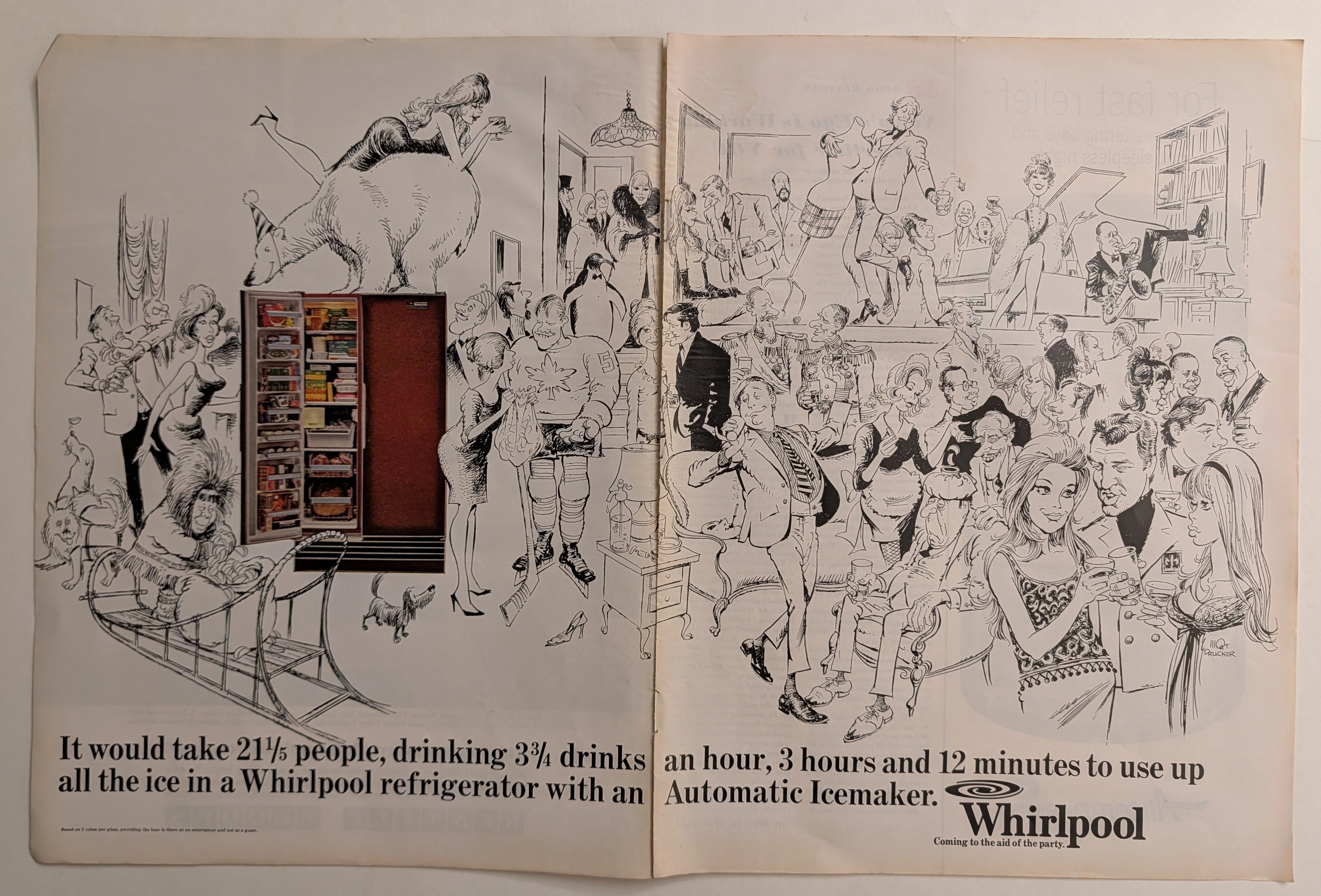
家用电器从单纯的功利性劳动工具演变为社交娱乐和心理舒适的核心支柱,是 20 世纪中叶美国最迷人的社会学现象之一。今日,优雅且安全地陈列于 The Record Institute 分析台上的这件历史文献 (Artifact),是一幅气势恢宏的 20 世纪 60 年代 惠而浦 (Whirlpool) 自动制冰机冰箱 大画幅双页跨版印刷广告。这份文件完全超越了传统家居用品营销的界限,它是一份深刻且复杂的宣言,宣告了技术创新如何解放美国中产阶级,将私人厨房转化为无限款待、闲暇与社会地位的枢纽。 这份世界级水准的综合卷宗对该文献进行了细致入微且极具深度的解析,在最为严谨的历史、社会学与材料科学评估参数下运行。我们将破译出自传奇插画家莫特·德鲁克 (Mort Drucker) 之手的精彩、混乱且充满动感的派对场景,并分析这种单色混乱与惠而浦冰箱高度结构化、全彩色现实之间的戏剧性视觉并置。此外,当我们深入探究这种模拟印刷史料的化学与物理基础时,我们将揭示 CMYK 半色调网点 (Halftone rosettes) 的机械指纹以及纸张基材优雅的自然氧化过程。视觉怀旧、波普艺术造诣与时间化学的精准交汇,孕育出了一种宁静的 侘寂 (Wabi-sabi) 美学——这一自然且不可逆转的现象作为核心引擎,在全球顶级的复古电器史料与商业艺术收藏圈中,呈指数级地推高其市场价值。
时光旅人档案:汽车贵族与废墟美学 — related article
阅读文章

时光旅人档案:汽车贵族与废墟美学

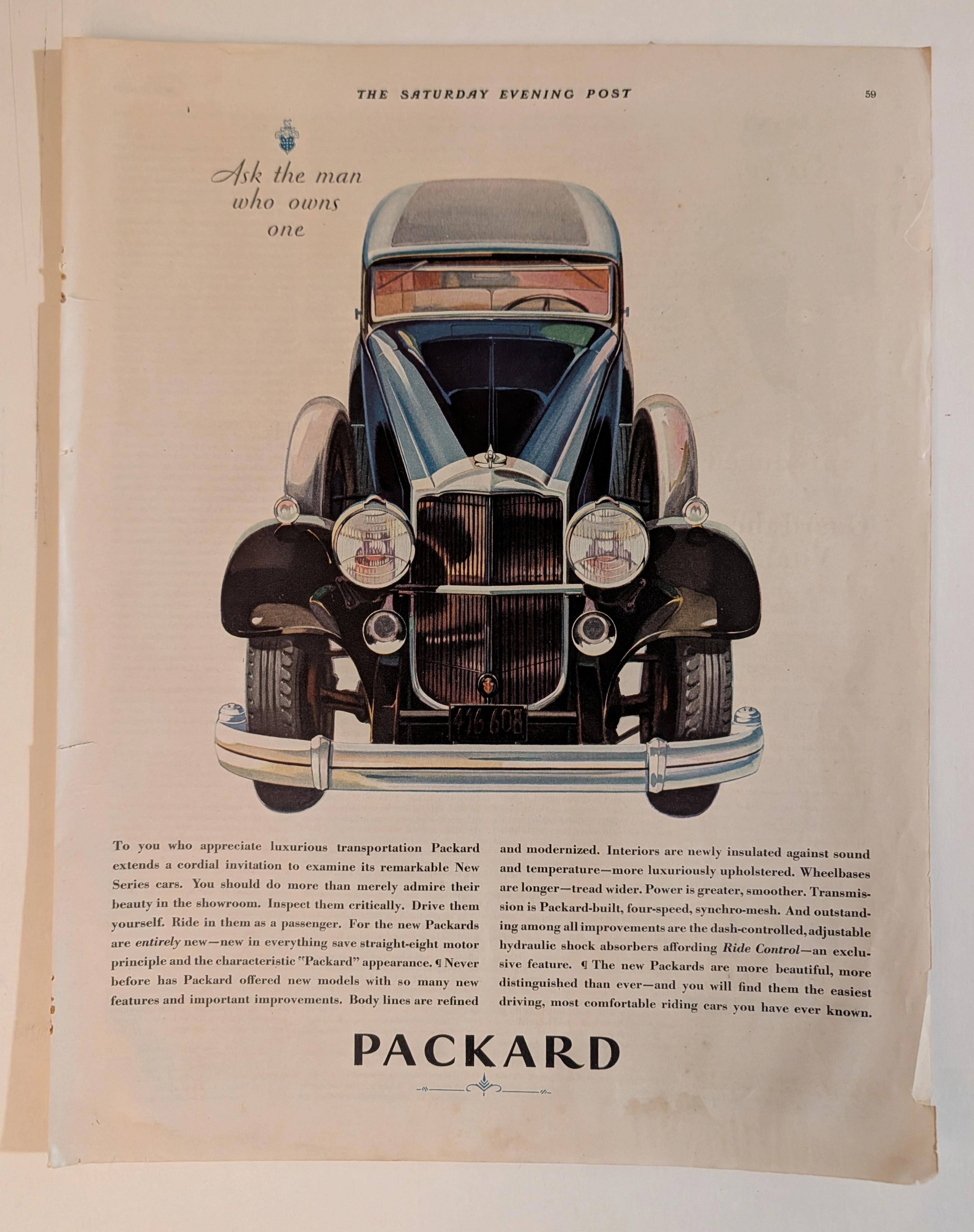
在严谨的博物馆级分析下,这件文物是一件保存完好的历史遗珍,源自美国汽车工业鼎盛的黄金时代。这件原始艺术文献取自《The Saturday Evening Post》的某期旧刊,呈现了一幅引人注、占据整页的Packard广告,Packard是世界历史上最负盛名的豪华汽车制造商之一。 画面以一幅引人注目的New Series Packard正面插画为主导,明确突出了其传奇的企业标语:“Ask the man who owns one”。这则广告发布于1930年代大萧条时期动荡的经济背景下,是一份深刻的社会学标志。它大胆地向一个在很大程度上免受时代金融崩溃影响的精英阶层推销着毫不妥协的奢华——夸耀着诸如四速同步啮合变速箱和“Ride Control”减震器等特色功能。 从物理层面来看,这件2000年前的模拟文物是侘寂美学令人惊叹的具象体现。它展现出左侧装订边缘的剧烈撕裂、底部边缘显著的受潮痕迹,以及深琥珀色的木质素氧化。这种自然的化学和环境降解过程,将一份大规模生产的商业印刷品转化为一件不可替代、可直接装裱的原始艺术文献,永远捕捉着模拟时代宏伟的消逝之美。