El Expediente del Viajero en el Tiempo : Construcción Naval en la Primera Guerra Mundial - El Cambio Industrial
Antes, los conflictos se resolvían mediante maniobras tácticas de caballería. Las guerras las ganaban hombres que empuñaban rifles en campos destrozados. Los generales eran los únicos arquitectos de la victoria o de la derrota. Ahora, en el crisol mecánico del primer conflicto global, el paradigma se fractura por completo. El campo de batalla ha mutado. Se extiende a través de los océanos, penetra en las acerías y fluye por la sombría aritmética de los patios de ferrocarril. La victoria ya no es una simple cuestión de coraje individual. Es una estricta e implacable cuestión de tonelaje. Este artefacto documenta ese exacto pivote tectónico. Captura el momento preciso en que el industrial estadounidense fue elevado al rango de salvador nacional. Es el plano fundamental del estado moderno militar-industrial.
Category: Other
The History
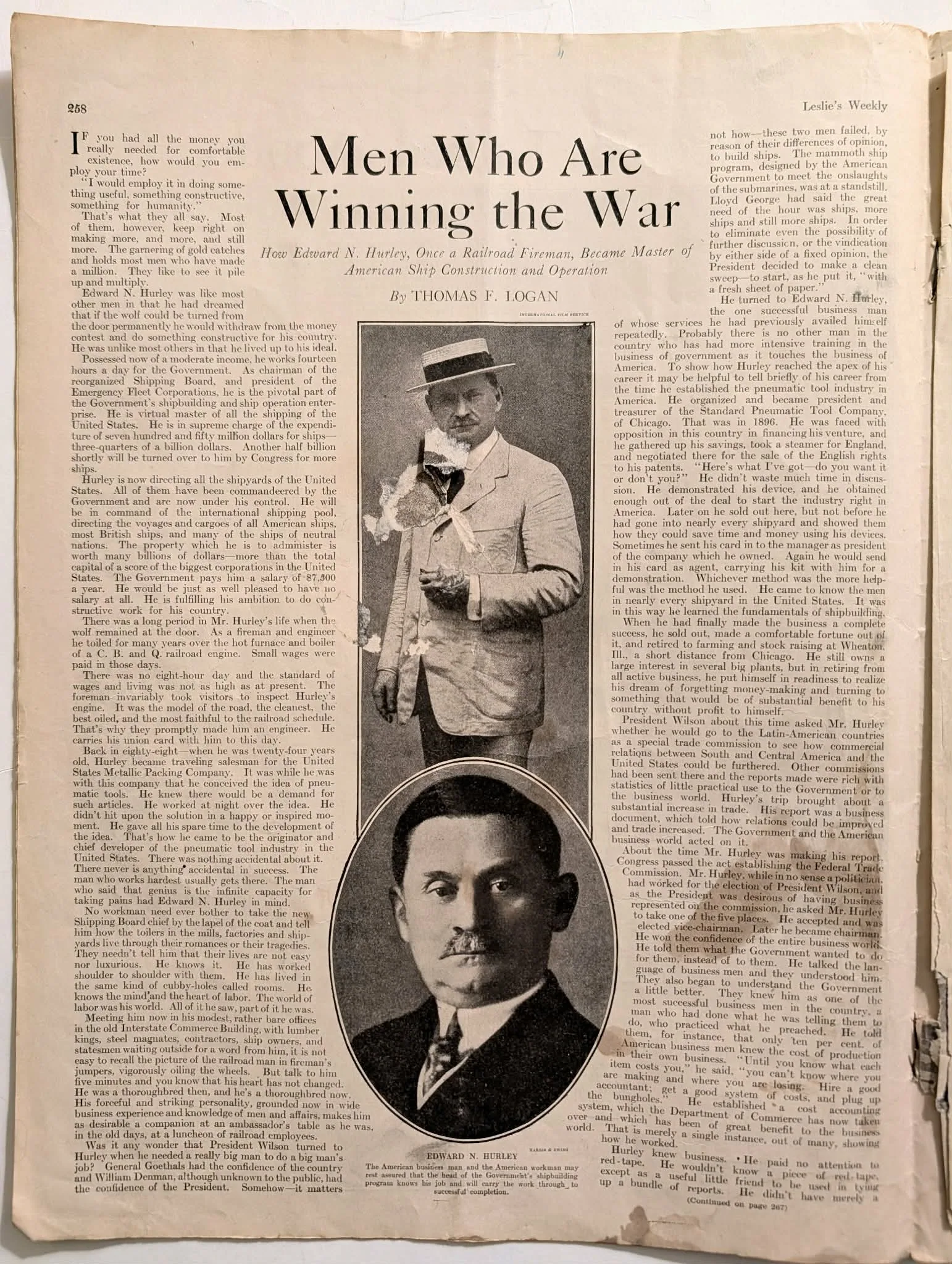
La historia rara vez cambia por una sola bala. Cambia por las cadenas de suministro. Para 1917, el continente europeo estaba atrapado en un estancamiento de matanza sin precedentes. La guerra de trincheras había borrado todas las nociones románticas del combate individual. La guerra había dejado de ser una competencia táctica o una maniobra de brillantez estratégica. Había degenerado en una macabra e implacable ecuación matemática. ¿Quién podía producir la mayor cantidad de proyectiles de artillería? ¿Quién podía desplegar la mayor cantidad de cuerpos en la línea del frente? Y, de manera crítica, ¿quién podía transportar estos colosales recursos a través de un océano masivamente hostil? El Imperio Alemán entendió esta geometría del desgaste a la perfección. Desataron la guerra submarina sin restricciones. Sus U-boats operaban con un mandato singular y devastador: seccionar la arteria vital transatlántica. Si se cortaban las líneas de suministro aliadas, Gran Bretaña moriría de hambre. La guerra no terminaría con una batalla decisiva, sino con un colapso sistémico silencioso. La súplica desesperada del Primer Ministro británico, David Lloyd George, resuena a través de los registros históricos de esta era. Exigió "barcos, más barcos y aún más barcos". Sin ellos, la producción industrial bruta de los Estados Unidos era completamente inútil. El Océano Atlántico se había convertido en un vertiginoso cementerio de buques mercantes. El aparato de construcción naval estadounidense era en ese entonces lento, fragmentado y totalmente falto de preparación para la velocidad de una guerra total. Se requería un cambio monumental en la filosofía operativa. El gobierno necesitaba confiscar los mecanismos del capital privado. Necesitaban un dictador de la logística. El Arquitecto Surgido de la Fragua Entra en escena Edward N. Hurley. El texto que tenemos ante nosotros, preservado en las frágiles fibras de Leslie's Weekly, traza el perfil del hombre encargado de un mandato imposible. Fue nombrado presidente de la Junta de Navegación reorganizada y presidente de la Emergency Fleet Corporation. Se le concedió el dominio absoluto sobre toda la navegación estadounidense. Se le entregaron tres cuartos de billón de dólares, una suma de un peso insondable en esa época. Otro medio billón era inminente. Pero Hurley no era un militar de carrera. No llevaba medallas en el pecho. No comandaba batallones en el sentido tradicional. Su inclusión en una serie de artículos titulada "Hombres que Están Ganando la Guerra" (Men Who Are Winning the War) es una revelación estructural. Significa la democratización absoluta del poder estadounidense frente a la crisis. El artículo ancla deliberadamente los orígenes de Hurley en la determinación de la clase trabajadora. Alguna vez fue fogonero de ferrocarril para la línea C. B. & Q. Paleaba carbón en las fauces ardientes de las locomotoras. Limpiaba los motores, asegurándose de que el suyo fuera el más limpio y el más fiel al horario. Llevaba consigo su tarjeta del sindicato, un talismán indeleble de sus orígenes. Este no es un mero detalle biográfico; es una herramienta psicológica vital desplegada por el escritor, Thomas F. Logan. En una era de profundos disturbios laborales y huelgas sindicales, el gobierno necesitaba que el trabajador creyera en el esfuerzo de guerra. Al colocar a un antiguo fogonero de ferrocarril al mando de la mayor movilización industrial de la historia humana, el estado envió un mensaje claro. El trabajador estadounidense y el ejecutivo estadounidense estaban librando la misma guerra. Estaban sangrando el mismo sudor. La Revolución Neumática El ascenso de Hurley fue impulsado por un dominio tecnológico muy específico. En 1896, conceptualizó y comercializó la industria de las herramientas neumáticas en los Estados Unidos. Organizó la Standard Pneumatic Tool Company en Chicago. Este detalle aparentemente mundano es el motor oculto de todo el esfuerzo de construcción naval. Antes de la llegada de las herramientas neumáticas, los barcos se construían mediante puro y brutal trabajo manual. Los remaches, esos inmensos clavos de acero que mantienen unida la estructura, se clavaban a mano. Era un proceso lento, ensordecedor y agotador que requería equipos de hombres balanceando pesados mazos. La introducción de los martillos remachadores neumáticos alteró fundamentalmente la velocidad de construcción. El aire comprimido reemplazó al músculo humano. Permitió fusionar las placas de acero a un ritmo radicalmente acelerado. Hurley no se limitó a administrar los astilleros desde una oficina distante. Él mismo había inventado las herramientas que permitían a esos astilleros funcionar a la velocidad de la guerra. Llevó la eficiencia de la línea de montaje al entorno caótico del dique seco. Navegó a través del escepticismo de los financistas. Tomó un vapor a Inglaterra y negoció con éxito la venta de los derechos ingleses de sus patentes. Él mismo demostró el uso de las herramientas en los astilleros estadounidenses, repartiendo en ocasiones su tarjeta como demostrador en lugar de presidente. Entendía la fricción del trabajo y la fricción del metal. Cuando el gobierno se enfrentó a la parálisis burocrática de sus predecesores, el General Goethals y William Denman, no recurrió a otro político. Recurrió a un hombre que comprendía la eficiencia mecánica y las tuercas y tornillos literales de la producción industrial. La Confiscación del Capital Este artículo captura el momento preciso en que el capitalismo estadounidense, ferozmente independiente, fue subordinado temporalmente a la supervivencia del estado. El texto señala explícitamente que Hurley dirigía todos los astilleros de los Estados Unidos. Declara fríamente que todos ellos habían sido "requisados por el Gobierno". Esta fue una desviación radical de las políticas económicas de laissez-faire de las décadas anteriores. Fue el nacimiento de la economía planificada en América. La empresa privada fue absorbida por el aparato federal con una eficiencia aterradora. El pool naviero internacional, los viajes, los cargamentos y el movimiento de buques neutrales fueron dictados por esta junta reorganizada. La propiedad que administraba eclipsaba el capital combinado de las corporaciones más grandes de la nación. Sin embargo, trabajaba jornadas de catorce horas por un modesto salario de 7.500 dólares. Estaba cumpliendo su ambición de realizar un trabajo constructivo para su país. La narrativa enmarca esto como el máximo sacrificio cívico. Redefine el patriotismo para el siglo XX. El patriotismo ya no consistía simplemente en alistarse en la infantería. El patriotismo consistía en estandarizar los sistemas de costos. El patriotismo consistía en tapar las fugas del despilfarro financiero. Hurley dijo a los empresarios estadounidenses que estaban perdiendo dinero porque no conocían sus propios costos. Defendió sistemas robustos de contabilidad de costos, ampliamente utilizados luego por el Departamento de Comercio. Obligó a una industria fragmentada, competitiva y a menudo ineficiente a operar como un organismo único y unificado. No prestaba atención a la burocracia, viéndola simplemente como una pequeña herramienta útil para atar un paquete de informes. El Cambio Perdurable y el Archivo Cinético La gravedad histórica de este documento no puede exagerarse. Lo que Hurley construyó no solo abasteció a las tropas en 1918. Construyó la memoria institucional que salvaría al mundo libre dos décadas después. La Emergency Fleet Corporation fue el ancestro ideológico directo de la Junta de Producción de Guerra (War Production Board) de la Segunda Guerra Mundial. El concepto de producir en masa barcos idénticos encuentra su génesis en el mandato de Hurley. Esta página de Leslie's Weekly no es solo un perfil de revista. Es una declaración fundacional del estado tecnocrático moderno. Reconoce que las guerras se ganan con libros de contabilidad, con carbón, con presión neumática y con la optimización implacable del tiempo. Los hombres que ganan las guerras llevan trajes. Llevan planos. Entienden que un barco botado un día antes es una batalla ganada. El romanticismo de la guerra murió en las trincheras, pero la industrialización de la supervivencia nació en los astilleros. Además, la estética misma de este artefacto de archivo (los severos retratos en medios tonos, las rígidas columnas de texto con serifas, la yuxtaposición deliberada del héroe de la clase trabajadora y el ejecutivo estoico) proporciona un lienzo profundo para la reinterpretación moderna. La naturaleza estática de estas figuras impresas contiene una energía mecánica latente. Para aquellos dedicados a animar anuncios impresos antiguos en obras de arte 2D vivientes, documentos como este son material de origen inmaculado. Las líneas rígidas del rostro de Hurley y la tipografía altamente estructurada pueden impregnarse de un pulso respiratorio. Al aplicar meticulosamente técnicas de movimiento modernas mientras se preservan estrictamente los estilos de ilustración históricos inherentes a la impresión masiva de esta era, el archivista puede resucitar la urgencia cinética de 1917. Este proceso continuo de infundir movimiento en la quietud histórica honra directamente la misma aceleración industrial que el propio Hurley defendió. Cierra la brecha entre el registro estático del pasado y la memoria viva del presente.
The Paper
El artefacto está impreso en papel de periódico de consumo masivo de principios del siglo XX. Es un medio intrínsecamente efímero. Posee un gramaje (Grams per Square Meter - GSM) notablemente bajo, lo que indica un material frágil y liviano destinado al consumo inmediato y a la eliminación rápida. La fuerte presencia de pulpa de madera, rica en lignina, ha provocado una profunda oxidación a lo largo de las décadas. El papel se ha polimerizado, adquiriendo un color amarillo-marrón quebradizo y distintivo. Bajo inspección microscópica, la técnica de impresión de medios tonos (halftone) queda fuertemente expuesta. La imagen no es un tono continuo; es una matriz matemática y rígida de miles de variados puntos de tinta negra. La impresión mecánica de la prensa rotativa es evidente en la ligera hendidura del tipo de letra en la fibra del papel. Desgarros y abrasiones marcan la superficie, exponiendo la capa interna fibrosa y no estructurada. Este daño físico no es un defecto que deba lamentarse. Es una marca de agua temporal. El artefacto está registrando activamente su propia decadencia, llevando las cicatrices físicas del tiempo, el manejo humano y la degradación atmosférica.
The Rarity
Clasificación: Clase A. Aunque se imprimieron y circularon millones de ejemplares de Leslie's Weekly durante la Primera Guerra Mundial, las supervivencias intactas de esta naturaleza contextual específica son escasas. Su rareza no proviene de una valoración exorbitante en subastas. Su verdadero valor reside en su inmensa densidad histórica. Es un documento de fuente primaria que captura el punto de inflexión exacto de la movilización industrial estadounidense. Tiene un enorme valor contextual para investigadores de la logística militar, la propaganda corporativa temprana y la historia económica. Es un texto fundacional de la economía planificada moderna.
Citar este artículo
- MLA
- Naodhinsuk, Ronin. “El Expediente del Viajero en el Tiempo : Construcción Naval en la Primera Guerra Mundial - El Cambio Industrial.” The Record Institute, 26 July 2026, https://therecord.institute/es/journal/the-time-travellers-dossier-wwi-shipbuilding-the-industrial-shift.
- APA
- Naodhinsuk, R. (2026, July 26). El Expediente del Viajero en el Tiempo : Construcción Naval en la Primera Guerra Mundial - El Cambio Industrial. The Record Institute. https://therecord.institute/es/journal/the-time-travellers-dossier-wwi-shipbuilding-the-industrial-shift
- CHICAGO
- Naodhinsuk, Ronin. 2026. “El Expediente del Viajero en el Tiempo : Construcción Naval en la Primera Guerra Mundial - El Cambio Industrial.” The Record Institute, July 26, 2026. https://therecord.institute/es/journal/the-time-travellers-dossier-wwi-shipbuilding-the-industrial-shift.