Dead Brand Stories / Napster
What Happened to Napster?
The app that broke the music industry was sued out of existence in two years — and its name has been bought and sold ever since, most recently for 207 million dollars.
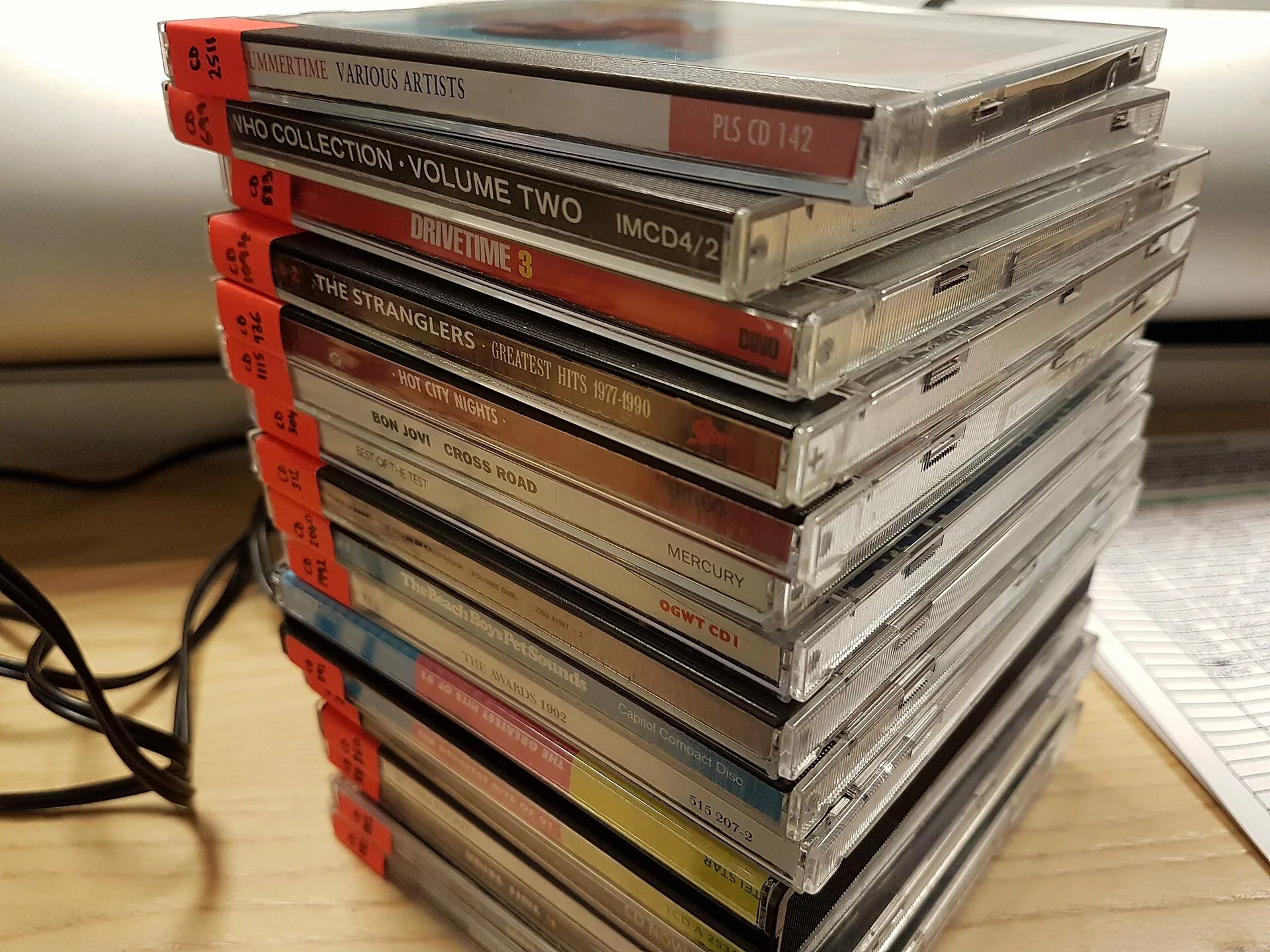
Opening statement
In February 2001, Napster was the most exciting address on the internet: more than twenty-six million verified users, swapping songs from each other's computers, for free. Five months later the network was dark — shut down not by a rival, and not by the market, but by a court order. No brand in this series died faster, or younger. Napster was two years old. What the lawsuits killed, though, was only the service. The name refused to die with it. It was bought out of a bankruptcy auction for 5.3 million dollars and then, twenty-three years later, bought again for 207 million dollars — by owners who wanted the recognition, not the thing itself. In January 2026 the last streaming service carrying the name was switched off, and Napster pivoted to artificial-intelligence music. This account is drawn from the record: the court file, the sale announcements, and contemporary reporting. One distinction is kept throughout, because everything after 2001 depends on it: Napster the service is dead. Napster the name is an asset that keeps changing hands.
A structured case history
Reading section 01
Watch: Dead Brands No. 5, the short — "What Happened to Napster?"
Reading section 02
The Rise of Napster
Napster launched on 1 June 1999, created by Shawn Fanning, a college freshman at Northeastern University, and his friend Sean Parker. The design was simple and radical at once: Napster kept a central index of who had what, and strangers then pulled music files directly from each other's computers. No warehouse, no stock, no charge. If a song existed on one user's hard drive, it existed for everyone.
If you were in a dorm room then, you remember how it felt. Dial-up humming, downloads crawling overnight, songs burned onto blank CDs the next morning. For the first time, every record store on Earth fit inside one search box. The record industry was still selling music the way it always had — one album at a time, at album prices — and Napster demonstrated, in months, that what listeners actually wanted was single songs, instantly, on a computer.
Visual interlude

Reading section 03
The Peak
The peak, when it came, was measured two ways, and the episode's record keeps them separate. Verified use peaked at 26.4 million users worldwide in February 2001. Estimates of registered accounts ran far higher — near 80 million — though that second figure was never an audited count, and it is given here as an estimate, the way the sources give it.
It is worth pausing on the strangeness of that month. At the moment of its greatest success, Napster was a service with no lawful way to exist: its entire catalogue belonged to other people, its price was zero, and the lawsuits that would kill it were already fourteen months old. The peak and the death sentence were the same event, read from two sides.
Either way, the meaning of the peak was the same: tens of millions of people had reorganized their listening around a free service that had existed for twenty months. But the peak had no lawful foundation. Every song moving across the network was somebody else's property, and Napster charged nothing for moving it. The turn was not an accident that befell the company later. It was built in from the start.
Visual interlude
Reading section 04
The Fall of Napster
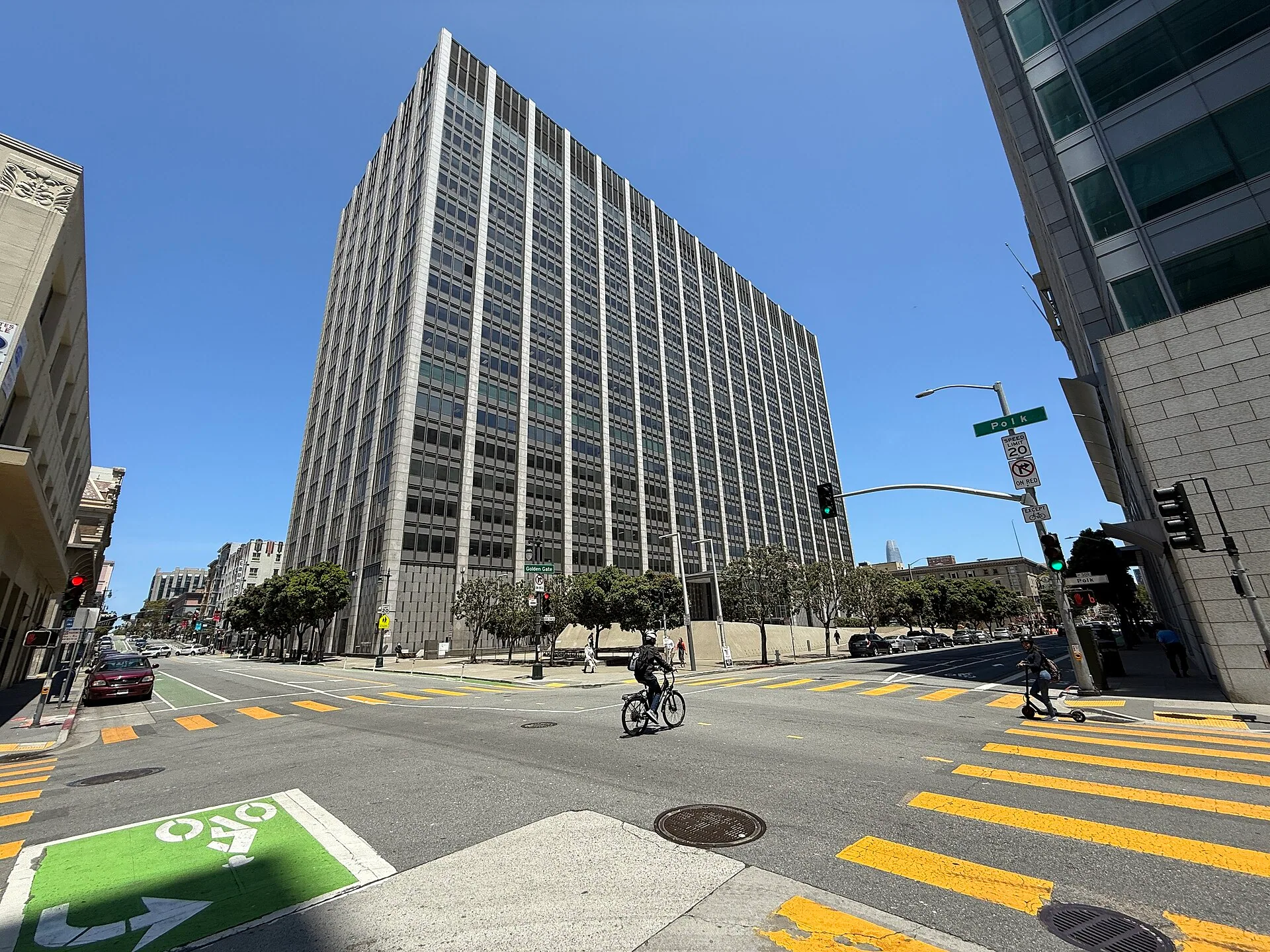
In December 1999, barely six months after launch, the record companies moved. On 6 December, A&M Records and other labels, acting through the Recording Industry Association of America, sued Napster for contributory and vicarious copyright infringement — the case of A&M Records, Inc. v. Napster, Inc. In April 2000, Metallica sued too, after an unreleased demo, "I Disappear," began circulating on the service.
In February 2001, the Ninth Circuit found Napster likely liable. On 5 March 2001, Judge Marilyn Hall Patel issued a revised injunction ordering Napster to block copyrighted songs from its network. Napster tried to filter the songs the court had named, and the court rejected its claims of compliance. On 11 July 2001, it shut its entire network down. The service never restarted. A settlement of 26 million dollars for past use followed in September 2001, but the free service — the thing that had drawn the millions — was not part of any bargain that could bring it back.
STAT CARD 26.4 million users → 0 Napster's verified users in February 2001 — and what the network had five months later, when the courts shut it down.
What remained was a company with a famous name and no product. On 3 June 2002, Napster filed for Chapter 11 bankruptcy protection. An agreed sale of its assets to Bertelsmann, for 85 million dollars, was blocked by a bankruptcy judge that September, and the assets were liquidated instead.
Reading section 05
The Afterlife
The name's second life began at the bankruptcy auction. In November 2002, Roxio bought Napster's brand and logos for 5.3 million dollars, and relaunched the name on a legal, paid subscription service — Napster as a shop, not a commons. Nothing about it resembled 1999 except the word on the door.
From there, the name became a tradable asset, passed hand to hand. Best Buy bought it for 121 million dollars in September 2008. Rhapsody took it in December 2011, and in 2016 renamed itself Napster outright. MelodyVR bought it in 2020, for 70 million dollars; Hivemind and Algorand followed in 2022. Each buyer was purchasing the same thing: recognition. Not the service, which had been dead for years — the memory of it.
In March 2025, the name changed hands again, at a price that said everything about what it had become: on 25 March, Infinite Reality announced it would acquire Napster for 207 million dollars. The afterlife was not calm even then. In August 2025, Sony Music sued over a reported nine million dollars in unpaid royalties, and its catalogue was pulled. And around 1 January 2026, subscribers were cut off mid-playback and met with a notice: "Napster is no longer a music streaming service." The brand had pivoted to AI music creation. The streaming service — the legal, licensed descendant that had carried the name for two decades — was over.
Visual interlude

Reading section 06
The Verdict
So is Napster dead? The service: yes, since July 2001, and it is not coming back — everything since has been a different business wearing the name. What killed it was not a better competitor and not a failed product. The product worked so well that it reorganized music in twenty months. It was killed by the fact at its center: the music belonged to other people, and sooner or later the owners of the music were always going to arrive with lawyers.
The strange part is the arithmetic of the afterlife. Napster the company never collected on the revolution it started — legal streaming followed the map Napster drew, and other companies built the empires on it. But two years of free music bought the name a quarter-century of recognition, and recognition turned out to be the one asset the courts could not shut down. The service died at two years old. The name just kept getting sold.
Visual interlude

Reading section 07
Timeline
Visual interlude
Reading section 08
Sources & image credits
Sources. Launch and founders — Parade (March 2026, 25th-anniversary retrospective) and Wikipedia founding credit (Shawn Fanning and Sean Parker, 1 June 1999). User figures — Wikipedia, citing audience measurement (verified use peaked at 26.4 million users worldwide in February 2001; the near-80-million registered figure is an unofficial estimate, attributed as such). The lawsuits — A&M Records, Inc. v. Napster, Inc., 114 F. Supp. 2d 896 (N.D. Cal.), filed 6 December 1999; Metallica v. Napster, Inc., filed 13 April 2000 (case record and contemporaneous reporting). The end of the service — Ninth Circuit ruling (February 2001); Judge Marilyn Hall Patel's revised injunction (5 March 2001); network shutdown (11 July 2001); Chapter 11 filing (3 June 2002) and the blocked Bertelsmann asset sale (court record and contemporaneous reporting). The name's sales — Roxio's bankruptcy-auction purchase (November 2002); Best Buy (September 2008) and Rhapsody (December 2011; renamed Napster 2016) — Wikipedia reiterations history and RAIN News brand history; MelodyVR (2020) and Hivemind/Algorand (2022) per the episode's production record. The 2025 acquisition — Infinite Reality announcement via GlobeNewswire (25 March 2025), corroborated by the Associated Press and Variety. The Sony Music suit — reported August 2025 (a reported nine million dollars in unpaid royalties). The streaming shutdown and AI pivot — Digital Music News (2 January 2026), corroborated by Parade, Gizmodo and American Songwriter.
Image credits (all via Wikimedia Commons; licenses as logged at download, November 2026):
Dates. Published: 2026-11-09 · Last verified: 2026-11-08 · Updated: 2026-11-09
Author: Ronin Naodhinsuk
Napster, Metallica, Sony Music, and all other brand names and logos mentioned in this article are trademarks of their respective owners. The Record Institute is an independent archive and is not affiliated with, endorsed by, or connected with Napster, Infinite Reality, or any successor owner of the brand.
Next episode → No. 6: What Happened to Atari?
Related Articles
- Borders — What Happened to Borders?
- Tower Records — What Happened to Tower Records?
- Compaq — What Happened to Compaq?