Dead Brand Stories / Polaroid
What Happened to Polaroid?
The company that put a photograph in your hand in about a minute went bankrupt twice and stopped making its own film — and was saved by fans who bought the machines in its last factory.
Opening statement
You remember the ritual. The camera whirred, out slid a gray square, and everyone crowded around while a birthday appeared. No lab. No waiting. For half a century that small ceremony belonged to one company, and it was enormous: by 1977 Polaroid had made more than fifteen billion prints; in 1978 it employed twenty-one thousand people; in 1991 it took in three billion dollars. Then it went bankrupt — twice — and stopped making the film it had invented. What killed it was not a better camera. Digital cameras and phones learned to do the one thing Polaroid did — a picture, instantly — without film at all, and the film was where the money was. Carrying heavy debt, the original company filed for bankruptcy in 2001; a successor company filed again in 2008, the year instant film production ended and the last factory faced closure. The story should end there. It does not, because the people who loved the product refused to let it: fans bought the machines in that last factory, rebuilt the film from scratch, and in time took the name itself. This account is drawn from the record: the Harvard Business School's Polaroid timeline, the bankruptcy court file, and contemporary reporting. Where the record compresses two legally distinct companies into one brand's story — the two bankruptcies — the article keeps the distinction explicit.
A structured case history
Reading section 01
Watch: Dead Brands No. 7, the short — "What Happened to Polaroid?"
Reading section 02
The Rise of Polaroid
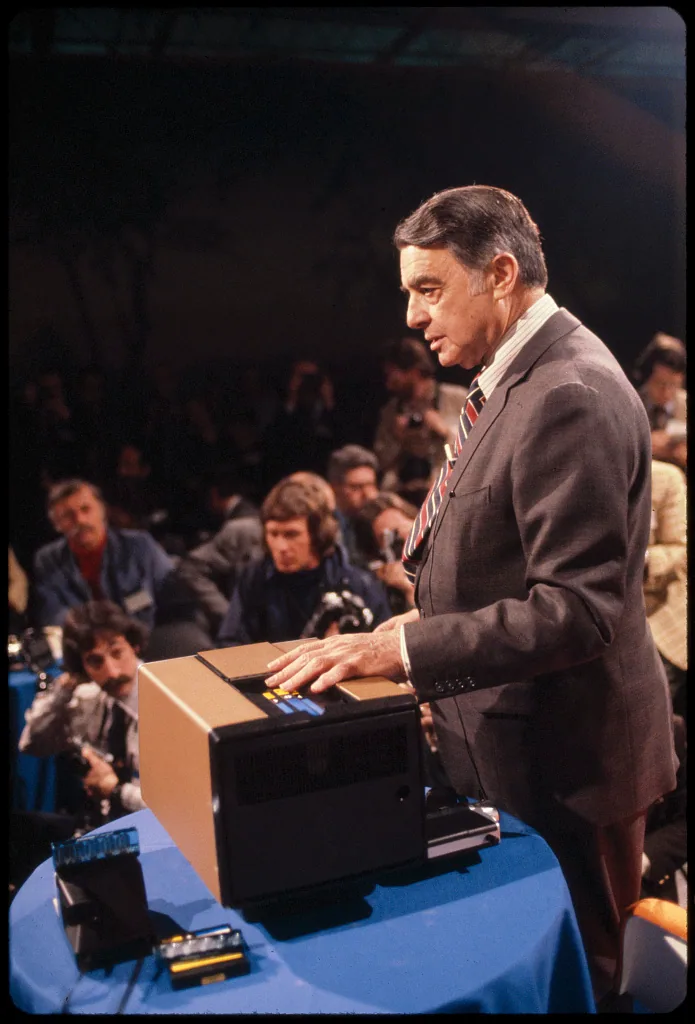
Polaroid began as a company that made light itself behave. In 1937, in Cambridge, Massachusetts, Edwin H. Land and George W. Wheelwright III founded the Polaroid Corporation to exploit Land's polarizing polymer — the sheet material that tamed glare. Photography was not the business yet. It became the business, by Land's own oft-retold account, on a 1943 holiday, when his young daughter Jennifer asked why she could not see a photograph right away. Land said the answer assembled itself in his mind within the hour.
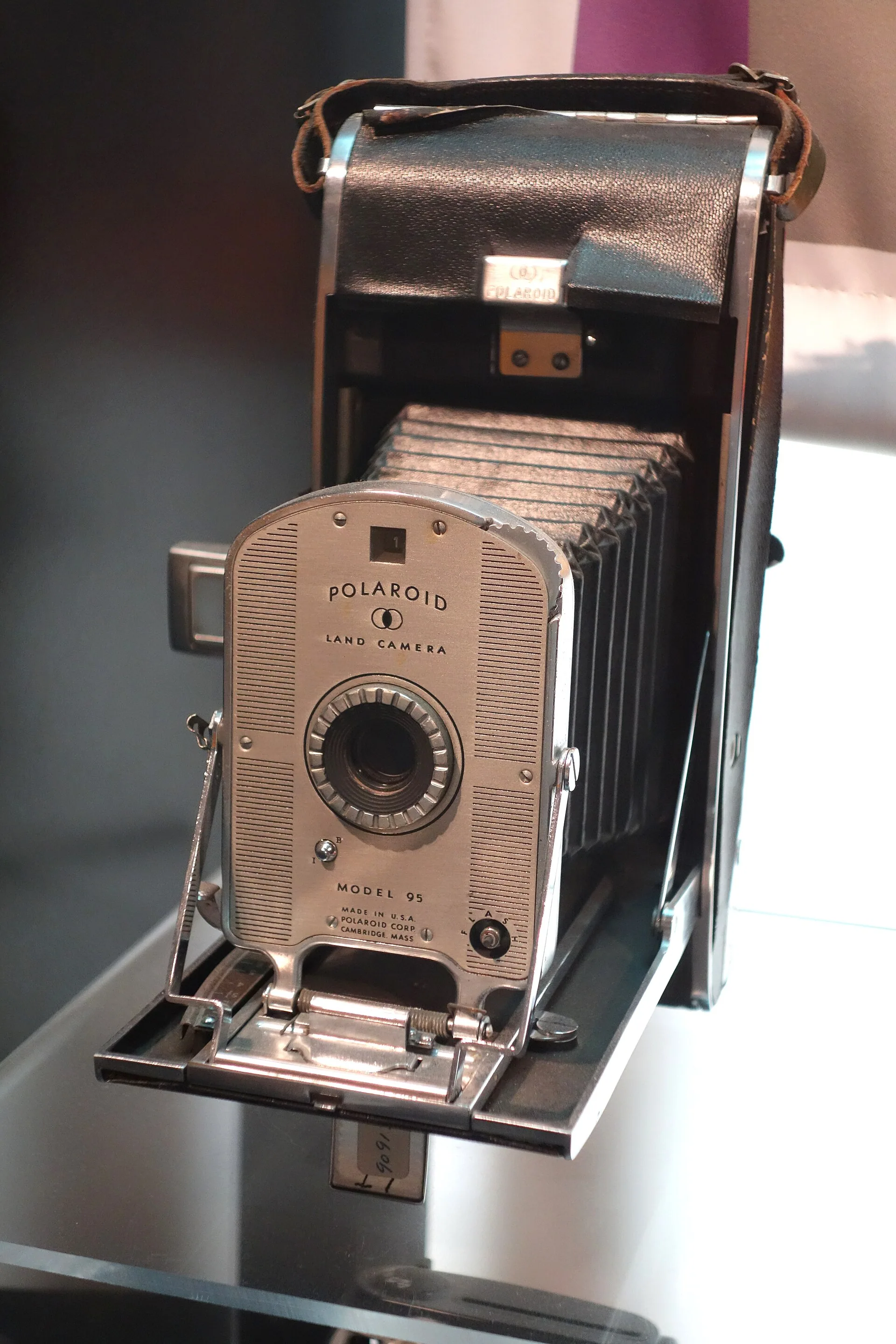
On 21 February 1947, Land demonstrated one-step photography to the Optical Society of America. On 26 November 1948, the Land Camera Model 95 went on sale at the Jordan Marsh department store in Boston: a folding camera that delivered a finished sepia print in about a minute. Nothing in photography had ever worked that way — the darkroom had been folded into the film itself. The camera carried the founder's name, and for decades the products did too: these were Land Cameras, and the company behind them was becoming a household word.
Visual interlude
Reading section 03
The Peak
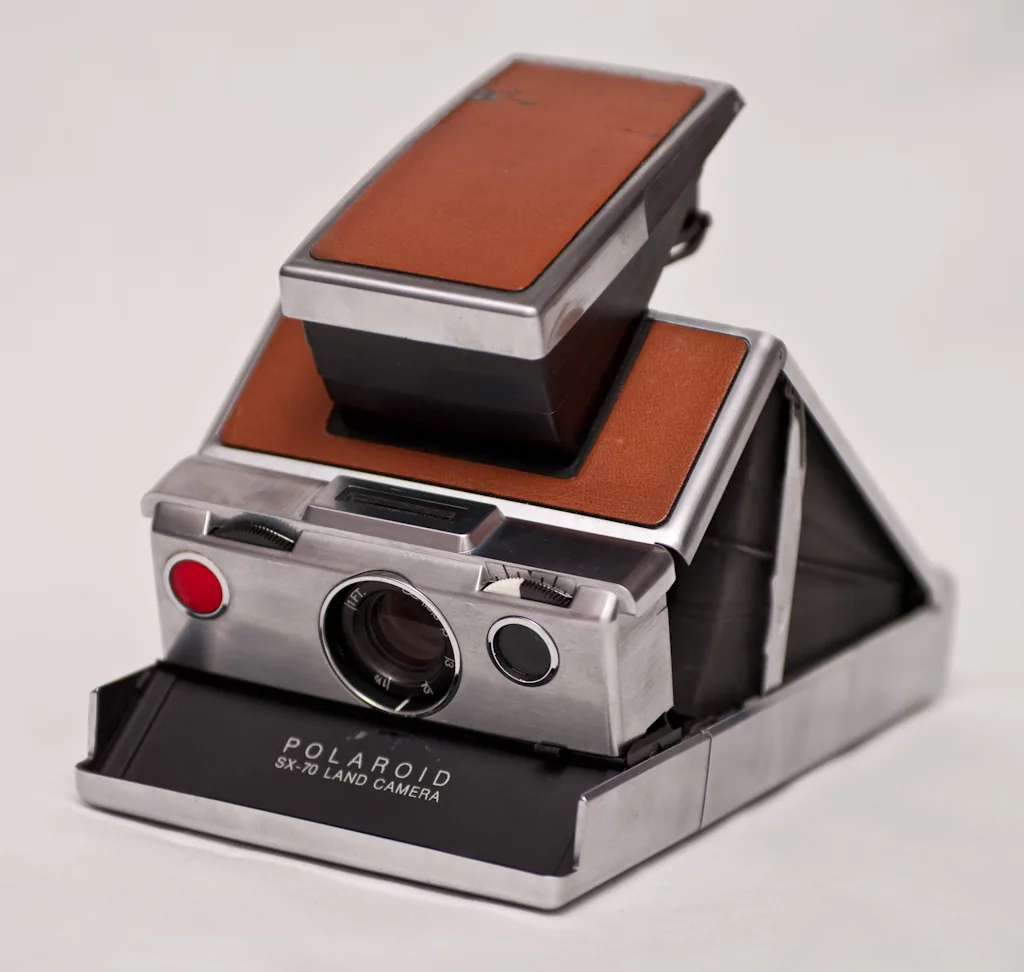
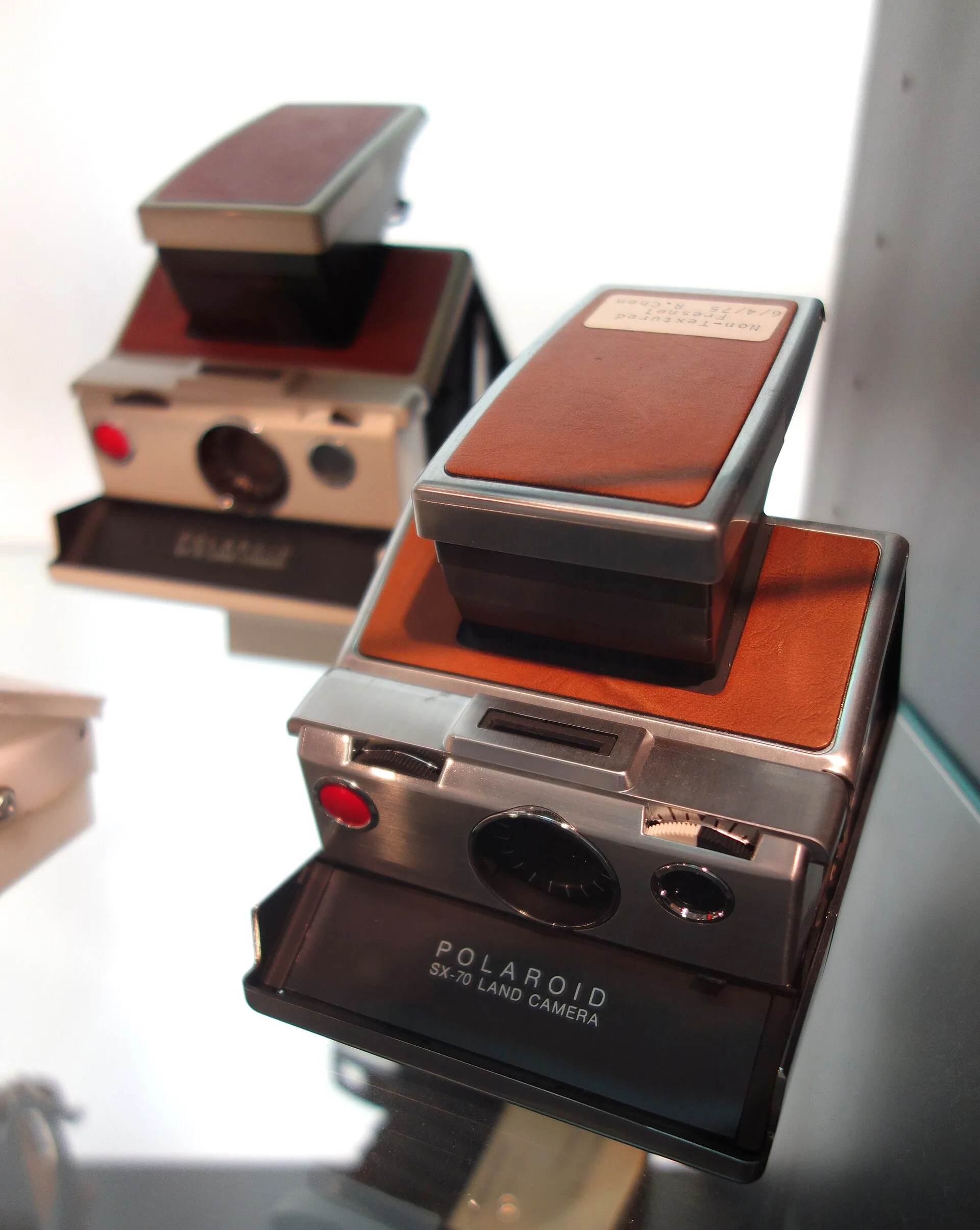
The empire of instant was built in layers. Polacolor pack film brought color in 1963. The Swinger, sold for nineteen dollars and ninety-five cents, became one of the best-selling cameras of its era. And in 1972 came the masterpiece: the SX-70, a folding camera that ejected an integral print which developed itself in daylight, in your hand — no peeling, no timing, no waste. By 1977, Polaroid prints numbered more than fifteen billion since 1948. Peak employment came in 1978: twenty-one thousand people.
The strangest part of the peak is when it ended. Revenue reached its height — three billion dollars — in 1991, a full decade after Land's 1981 departure, in a company that still looked, on paper, like a giant. But its reason to exist was already being eaten: first by one-hour photo labs, which made waiting an hour feel like nothing, and then by digital cameras, which made the picture instant and the film unnecessary. Polaroid's miracle had been the removal of waiting. The new technology removed the product.
Visual interlude
Reading section 04
The Fall of Polaroid
As digital photography and digital photo printing became affordable, demand for instant film plummeted. Polaroid's business had never really been cameras; it was the film every camera kept consuming — and the consumption stopped. Carrying heavy debt, the original Polaroid Corporation filed for Chapter 11 bankruptcy protection in October 2001, reportedly listing 1.81 billion dollars in assets and about nine hundred and forty-eight million dollars in debt. One Equity Partners bought the assets out of bankruptcy in 2002, paying about two hundred and fifty-five million dollars for a sixty-five percent stake; in 2005 the company was acquired again, by Petters Group Worldwide, in a transaction of about four hundred and twenty-six million dollars. The name kept being bought. The business underneath it kept shrinking.
STAT CARD Three billion dollars in revenue (1991) → two bankruptcies (2001, 2008) Polaroid's peak year, and the two Chapter 11 filings — by two legally distinct companies — that followed within seventeen years.
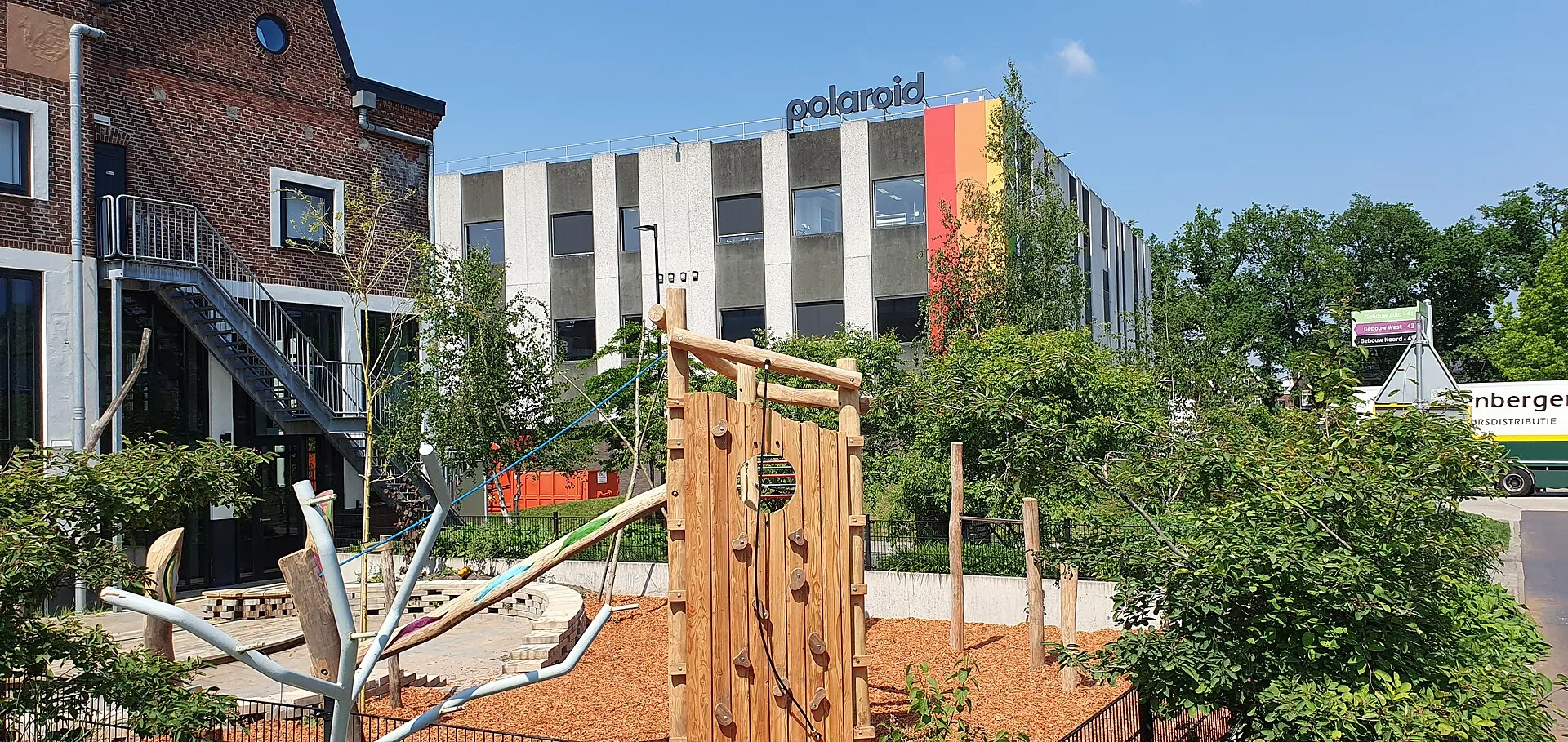
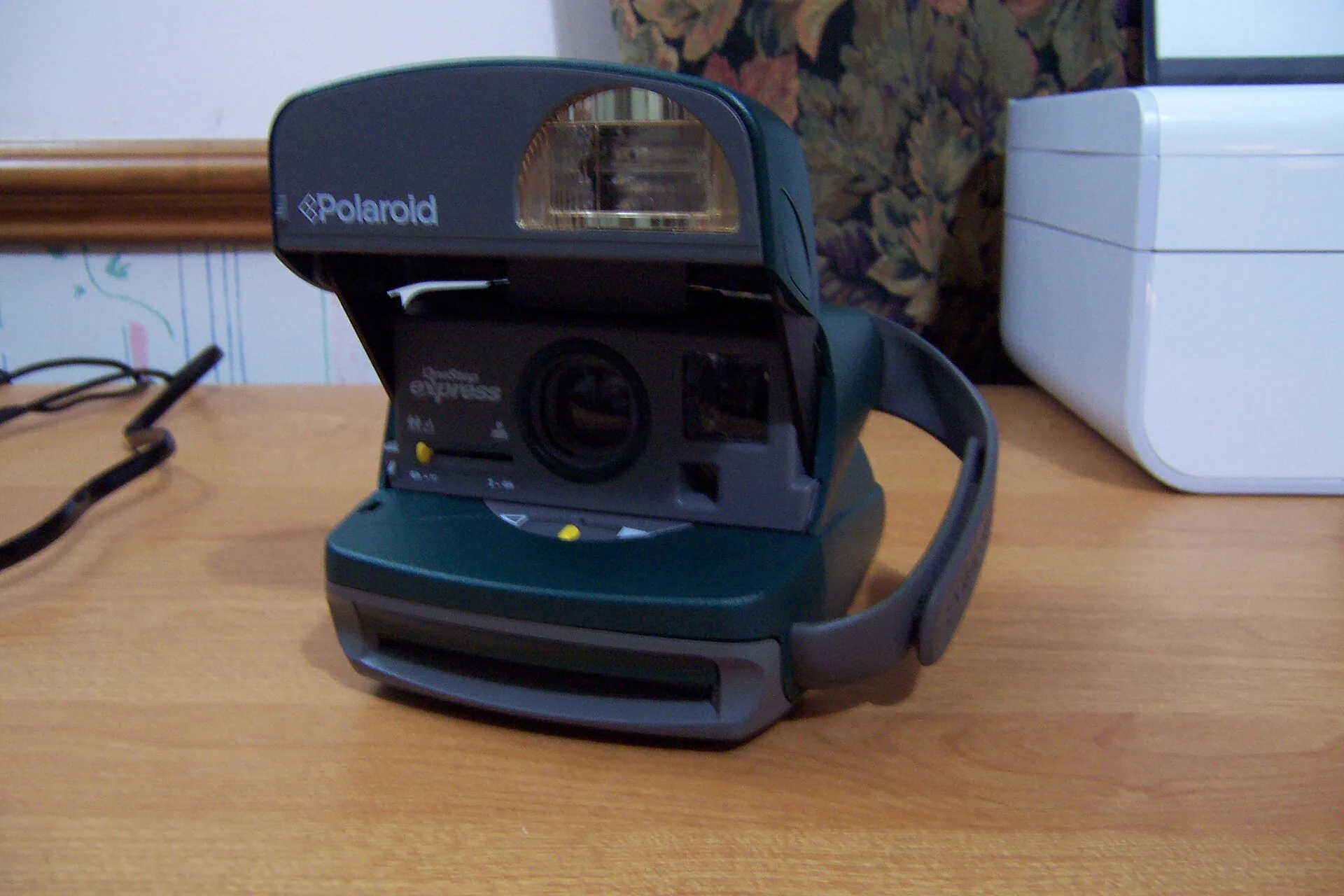
The end of the product came in two steps: Polaroid stopped making instant cameras in 2007, and in February 2008 it announced the end of instant film. That December, on 18 December 2008, the successor Polaroid company filed for Chapter 11 in Minnesota — the brand's second bankruptcy in seven years. And in Enschede, in the Netherlands, Polaroid's last instant-film factory — the only place on Earth still making the film — faced closure. When it went dark, instant photography would not be wounded. It would be extinct.
Visual interlude
Reading section 05
The Afterlife
What happened next had no precedent in the series this article belongs to: the customers intervened. In 2008, three fans and enthusiasts — Florian Kaps, André Bosman and Marwan Saba — founded the Impossible Project to keep instant film alive. In October 2008 the project bought Polaroid's remaining production machinery for three million one hundred thousand dollars and leased the north building of the Enschede plant. Note what it did not get: the original film formulas were not part of the deal. The chemistry had to be re-engineered from scratch, and it took two years of experimentation before, on 22 March 2010, the first new films — PX100 and PX600 — went on sale, made at Enschede. More than five hundred thousand packs sold in the first year.
Then the name came home. In May 2017, Wiaczesław Smołokowski — already the Impossible Project's largest shareholder — acquired PLR IP Holdings, the holder of the Polaroid brand and intellectual property. That September the company rebranded as Polaroid Originals, and in March 2020 it shortened its name to, simply, Polaroid. The company that trades under the name today, Polaroid B.V., is the Impossible Project's successor: it manufactures SX-70, 600, i-Type and Go film, and new instant cameras. The fans did not just save the film. They ended up owning the word on the box.
Visual interlude
Reading section 06
The Verdict
So what actually killed Polaroid? A technology that made its miracle ordinary. Polaroid sold the removal of waiting, and charged for it in film, forever; digital photography removed the waiting for free. Debt decided the timing, and two bankruptcies — the original company's in 2001, its successor's in 2008 — wrote the ending of the corporation Edwin Land founded. That company is gone, and no revival brings it back.
But the verdict has a second half, and it is the reason this episode is filed as a revival rather than a death. The product outlived its maker because the people who used it treated it as theirs: they bought the machines, leased the factory, reinvented the chemistry, and finally bought the name. The original Polaroid is dead. Instant film — the thing itself — survived, because its fans refused to let the last factory go dark.
Visual interlude
Reading section 07
Timeline
Visual interlude
Reading section 08
Sources & image credits
Sources. Founding, Land Camera launch, print totals — Harvard Business School Baker Library, "A Polaroid Timeline" (1937 founding; Model 95 release, 26 November 1948; "Over 15 billion Polaroid prints produced since 1948," 1977). Peak employment (21,000 in 1978) and peak revenue (three billion dollars in 1991) — Polaroid Corporation record. The digital turn — The Magazine, "Instant Memories" (demand for Polaroid film plummeted as digital photography and printing became affordable). The 2001 bankruptcy — Middle Market Growth (April 2017): Chapter 11 filed October 2001, reportedly listing 1.81 billion dollars in assets and 948.4 million dollars in debt; One Equity Partners' 2002 purchase of the assets (about 255 million dollars for a 65 percent stake). The end of film — Fast Company (instant cameras stopped in 2007; film in 2008); announcement of 8 February 2008. The second bankruptcy — U.S. Bankruptcy Court, District of Minnesota, In re Polaroid Corp., No. 08-46617, filed 18 December 2008, via the Weil restructuring filing summary. The Enschede plant as Polaroid's last instant-film factory — Technologist.eu and the Polaroid B.V. record. The Impossible Project — Polaroid B.V. record (founders Florian Kaps, André Bosman and Marwan Saba; October 2008 machinery purchase, three million one hundred thousand dollars, and lease of the plant's north building; first films PX100 / PX600 released 22 March 2010; PLR IP Holdings acquired May 2017; Polaroid Originals September 2017; renamed Polaroid March 2020); National Science and Media Museum, "Fighting electronic waste: How Polaroid made it into the 21st century" (the original formulas were not acquired; the film was re-engineered over two years). The 1947 demonstration, Polacolor (1963), the Swinger, the SX-70 (1972), Land's 1981 departure, the 2005 Petters Group acquisition and first-year pack sales — the episode pack's long-form outline, drawn from the same records.
Image credits (all via Wikimedia Commons; licenses as logged in the episode package, November 2026):
Dates. Published: 2026-11-09 · Last verified: 2026-11-08 · Updated: 2026-11-09
Author: Ronin Naodhinsuk
Polaroid, Impossible Project, and all other brand names and logos mentioned in this article are trademarks of their respective owners. The Record Institute is an independent archive and is not affiliated with, endorsed by, or connected with Polaroid B.V., PLR IP Holdings, or any successor owner of the brand.
Next episode → No. 8: What Happened to Pontiac?
Related Articles
- Borders — What Happened to Borders?
- Tower Records — What Happened to Tower Records?
- Compaq — What Happened to Compaq?