Dead Brand Stories / Pontiac
What Happened to Pontiac?
In 1968 Pontiac built nearly a million cars and stood third in America — and forty years later its own parent company ended it, not because the fans had gone, but because General Motors needed to shrink to survive.
Opening statement
There is a number that should have saved Pontiac: 910,977. That is how many cars the brand built in 1968 — seventeen percent of all General Motors sales in America that year, good for third place in the entire industry, behind only Chevrolet and Ford. The company that owned it killed it anyway. Pontiac was not beaten by a rival, and it did not run out of customers. In 2008, its last full year, it still sold about 267,000 vehicles. It died because its parent ran out of money: in the spring of 2009, General Motors — weeks from its own bankruptcy — cut the brand as part of the price of its own survival. This account is drawn from the record: General Motors' own announcements and sales figures, the contemporary reporting of 2009, and the brand's documented history. It runs from a companion marque that outgrew its parent, through the GTO and the Trans Am, to a white sedan built with no ceremony in November 2009 — and then it stops, because unlike most dead brands, nothing came back.
A structured case history
Reading section 01
Watch: Dead Brands No. 8, the short — "What Happened to Pontiac?"
Reading section 02
The Rise of Pontiac
Pontiac arrived in 1926 as the cheaper companion marque to Oakland, one of General Motors' existing brands. The companion promptly outgrew the parent: Oakland was gone by the early 1930s, and the junior brand stood on its own.
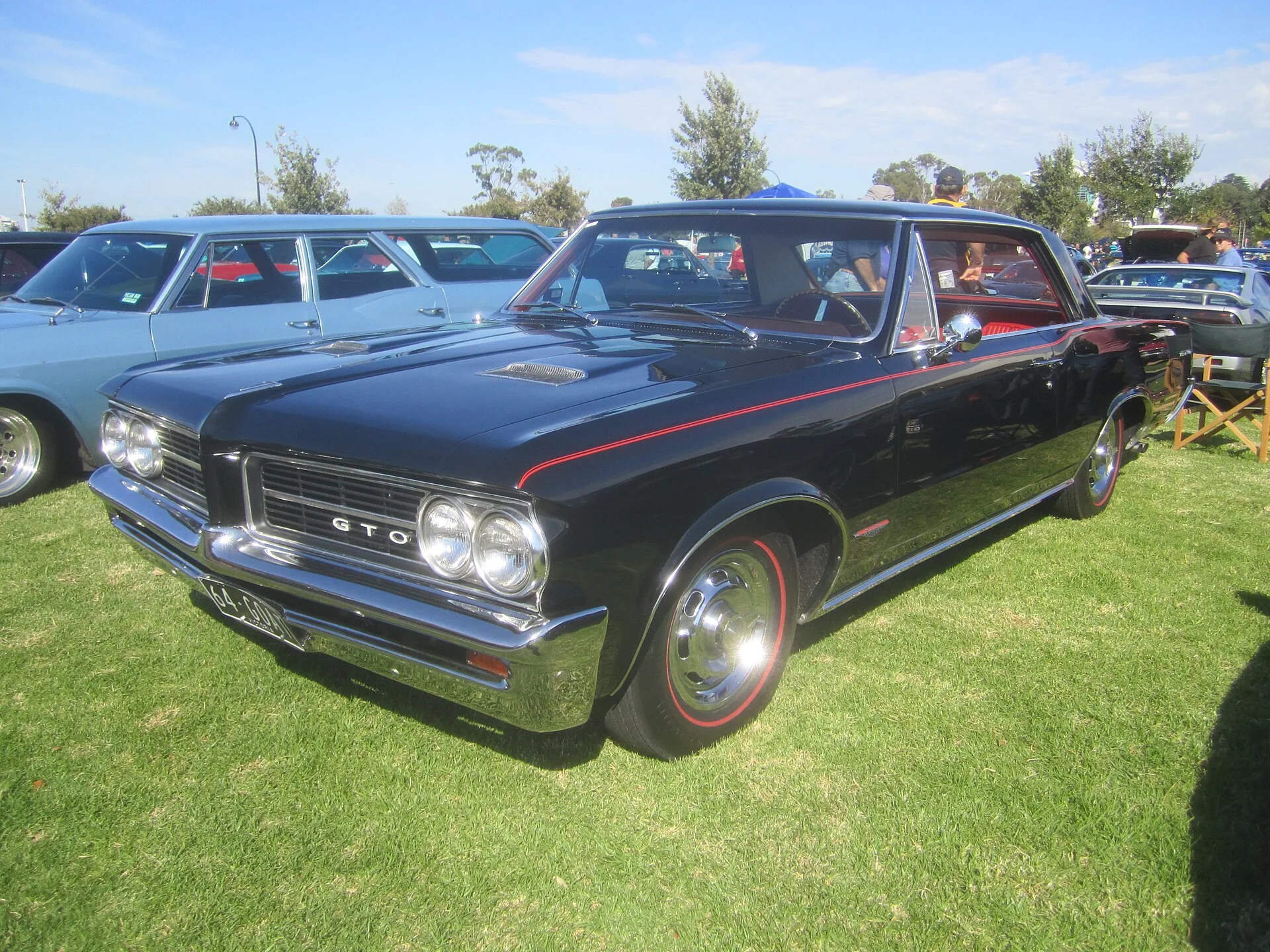
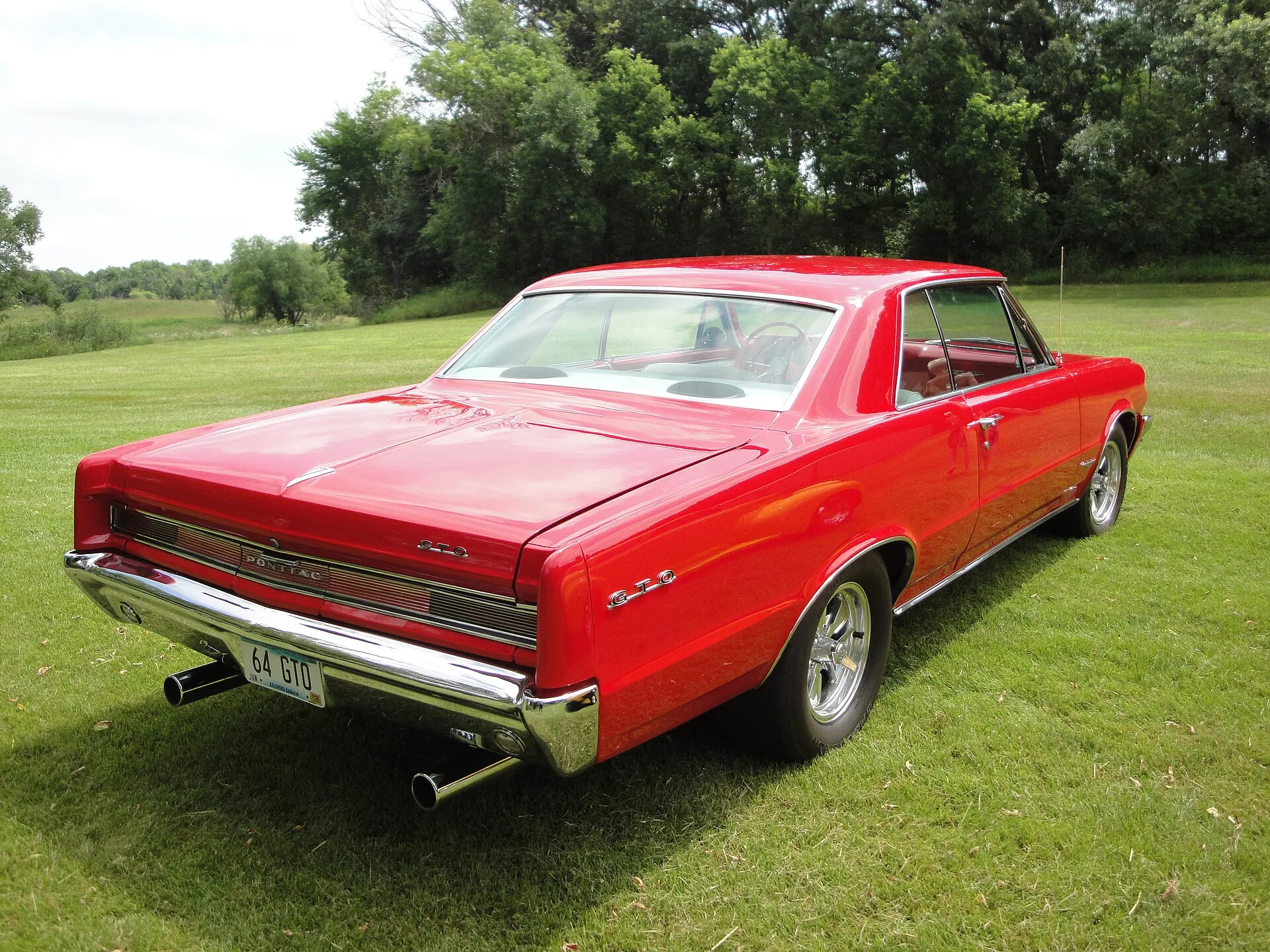
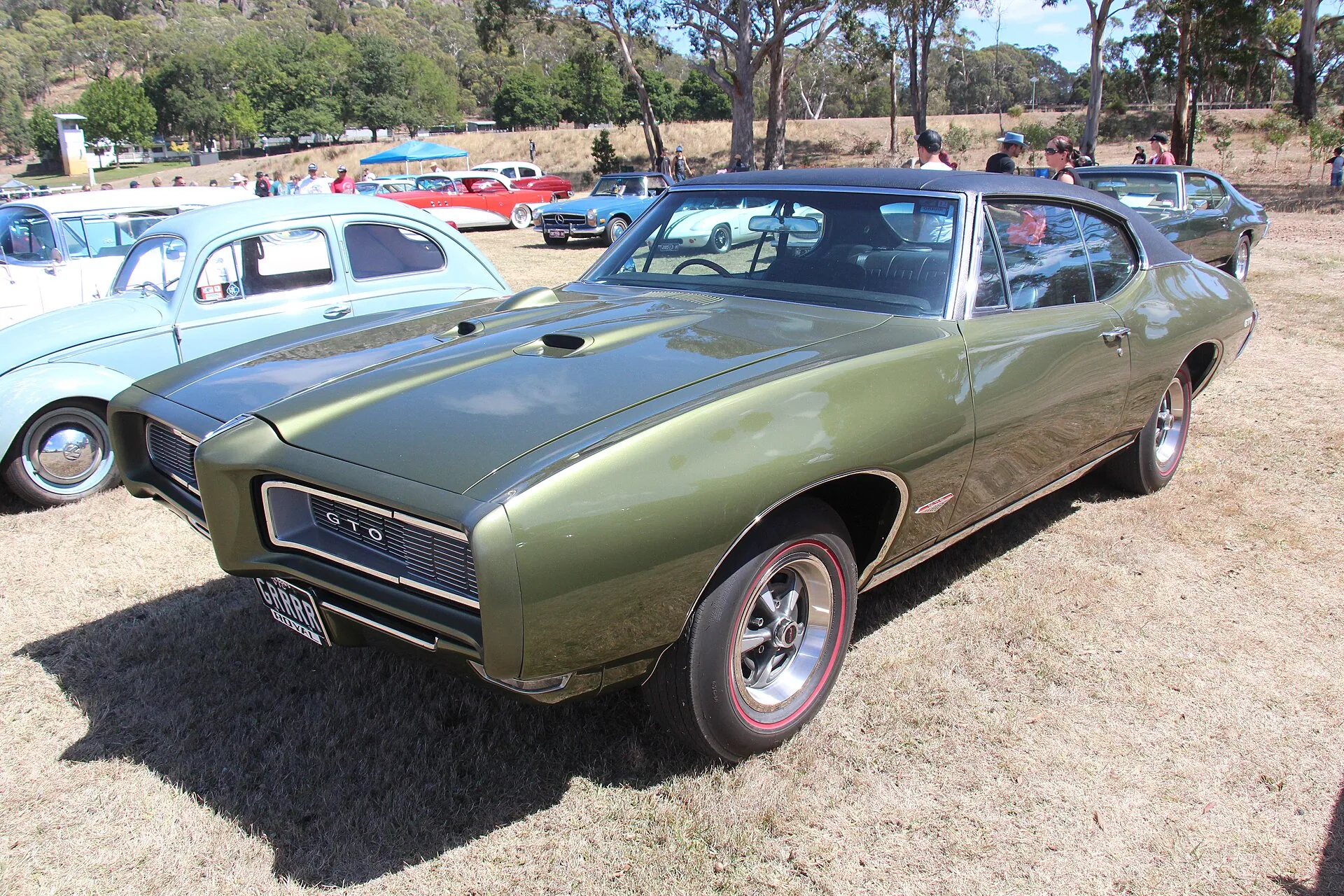
The reinvention came in the late 1950s and 1960s, when Pontiac remade itself around performance — the Wide-Track era, and then, in 1964, the GTO. The GTO began as an option package on the Tempest LeMans, built around a 389-cubic-inch V8, and it is widely credited as the first muscle car.
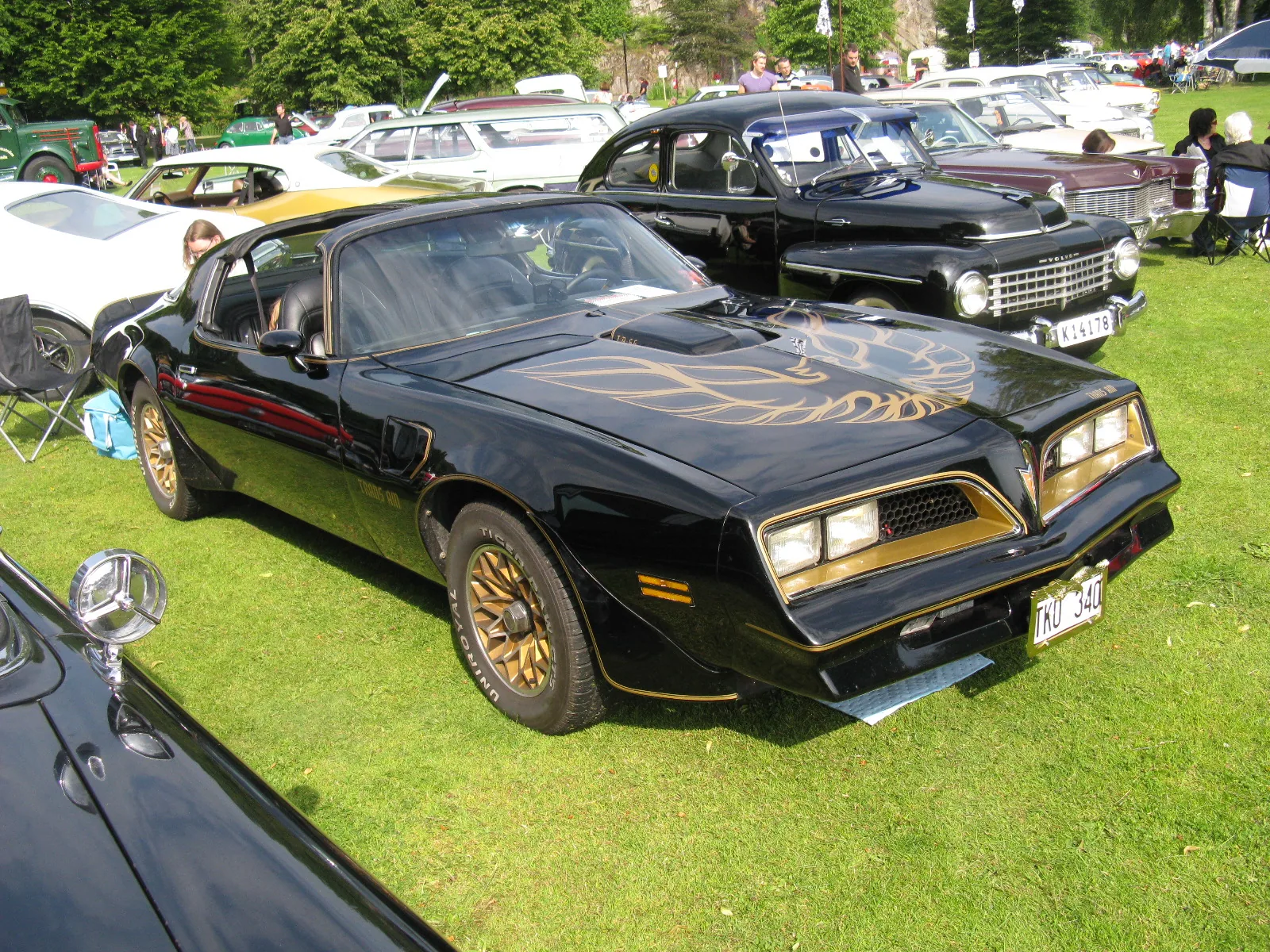
In 1967 came the Firebird, and its Trans Am version carried the image into the 1970s — helped by the movie screens, most famously in Smokey and the Bandit (1977), where a black Trans Am became one of the most famous cars in America. Firebird production ran from 1967 to 2002. A Pontiac in the driveway meant speed over sensible. The range kept its nerve into the seventies: the Grand Am, launched in the fall of 1972 as a 1973 model, took its very name from the Grand Prix and the Trans Am, and sold 43,136 in its first year.
Visual interlude
Reading section 03
The Peak
The high-water mark was 1968. Pontiac built 910,977 cars that year, and those cars amounted to seventeen percent of the 5.4 million cars and trucks General Motors sold in the United States — roughly one in every six vehicles GM sold in America wore a Pontiac badge. Industry-wide, Pontiac ranked third, behind only Chevrolet and Ford — a performance brand selling at the volume of the industry's giants. And it was no one-year spike: through most of the 1960s, Pontiac held that third place year after year. The cars were the advertising — a generation learned the brand from movie screens and driveways, not brochures.
Visual interlude
Reading section 04
The Fall of Pontiac
The turn came slowly. Through the eighties and nineties, critics said, too many Pontiacs became rebadged Chevrolets — the same cars as the division next door, wearing a different badge — and the era's slogan, "We Build Excitement," promised more than the cars delivered. Badge engineering is a bloodless phrase for a visible decay: the excitement had become a grille, a badge and a decal package on somebody else's car, and buyers could see it. The performance brand that had once bent its parent's rules to build the GTO now sold what head office gave it.
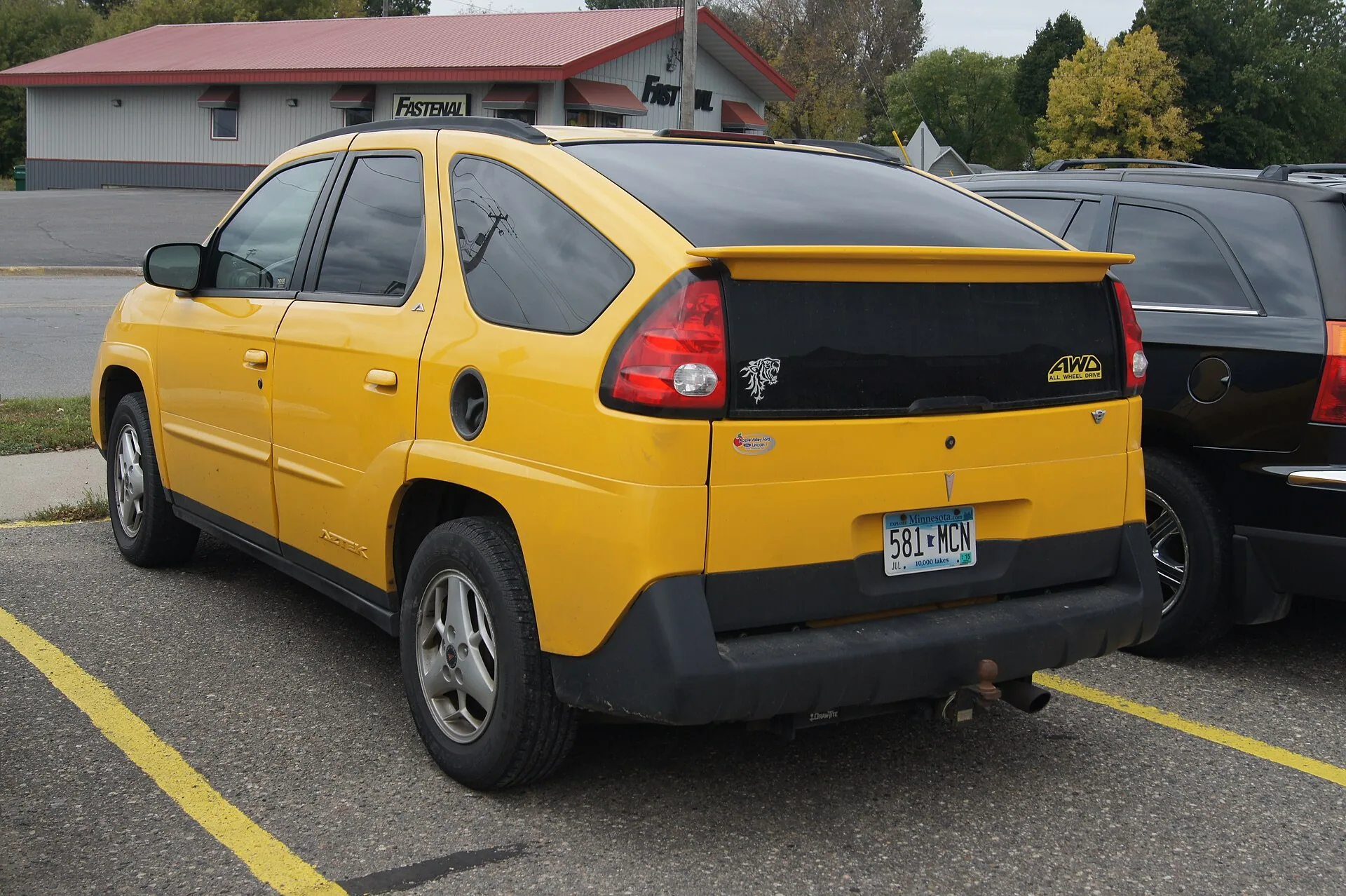
Then came the Aztek. Launched for 2001, the crossover was forecast to sell up to 75,000 a year, and General Motors needed 30,000 a year just to break even. It sold 27,322 in its first year. Production ended after the 2005 model year, and the Aztek's styling made it a standing joke — Time later listed it among the worst cars.
By 2008 the numbers had collapsed. Pontiac sold about 267,000 vehicles that year — less than a third of what it had sold in 1968. And above Pontiac, the parent itself was failing: by 2009 General Motors depended on federal support, and had been ordered to produce a plan for a smaller, viable company.
STAT CARD 910,977 cars built in 1968 → 0 built today Pontiac's 1968 production — seventeen percent of GM's U.S. sales that year — against the brand's output since its dealer agreements ended on 31 October 2010.
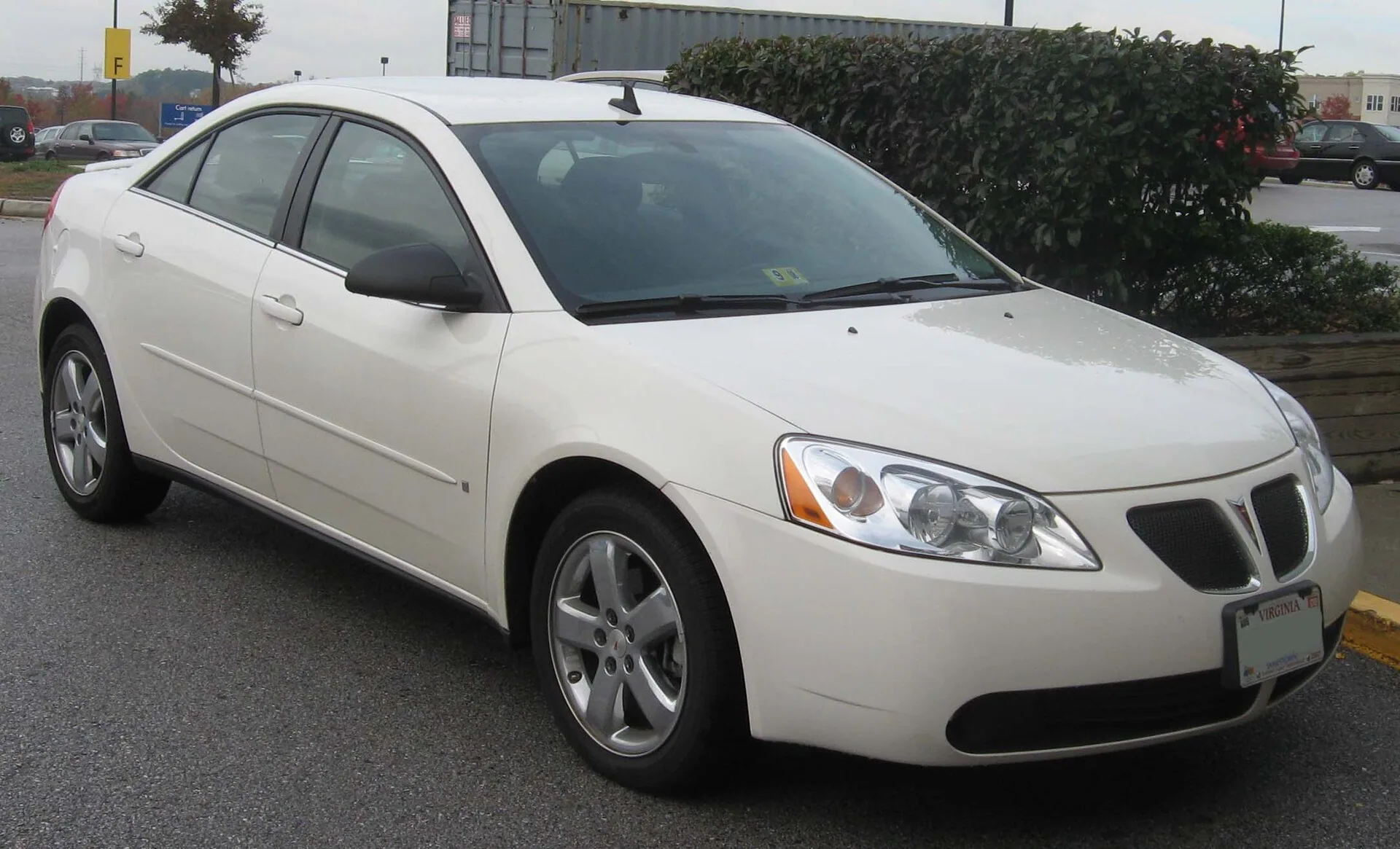
On 27 April 2009, General Motors announced that Pontiac would be phased out by the end of 2010, and that the company would focus on Chevrolet, Buick, Cadillac and GMC in North America. Five weeks later, on 1 June 2009, GM itself filed for Chapter 11 bankruptcy protection. The last United States-market Pontiac — a white G6 sedan — rolled off the assembly line at Orion Township on 25 November 2009, around 12:45 in the afternoon, with no ceremony; the final cars were sold as a fleet order. A Canadian-market model, the G3 Wave, followed in December 2009 — the last Pontiac-badged vehicle of all. On 31 October 2010, GM's agreements with Pontiac dealers expired, and after eighty-four years the brand was formally over.
Visual interlude
Reading section 05
The Afterlife
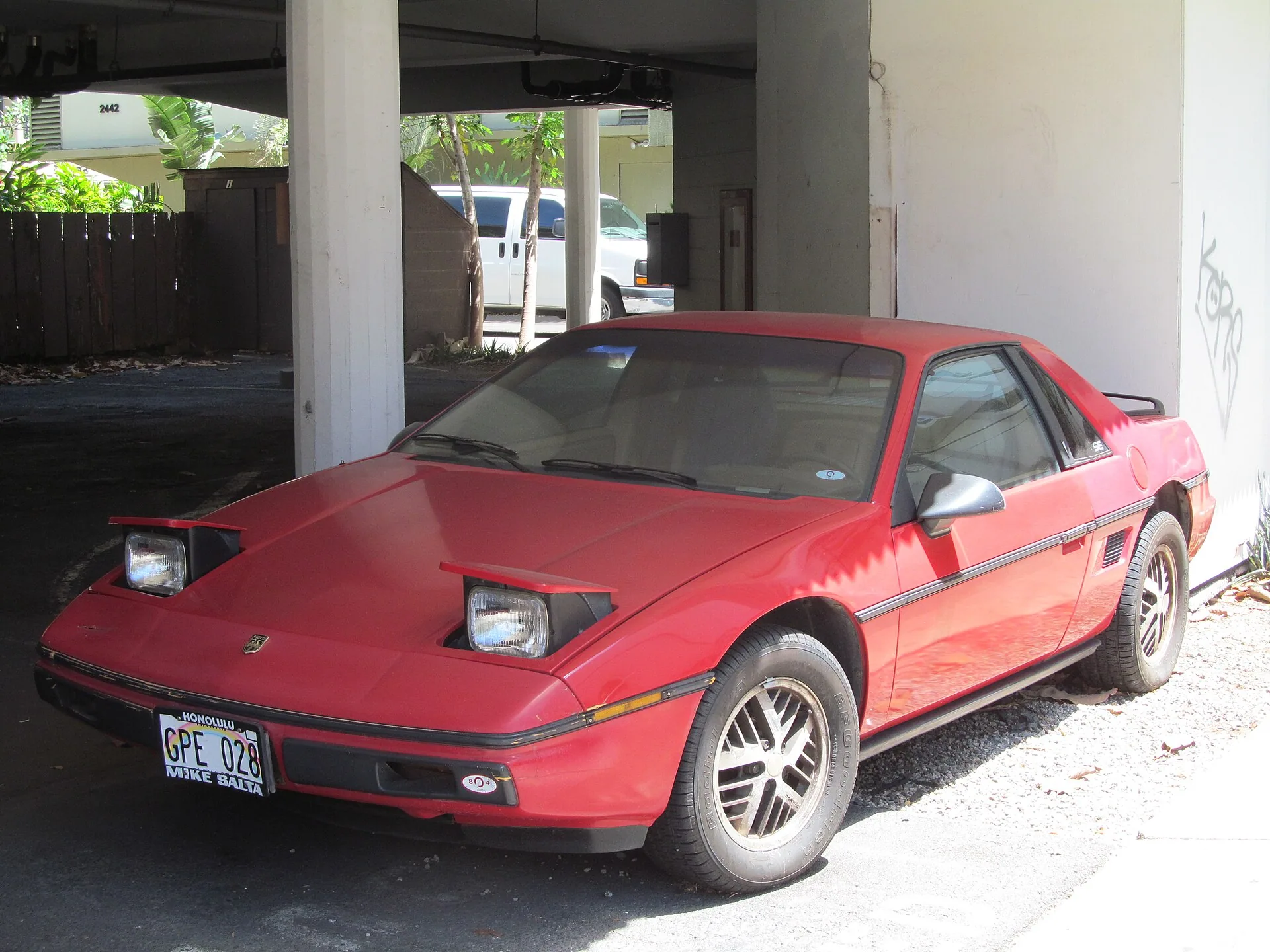
For most dead brands there is an afterlife — a licensing deal, a revival, a name sold on to new owners. For Pontiac there is none. There is no Pontiac department inside another company's stores, no licensed second act, no new owner trading on the name. General Motors retains the name and builds nothing under it; no revival followed, and no credible revival plan exists. The trademark sits with the company that ended it. What remains is what the fans kept: the cars, the clubs, and the collectors who still drive them.
Visual interlude
Reading section 06
The Verdict
So what actually killed Pontiac? Not its customers, who were still buying about a quarter of a million cars a year at the end, and not a rival brand. It was killed by arithmetic one level up: a parent company with too many brands and too little money, and a government-backed restructuring that demanded cuts. The excitement brand was the rational sacrifice. In 1968 Pontiac built 910,977 cars; today it builds none, and there is no second act on the way. Pontiac did not run out of fans. It ran out of a parent company that could afford it.
Visual interlude
Reading section 07
Timeline
Visual interlude
Reading section 08
Sources & image credits
Sources. Peak and end figures — Associated Press (Pontiac obituary coverage, 1 November 2010: the 17 percent share of GM's 5.4 million U.S. sales in 1968, and 2008 sales as "less than a third" of 1968; dealer-agreement expiry, 31 October 2010). 1968 production of 910,977 — MotorCities National Automotive Heritage Area (Robert Tate, automotive historian, 2018). Third-place industry ranking — Pontiac model histories. GTO origins and the "first muscle car" credit — automotive histories, as logged in the episode fact log (the credit is hedged in the text, as in the episode). Firebird/Trans Am history and screen fame — automotive and pop-culture reporting, as logged. Aztek sales (27,322 in 2001) — Aztek U.S. sales table, reproduced across automotive references; the forecast of up to 75,000 a year and the 30,000 break-even point — GM forecast reporting reproduced in Aztek histories. 2008 sales (267,348) — General Motors' 2008 sales figures, as reported by CNNMoney and Bloomberg. The phase-out announcement of 27 April 2009 — General Motors, reported contemporaneously by AP, CNNMoney and Bloomberg. The last U.S.-market car — The Detroit News (David Phillips, 26 November 2009), reporting from Orion Township. Brand status — episode status check, November 2026 (no credible revival plan in current reporting; General Motors retains the name). Episode facts are logged in full in the Dead Brands script pack, No. 7 — Pontiac, fact log items 1–17; the bracketed numbers in the Timeline refer to those items. Origins (1926 companion marque) and the outline-only details rest on the script pack's long-form outline, section (c).
Image credits (all via Wikimedia Commons; licenses as logged at download, November 2026):
Dates. Published: 2026-11-09 · Last verified: 2026-11-08 · Updated: 2026-11-09
Author: Ronin Naodhinsuk
Pontiac, General Motors, Chevrolet, Ford, and all other brand names and logos mentioned in this article are trademarks of their respective owners. The Record Institute is an independent archive and is not affiliated with, endorsed by, or connected with General Motors or any successor owner of the Pontiac brand.
Next episode → No. 9: What Happened to Circuit City?
Related Articles
- Borders — What Happened to Borders?
- Tower Records — What Happened to Tower Records?
- Compaq — What Happened to Compaq?