Dead Brand Stories / Schlitz
What Happened to Schlitz?
In 1976, Schlitz sold 24.2 million barrels of beer — more than in any year of its life — and quietly recalled more than ten million bottles and cans of it. The biggest year and the breaking of trust were the same year.
Opening statement
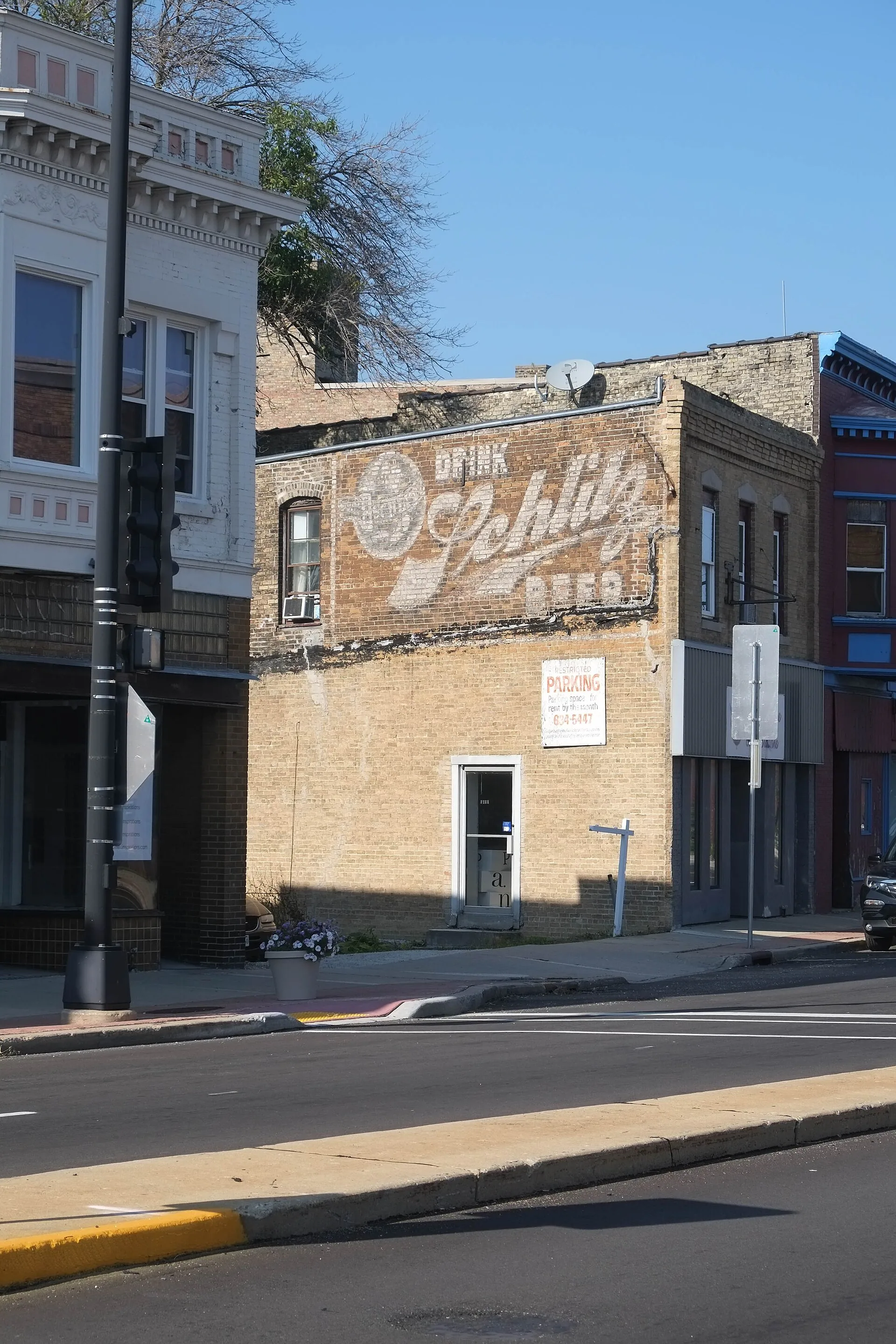
In 1976, Schlitz sold 24.2 million barrels of beer — more than in any year since August Krug opened his Milwaukee tavern brewery in 1849. That same year, quietly, it called back more than ten million bottles and cans of that beer, because some of it had filled with white flakes. Both facts are true, and together they are the whole story in one year: the biggest year in the company's life was the year the trust ran out. This is a story with three endings, half a century apart. The drinkers' confidence ended first, in the nineteen seventies, when the beer in the glass stopped matching the slogan on the label. The company's independence ended in 1982, when Schlitz was sold to Stroh. And production itself paused only in May 2026, when Pabst put the name on hiatus and a Wisconsin brewery made one final 80-barrel batch from the 1948 recipe. Between the first ending and the last stands the whole arc: America's largest brewer in 1902, a slogan the whole country knew, Prohibition survived on malt syrup and near beer, and a family — the Uihleins — who ran the company for a hundred years and then changed the one thing they sold. This account is drawn from the record: the Encyclopedia of Milwaukee, the Milwaukee Journal Sentinel, the New York Times, William Knoedelseder's Bitter Brew, and the Justice Department's own complaint in U.S. v. Stroh/Schlitz. It runs from a tavern brewery in 1849 to an 80-barrel farewell batch in 2026 — and it keeps the three endings separate, because Schlitz did not die once.
A structured case history
Reading section 01
Watch: Dead Brands No. 32, the short — the failure in brief
Watch: Dead Brands No. 32, the full story
Reading section 02
The Rise of Schlitz
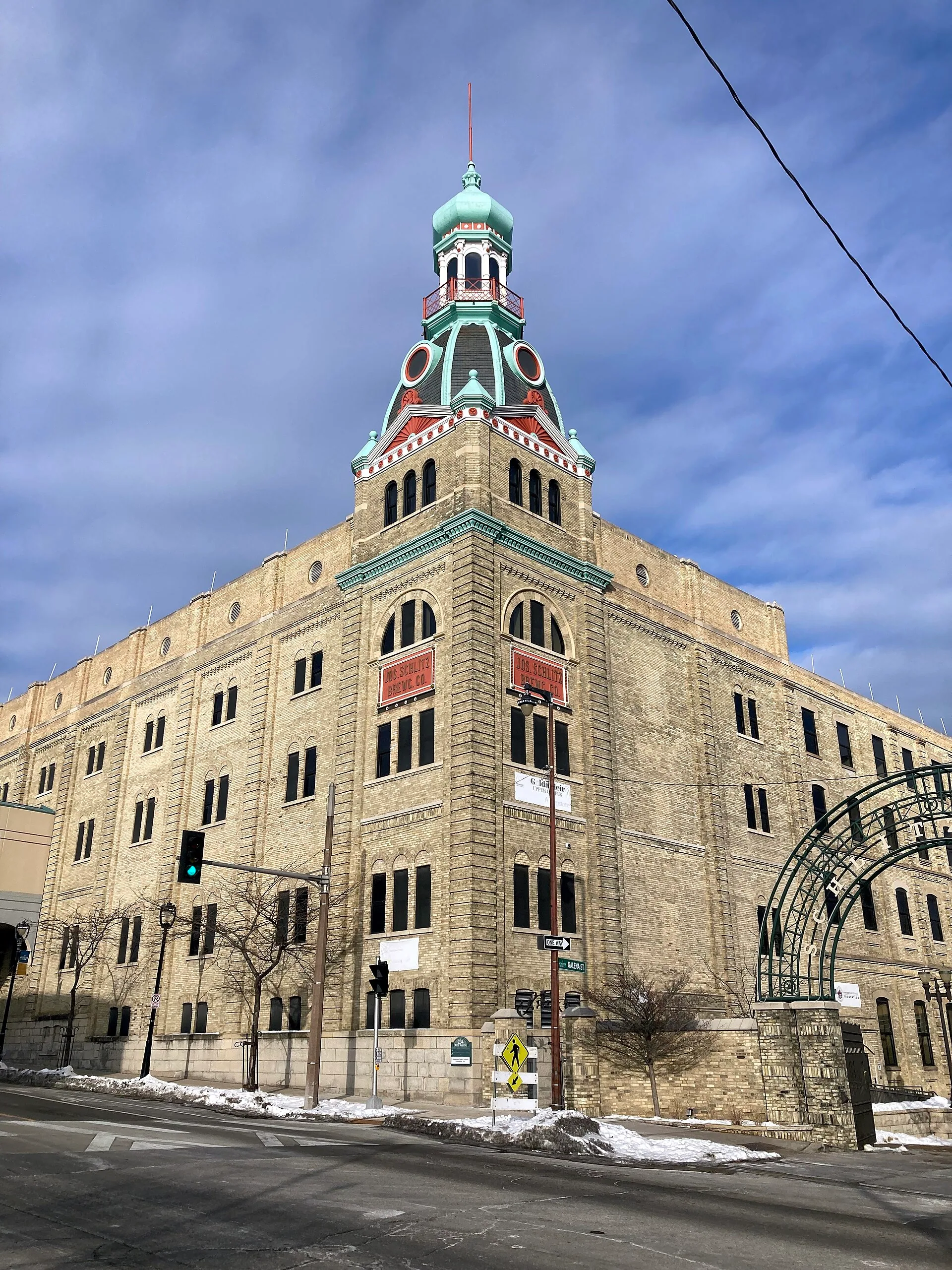
It began in Milwaukee in 1849, where August Krug, a German immigrant, founded a tavern brewery. His bookkeeper was Joseph Schlitz, hired in 1850. When Krug died in 1856, Schlitz took over the brewery; in 1858 he married Krug's widow, Anna Maria, and put his own name over the door — the name the next century would know.
Chicago made it big. Schlitz had kept an agency there since 1868, and when the Great Fire burned through the city in 1871, Schlitz was positioned to pour into the gap: in the year after the fire, its Chicago sales more than doubled. What Chicago did for Schlitz became a legend of its own — the side story below takes it apart.
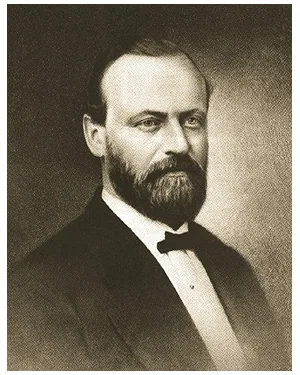
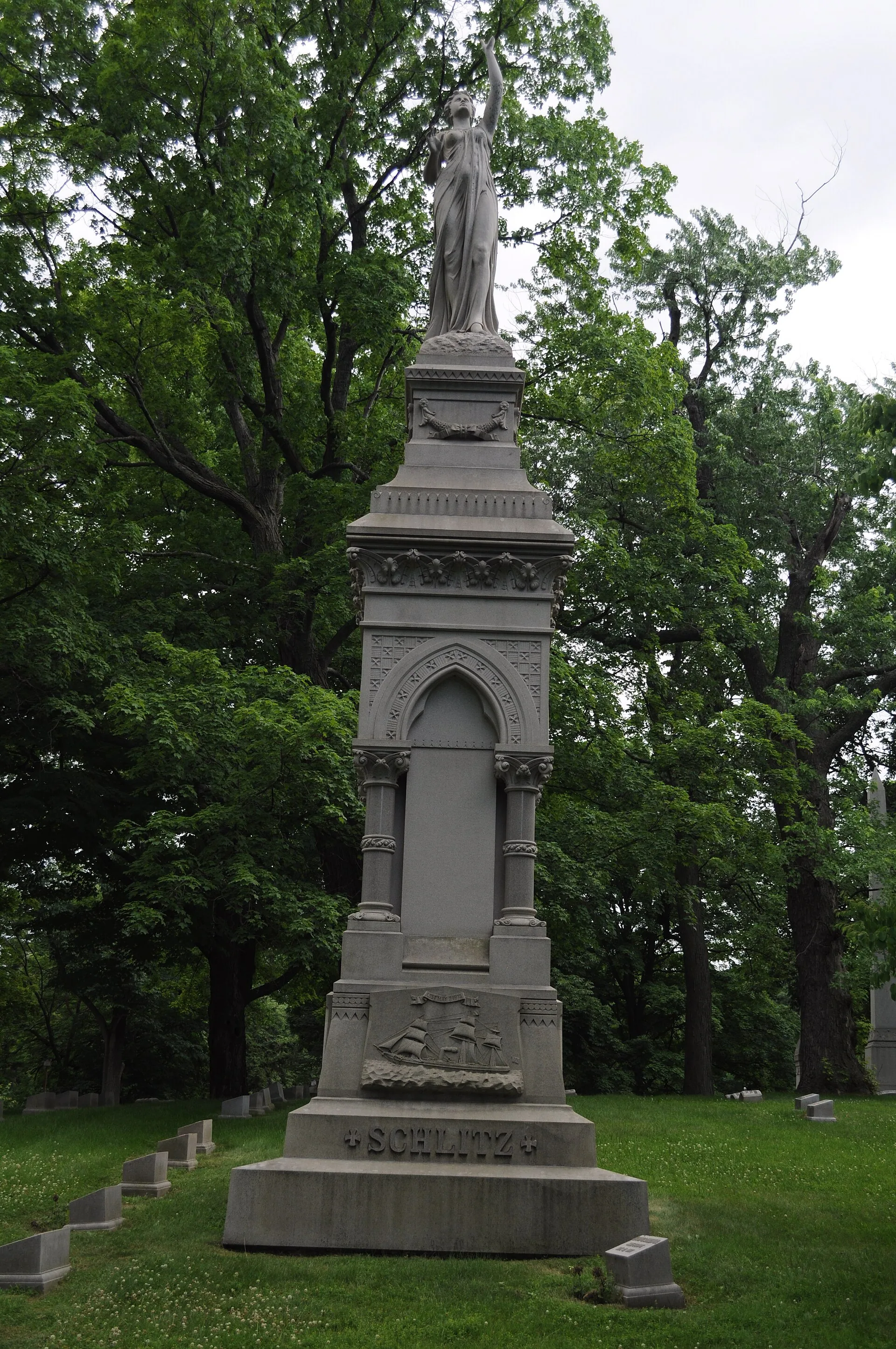
Joseph Schlitz did not live to see the empire. On 7 May 1875 he died in the wreck of the SS Schiller. Control passed to the Uihlein brothers — Krug's nephews — who kept the Schlitz name on the brewery and ran the company for a century, until 1976.
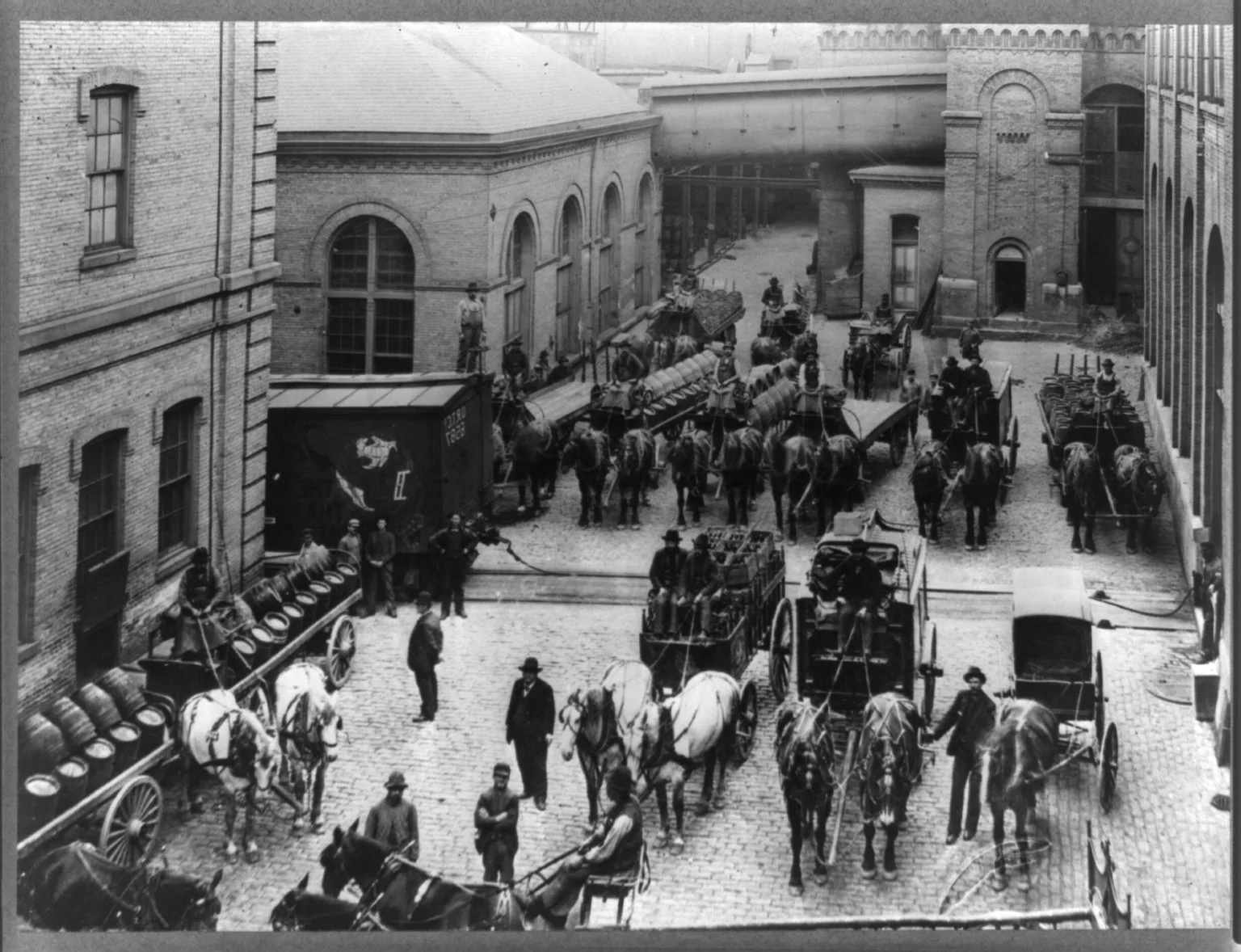
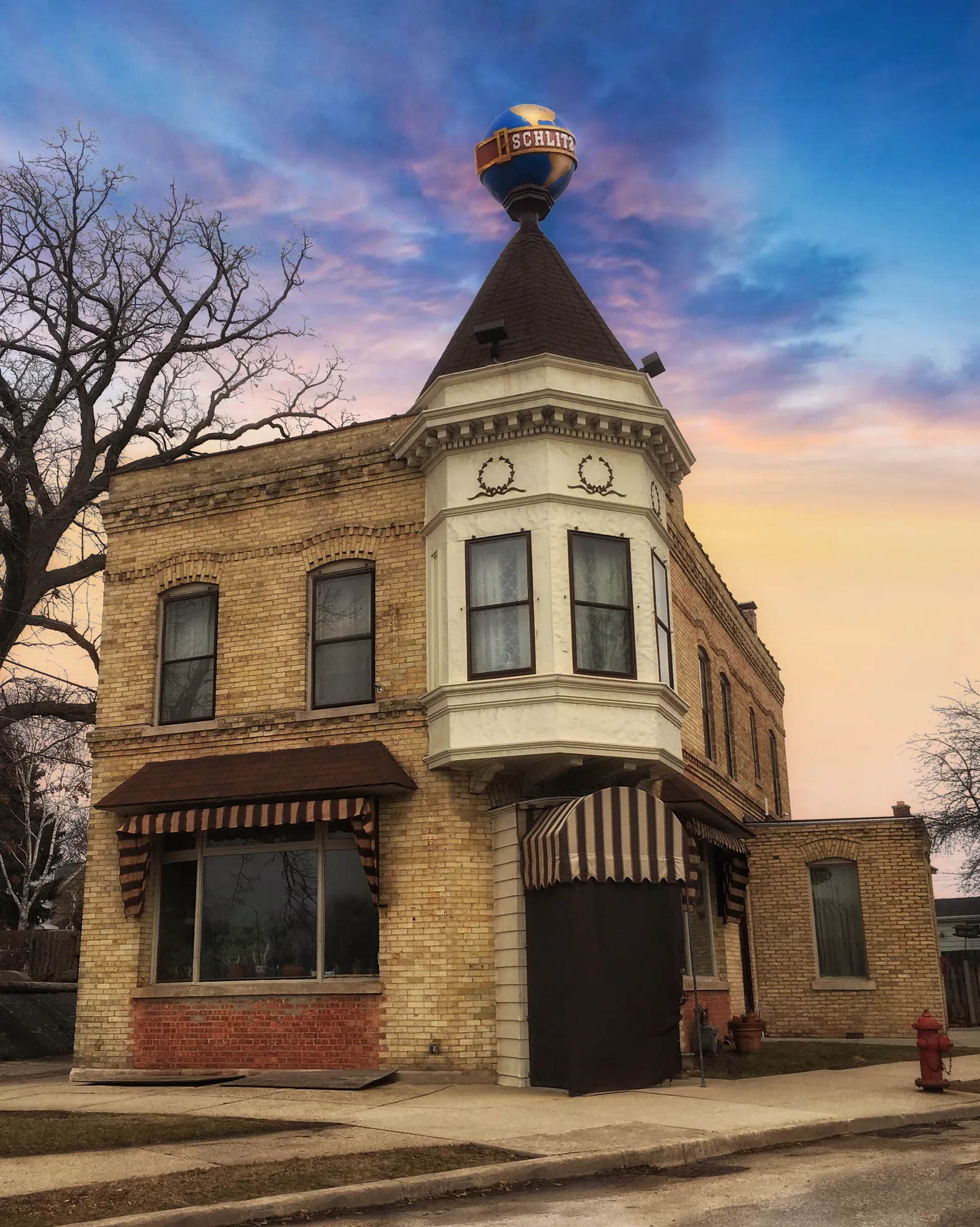
In the early eighteen nineties the company took the slogan it would carry for a hundred years: "The beer that made Milwaukee famous." In 1902 Schlitz passed its Milwaukee rival Pabst to become America's largest brewer, producing about one million barrels a year. It built the machine to pour: horse-drawn wagons out of the Milwaukee brewery, and tied houses — saloons bound to the brewery. Between 1897 and 1905, under Edward Uihlein, Schlitz built fifty-seven tied houses in Chicago alone, most carrying the company globe in relief in the brickwork.
Prohibition, from 1920 to 1933, should have ended it. Instead the company traded as the Schlitz Beverage Company, living on malt syrup, sodas and bakery goods — and on Famo, its de-alcoholized "cereal beverage", a near beer. For those years the slogan was quietly amended: "The drink that made Milwaukee famous."
Visual interlude
Reading section 03
Side Story: The Chicago Legend
Every Schlitz drinker in Chicago knows the story: after the Great Fire of 1871, Schlitz sent free beer into the thirsty, burned city — and won Chicago forever. It is a wonderful story. The record does not support it. Brewing-history scholarship treats the free-beer donation as a modern myth, assembled long after the fact. What the record shows is less romantic and more impressive: a company that already kept a Chicago agency in 1868, and more than doubled its sales in the year after the fire. Schlitz did not win Chicago with a gift. It won Chicago by being ready.
Watch: the side story — the Chicago legend examined
Visual interlude
Reading section 04
The Peak
After Repeal, Schlitz and Anheuser-Busch traded the title of America's largest brewer back and forth through the nineteen fifties. Budweiser settled the argument in 1957, passing Schlitz for good. Schlitz settled in at No. 2 — and held the position for two more decades, still America's second-largest brewery as late as 1976.
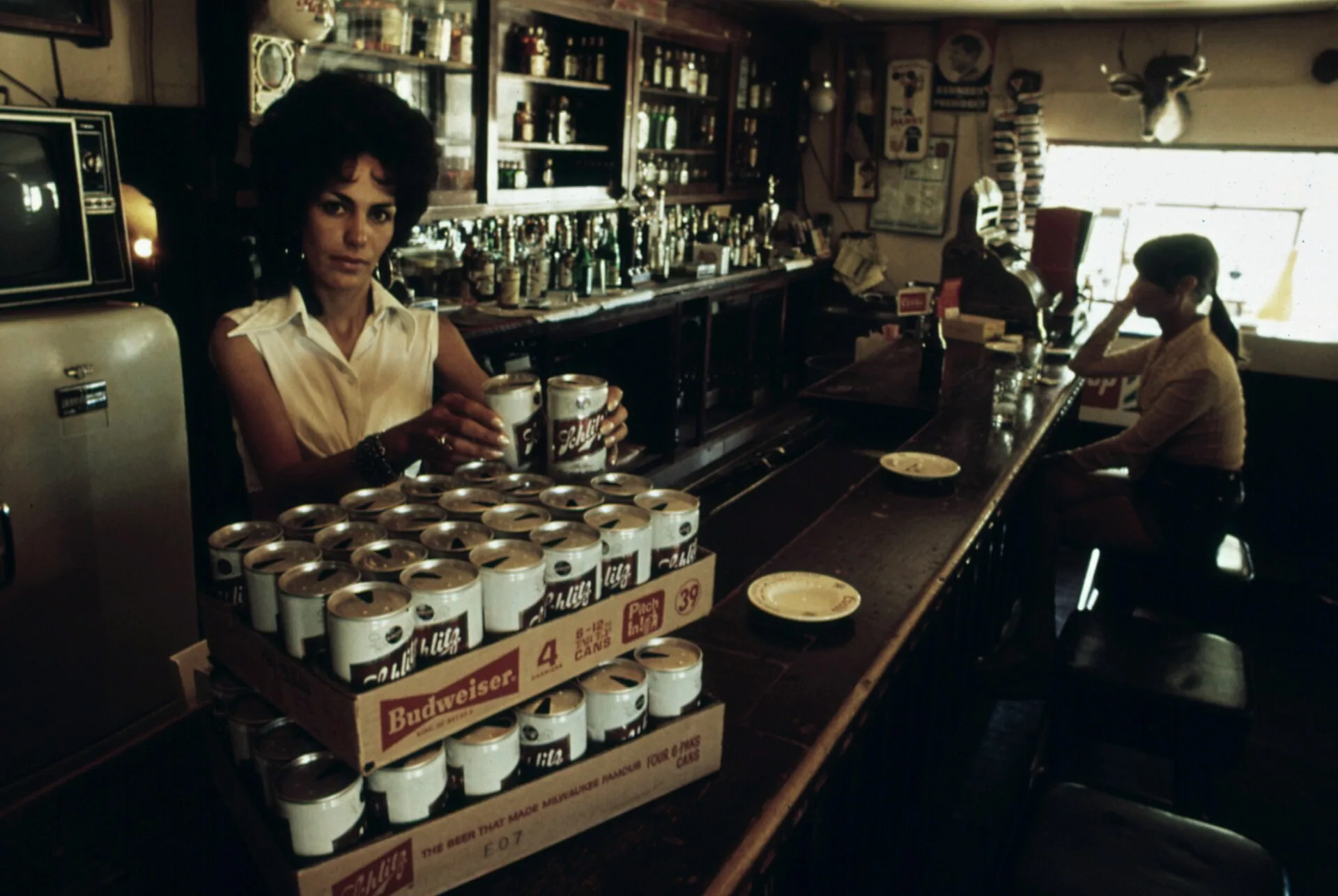
The peak, when it came, was enormous: in 1976 Schlitz sold 24,162,000 barrels of beer — 24.2 million — the most in its history, a year helped along by a strike at Anheuser-Busch. The cans were on every bar in America. It was also, though almost nobody outside the company knew it yet, the year of the recall.
Visual interlude
Reading section 05
The Fall of Schlitz
The turn was a strategy, and it had an author. Robert Uihlein Jr. — president from 1961, chairman from 1967 — reasoned that if Schlitz could not outsell Anheuser-Busch, it would out-profit it: spend less on every barrel. From 1967, accelerated batch fermentation cut weeks out of the brewing cycle. Corn syrup replaced some of the malted barley. Cheaper hop pellets and extracts replaced fresh hops. High-temperature fermentation replaced the traditional method. Each change was small, and deliberately so — made incrementally, on the belief that drinkers would not notice any single step. The reformulated beer lost flavour and consistency, and it spoiled faster.
The faster beer had a visible problem: it had not been aged long enough for its proteins to settle, so it hazed when chilled. Schlitz added silica gel to hold the haze back. Then, fearing that regulators would require ingredients to be listed on the label, the company replaced the silica gel with Chill-garde — an agent filtered out at the end of production, and so never disclosed. Chill-garde reacted with Kelcoloid, the seaweed-derived foam stabilizer, and the beer filled with tiny white flakes that clumped together like mucus. The beer was perfectly safe to drink. It looked tainted. The flakes grew worse the longer a bottle sat on the shelf — and the alternative was no better: drop the Kelcoloid, and the beer poured flat and headless, "flat as apple cider".
Complaints about flaky beer had surfaced as early as September 1975, and secret removals — more than 500,000 cases, across 17 states — were already under way. In 1976 came the recall itself. Schlitz quietly recalled the beer — more than 10 million bottles and cans. The recall cost 1.4 million dollars. What it cost in trust could not be counted.
That November, the strategy lost its author. Robert Uihlein Jr. died of leukemia on 12 November 1976, weeks after his diagnosis, aged 60 — and for the first time, leadership of Schlitz passed out of the Uihlein family.
What followed was a company arguing with itself in public. In 1977, Leo Burnett's television campaign showed Schlitz drinkers jokingly threatening an off-screen voice that urged them to try another beer; audiences found the ads menacing, and Schlitz pulled them after ten weeks and fired the agency. The ad industry nicknamed the campaign "Drink Schlitz or I'll kill you" — an industry nickname, never Schlitz's own slogan. On 15 March 1978, a federal grand jury indicted the company on 747 counts of alleged illegal marketing practices under the Federal Alcohol Administration Act — allegations of inducement payments made between 1972 and 1977. An indictment is an accusation, not a verdict, and this file records it as exactly that.
The rescue was attempted by a brewer. Frank J. Sellinger, a chemist and brewmaster who had spent years at Anheuser-Busch, joined in November 1977 and became vice chairman and chief executive in 1978. He set about returning Schlitz to a traditional brewing process, reworked the taste, staged live televised taste tests, and appeared in the "Taste My Schlitz" campaign himself. Shortly after he started, his own daughter telephoned from the West Coast: "Daddy, I don't like that beer." He answered: "Honey, do me a favor. Try Schlitz Malt Liquor. If you still don't like it, go back to Budweiser." It was honest. It was also too late.
Between Uihlein's death and Sellinger stood the interlude that seeded a myth: Eugene B. Peters, an accountant, became president and chief executive, and resigned within about a year. The recipe decisions that undid Schlitz were not his — every one of them predated him, taken under the family's own chairman. The numbers by then were brutal: a company that had made almost 50 million dollars in profit five years earlier lost 50.6 million dollars in 1979.
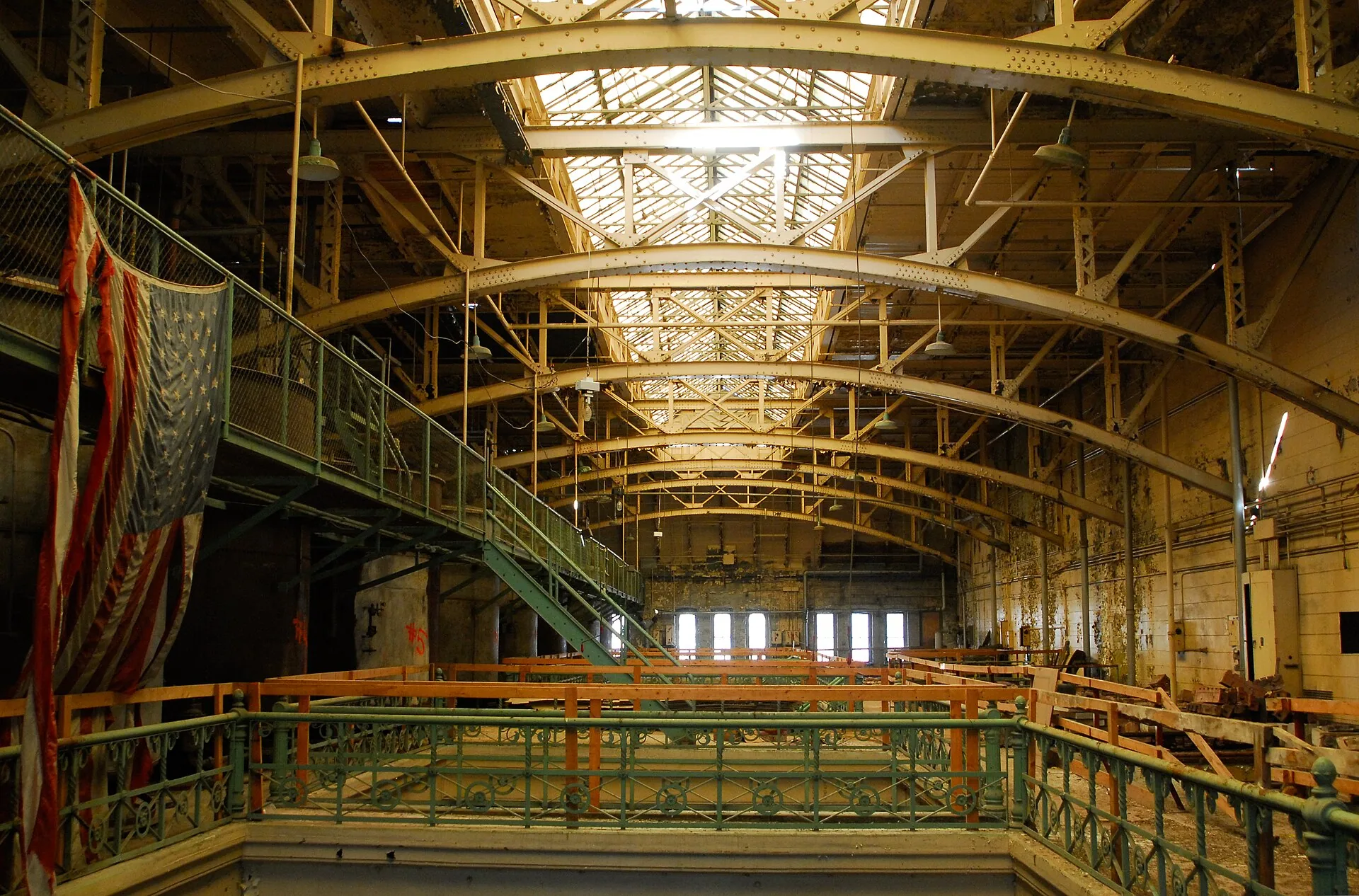
The barrels tell the rest. From 24.2 million in 1976, sales fell to 19.6 million in 1978, 14.9 million in 1980 and 14.3 million in 1981; by 1980 Schlitz stood fourth, behind Anheuser-Busch, Miller and Pabst. On 1 June 1981, about 700 production workers struck, and that autumn the company closed its Milwaukee brewery — the 1870 flagship, its oldest and least efficient plant — permanently, on 30 September 1981. G. Heileman tried to take Schlitz over that year and was blocked by a threatened antitrust suit. In 1982, Schlitz was sold to Stroh, for about 500 million dollars; the Justice Department's approval required Stroh to part with either its Memphis or its Winston-Salem plant, and the purchase made Stroh America's third-largest brewer.
STAT CARD 24.2 million → 14.3 million Barrels of Schlitz beer sold in 1976, the peak year — and in 1981, five years later, on the company's own shipment figures as recorded in the Justice Department's complaint in U.S. v. Stroh/Schlitz.
Visual interlude
Reading section 06
The Afterlife
Stroh held Schlitz for seventeen years. The debt Stroh took on to buy it is widely cited as a cause of Stroh's own later death — the purchase that preserved Schlitz's name helped sink its buyer. On 8 February 1999, Stroh sold its labels in a split breakup: Pabst took most of them, including Schlitz, while Miller took Henry Weinhard's and Mickey's. Stroh itself dissolved in 2000.
Under Pabst, the name got one more life. The original Schlitz formula had been lost in the nineteen seventies reformulations, so Pabst rebuilt the "Classic 1960s Formula" from documents and interviews with former Schlitz brewers, and relaunched it in 2008 — contract-brewed by Miller, in Chicago, Florida, Boston, Minneapolis–Saint Paul and Milwaukee. Pabst reported its best sales trend since 1999 that year, and from 2009 some Schlitz production returned to Milwaukee, at the MillerCoors brewery.
The last chapter opened on 15 May 2026, when Pabst announced it would stop producing Schlitz, citing the rising costs of storing and shipping it. Pabst's own word for the move is a "hiatus": the trademark is retained, and no return date has been announced. With Pabst's permission, Wisconsin Brewing Company of Verona, Wisconsin, brewed a final batch — 80 barrels, from Schlitz's 1948 specifications — on 23 May 2026, and released it on 27 June 2026. The reporting concerns the flagship lager, and it is the flagship whose story pauses here.
Visual interlude
Reading section 07
The Verdict
So what actually killed Schlitz? Not a rival, and not a single bad year. The beer was changed by its own makers — a little at a time, on purpose, each step too small to protest — until the product in the glass no longer matched the slogan on the label. The flakes were safe to drink; that was never the point. What Schlitz sold was trust in a name, and the recall of 1976 spent it.
The company therefore has three endings, and this file records all of them. The drinkers' trust ended in the nineteen seventies. The company's independence ended in 1982, in the sale to Stroh. And the beer itself paused in May 2026 — 177 years after August Krug opened his tavern brewery — with the name retained by Pabst and a door, at least in Pabst's own word, left open: a hiatus is not a grave.
Visual interlude
Reading section 08
Timeline
Visual interlude
Reading section 09
Sources & image credits
Sources. The founding (1849; the Krug–Schlitz succession of 1856–58) — Encyclopedia of Milwaukee (University of Wisconsin–Milwaukee); Milwaukee Journal Sentinel timeline (18 May 2026). The Uihlein century and Joseph Schlitz's death in the SS Schiller wreck (7 May 1875) — Encyclopedia of Milwaukee; Wikipedia, sourced. The 1902 overtake (America's largest brewer; about one million barrels) — Milwaukee Journal Sentinel; Encyclopedia of Milwaukee. The slogan's introduction (early 1890s; the sources split between 1893 and 1894 — the article says "early 1890s") — Encyclopedia of Milwaukee. Prohibition survival (the Schlitz Beverage Company; malt syrup, sodas, bakery goods and Famo; the amended slogan) — Encyclopedia of Milwaukee; Chicago Landmark Designation Report (2011); Daniel Okrent, Last Call. The Budweiser contest and 1957 — Milwaukee Journal Sentinel; the No. 2 position held as late as 1976, and lost to Miller in 1977 — Wikipedia, sourced; Encyclopedia of Milwaukee. The 1976 peak (24,162,000 barrels; the Anheuser-Busch strike's help) — contemporary trade reporting and the 1976 stockholders' report data; New York Times (1 March 1981). Robert Uihlein Jr. (president 1961; chairman 1967; the out-profit strategy) — Uihlein Family Papers finding aid (Wisconsin Historical Society); New York Times obituary; The Beer Connoisseur's account. Accelerated batch fermentation (1967) and the incremental ingredient changes (corn syrup, hop pellets and extracts, high-temperature fermentation) — Encyclopedia of Milwaukee; The Beer Connoisseur; Wikipedia, sourced. The silica gel and the flakes (the Chill-garde and Kelcoloid reaction; the beer safe but "looked tainted"; the flat, headless alternative, "flat as apple cider"; Kelcoloid as a seaweed-derived alginate; the flakes worsening on the shelf) — William Knoedelseder, Bitter Brew (2012), ch. 11; Encyclopedia of Milwaukee; Wikipedia, sourced. The recall (1976; more than 10 million bottles and cans; 1.4 million dollars; the September 1975 complaints and secret removals of more than 500,000 cases across 17 states) — Knoedelseder, Bitter Brew; Wikipedia; Encyclopedia of Milwaukee. Uihlein's death (12 November 1976) — New York Times obituary (14 November 1976); Encyclopedia of Milwaukee. The barrel collapse (19.6 million in 1978; 14.9 million in 1980; 14.3 million in 1981; No. 4 by 1980) — the Justice Department's complaint in U.S. v. Stroh/Schlitz (1982); Brewer's Journal / NABA; New York Times (1981). The 1981 strike (about 700 workers, 1 June 1981) and the Milwaukee closure (30 September 1981) — Wikipedia, sourced; Milwaukee Journal Sentinel; Encyclopedia of Milwaukee. The sale to Stroh (1982; 494.7 million dollars; the Justice Department's plant condition; the blocked Heileman attempt of 1981) — Koenings v. Joseph Schlitz Brewing Co. (Wis. Ct. App. 1985); contemporary trade press; Wikipedia. The 1977 Burnett campaign (pulled after ten weeks; the agency fired; the industry nickname) — the episode's fact gate, from Wikipedia, sourced. The 1978 indictment (15 March 1978; 747 counts; the Federal Alcohol Administration Act; alleged inducement payments, 1972–1977) — Esquire, "Beer War" excerpt; Texas Observer (7 July 1978); the episode's research establishes no outcome, and none is stated. The Sellinger rescue (joined November 1977; vice chairman and chief executive 1978; the return to traditional brewing; the "Taste My Schlitz" campaign; the daughter exchange) — New York Times (1 March 1981), via the Brookston Beer Bulletin obituary and reprint. The Peters interlude and the earnings swing (almost 50 million dollars profit to a 50.6 million dollar loss in 1979) — New York Times (1 March 1981), via Brookston. The Stroh breakup (8 February 1999; Pabst took Schlitz; Miller took Henry Weinhard's and Mickey's; Stroh dissolved 2000) — Wikipedia, "Stroh Brewery Company," sourced; contemporary trade newsletter. The 2008 revival (the lost formula; the reconstruction from documents and former brewers; the first markets; contract brewing by Miller; the 2009 Milwaukee return) — Wikipedia, sourced; Milwaukee Journal Sentinel; OnMilwaukee (20 June 2008). The 2026 hiatus (15 May 2026; Pabst's own word "hiatus"; the storage and shipping costs; the final 80-barrel batch from the 1948 specifications, brewed 23 May 2026 and released 27 June 2026) — Milwaukee Journal Sentinel (15 May 2026 and timeline); Milwaukee Magazine via Gear Patrol; Tasting Table (28 August 2026). The Chicago legend — brewing-history scholarship, as recorded in the episode's fact gate: the free-beer donation is a modern myth; the verified record is the Chicago agency kept since 1868 and Chicago sales more than doubling in the year after the 1871 fire.
Image credits (all via Wikimedia Commons; licenses as logged at download, November 2026):
Dates. Published: 2026-11-24 · Last verified: 2026-11-20 · Updated: 2026-11-24
Author: Ronin Naodhinsuk
Schlitz, Pabst, Stroh, Budweiser, Miller, and all other brand names and logos mentioned in this article are trademarks of their respective owners. The Record Institute is an independent archive and is not affiliated with, endorsed by, or connected with Pabst Brewing Company, the Stroh Brewery Company, or any successor of the Joseph Schlitz Brewing Company.
Related Articles
- RadioShack — What Happened to RadioShack?
- TWA — What Happened to TWA?
- Woolworth's — What Happened to Woolworth's?