Dead Brand Stories / Woolworth's
What Happened to Woolworth's?
Woolworth's was not bankrupted by its rivals — in 1997 the company closed its own last four hundred American five-and-dimes and retired its own name, because it had already become Foot Locker.
Opening statement
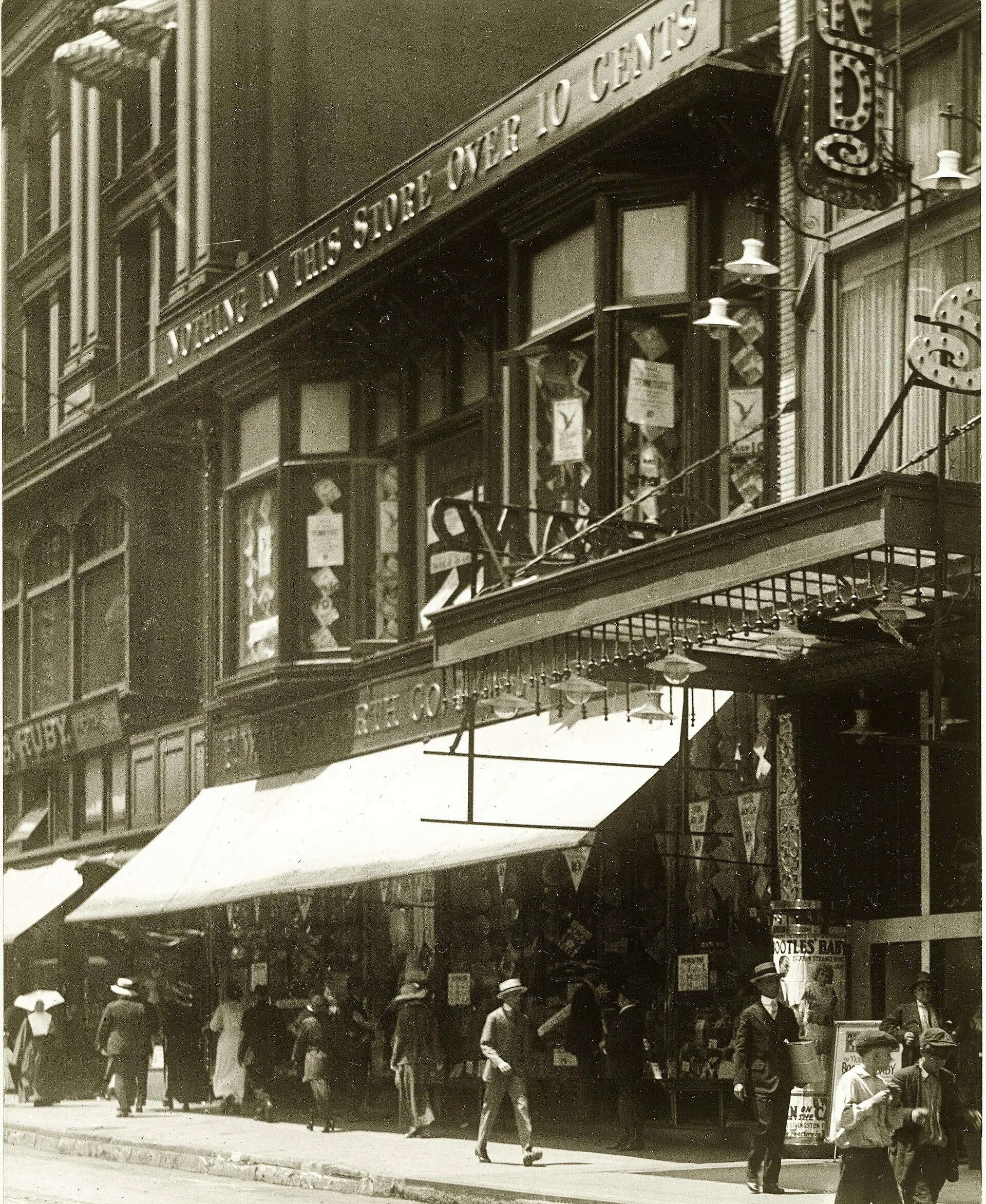
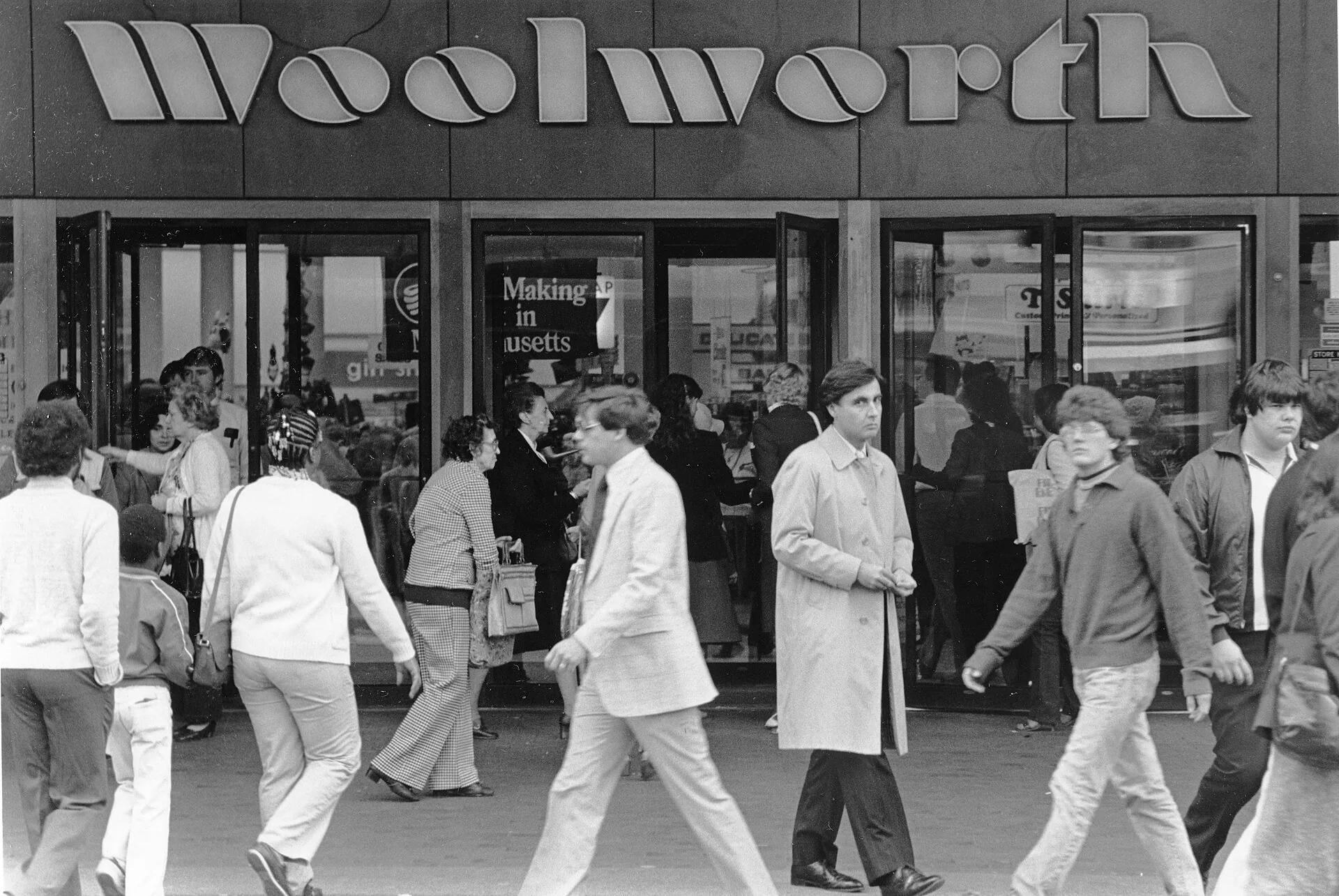
In July 1997, the company that invented the five-and-dime chain announced the end of it. More than four hundred American stores — all that was left of the original Woolworth's — would close, and about nine thousand two hundred jobs would go with them. Nobody had defeated the chain in a bankruptcy court, and no rival had bought it. The company closed its own stores itself, because by 1997 the five-and-dimes were no longer what the company was. At its height the company counted 2,850 stores across several countries. It had paid for the tallest building in the world in cash. Its lunch counters had become America's meeting place — so much America's meeting place that in 1960 four students in Greensboro, North Carolina, chose one of those counters to change the country. This is the story of how that empire was not destroyed but retired, one decision at a time: a discounter answered too late, a slow drift toward mall chains and sneakers, and a stock index that handed the old name's seat to Walmart. This account is drawn from the record: the company's own published history, the National Park Service's nomination for its tower, the Smithsonian's record of the Greensboro counter, and contemporary reporting of the 1997 announcement. It runs from a failed five-cent store in Utica in 1879 to a closure announcement 118 years later — and then it keeps going, because in the end neither the company nor the name entirely died.
A structured case history
Reading section 01
Watch: Dead Brands No. 15, the short — "What Happened to Woolworth's?"
Visual interlude
Reading section 02
The Rise of Woolworth's
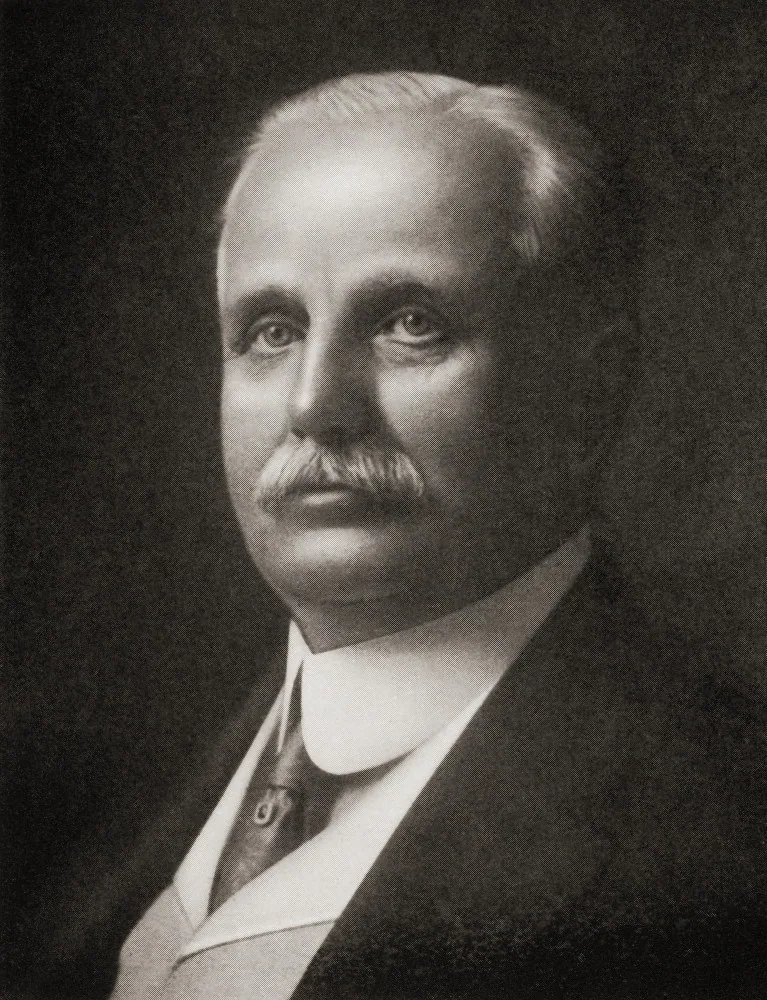
Frank Winfield Woolworth opened his first store in Utica, New York, on 22 February 1879. "Woolworth's Great Five Cent Store" sold everything at five cents — and failed, closing by May of the same year, after about three months. The idea was not wrong; the place was. On 21 June 1879 he opened again in Lancaster, Pennsylvania, with the same model — five cents an item, a dime at most — and this time it worked. The fixed low price, the open counters, the goods you could handle before you bought: that was the invention, and it travelled.
It travelled because other merchants copied it under his name. Woolworth and his friendly rivals ran a loose syndicate of five-and-dimes, and in 1912 they made it one company: 596 stores merged into the F. W. Woolworth Company, under agreements signed in November 1911 and effective 31 January 1912. The little Utica failure had become, in thirty-three years, a single chain of nearly six hundred stores.
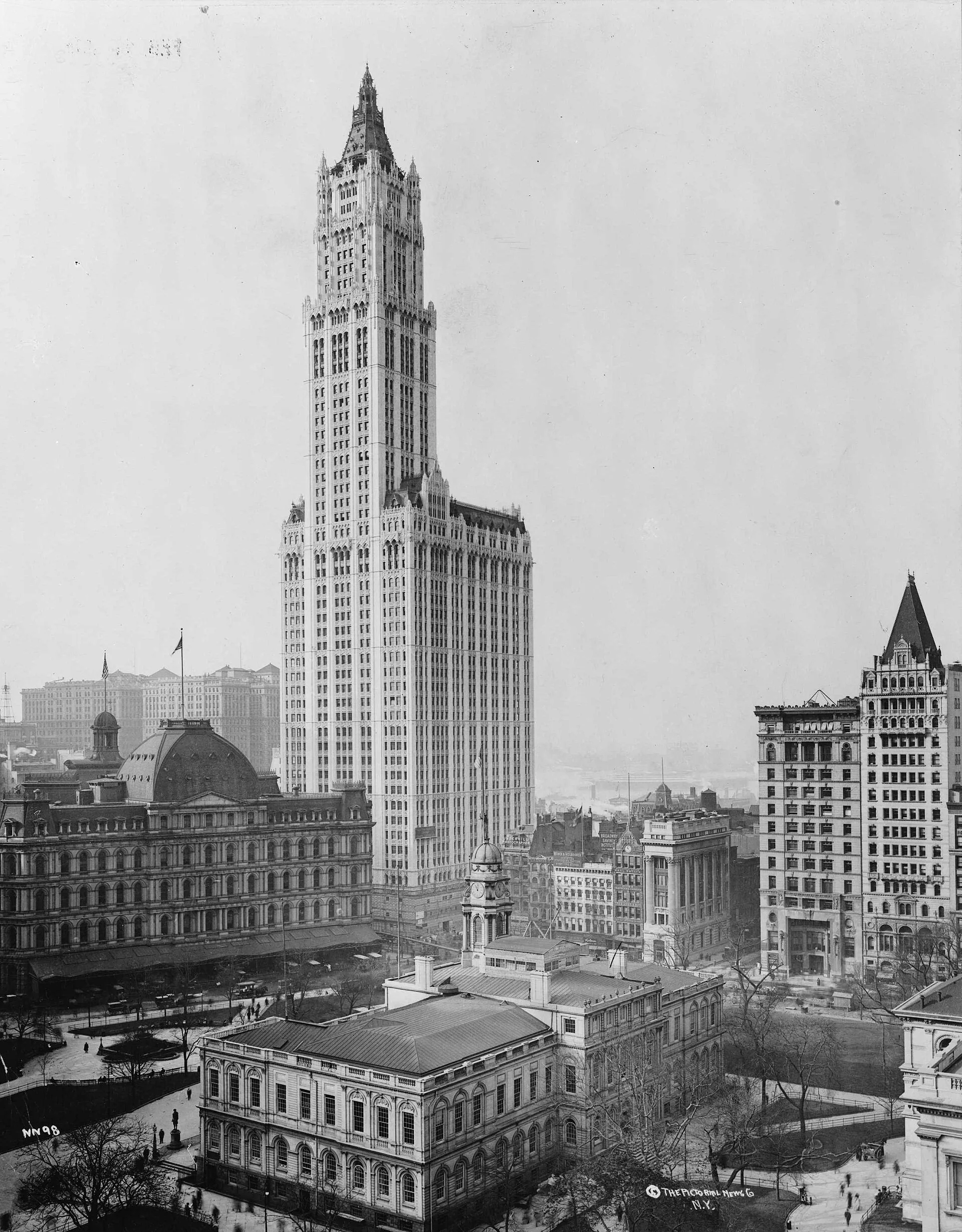
Then came the monument. On 24 April 1913 the Woolworth Building opened at 233 Broadway in New York: 792 feet of Gothic tower, the tallest building in the world, and it stayed the tallest until 1930. Its cost was 13.5 million dollars — and Frank Woolworth paid it entirely in cash, with no mortgage. A five-and-dime had bought the world's tallest building out of nickels and dimes, and paid the whole bill at once.
Visual interlude
Reading section 03
The Peak
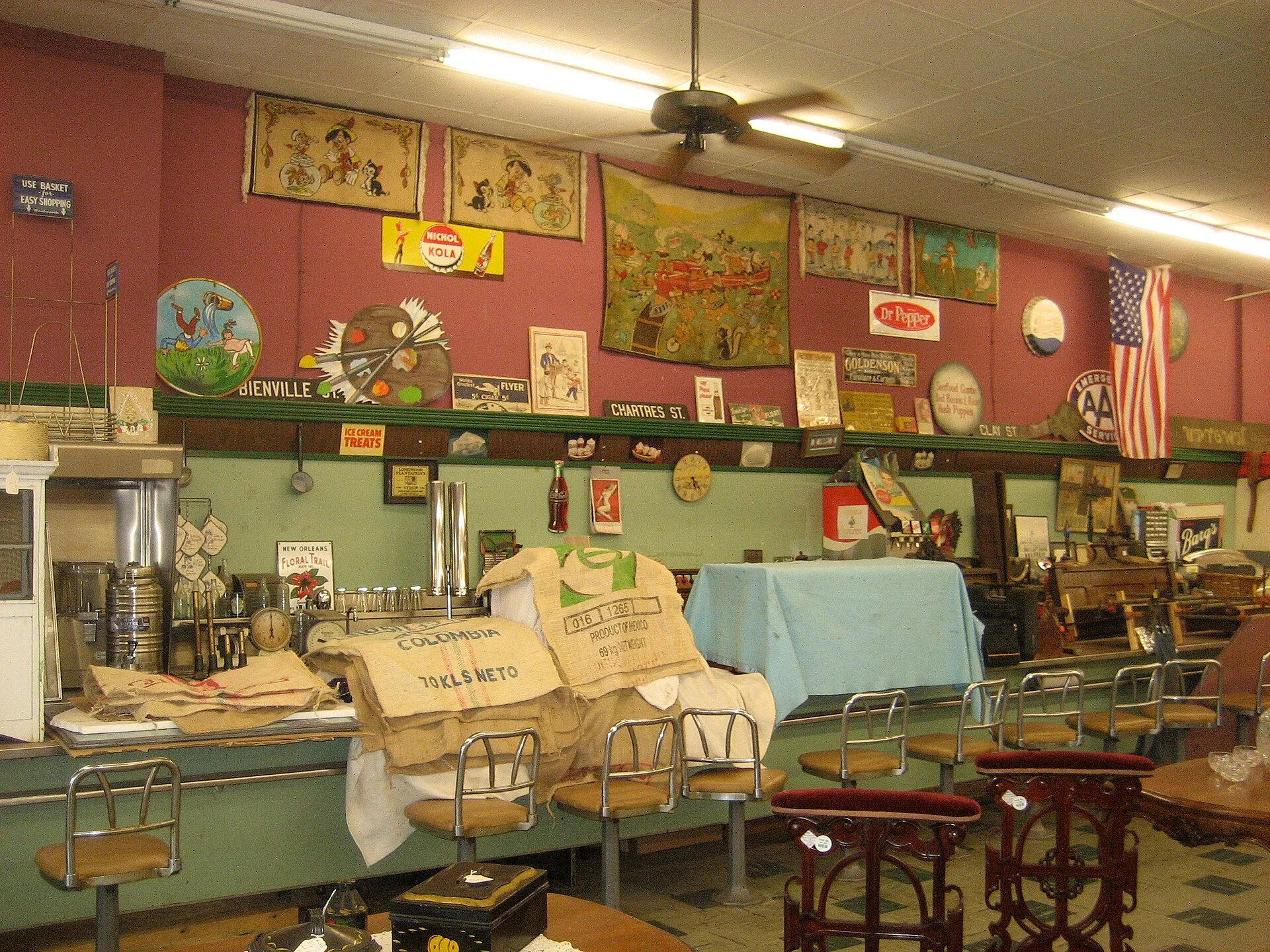
The company's own anniversary count for 1954 — its seventy-fifth year — records 2,850 stores in several countries, with annual sales of 700 million dollars. The count is the company's own, printed in its own published history, and its scope is the whole consolidated company, American and foreign stores together. Behind the numbers sat an institution no balance sheet captured: the lunch counter. Woolworth stores had taken to serving food, and the counters became general gathering places — America's meeting place, a precursor of the shopping-mall food court. On the old menu, a Super Jumbo Banana Split — the menu's biggest — cost thirty-nine cents.
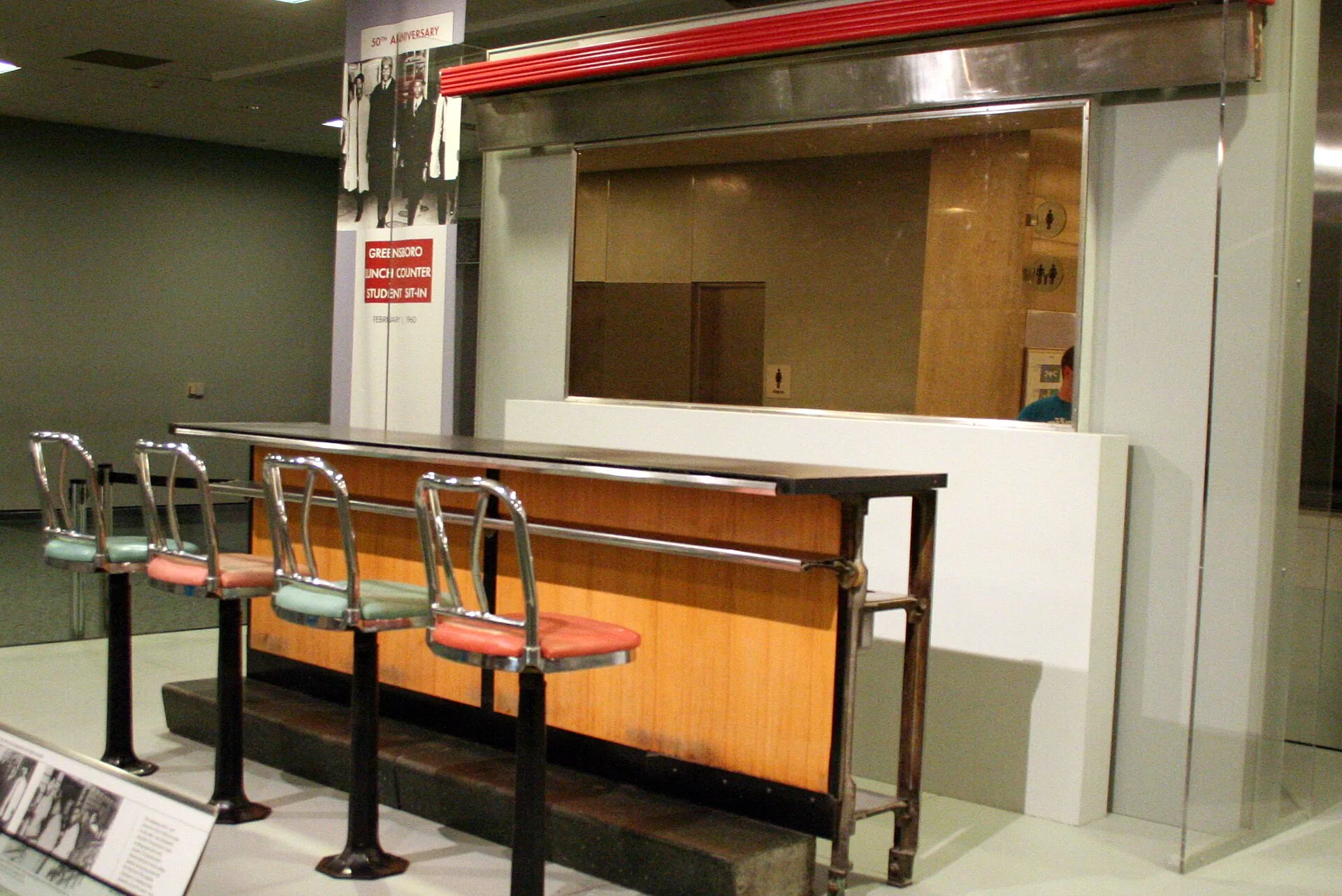
One of those counters made history. On 1 February 1960, four North Carolina A&T students — Ezell Blair Jr., David Richmond, Franklin McCain and Joseph McNeil — sat down at the whites-only Woolworth lunch counter at 132 South Elm Street in Greensboro and refused to leave. The sit-ins that followed ran until the counter desegregated on 25 July 1960. The Greensboro store is a civil-rights museum today, and a section of that counter sits in the Smithsonian.
Visual interlude
Reading section 04
The Fall of Woolworth's
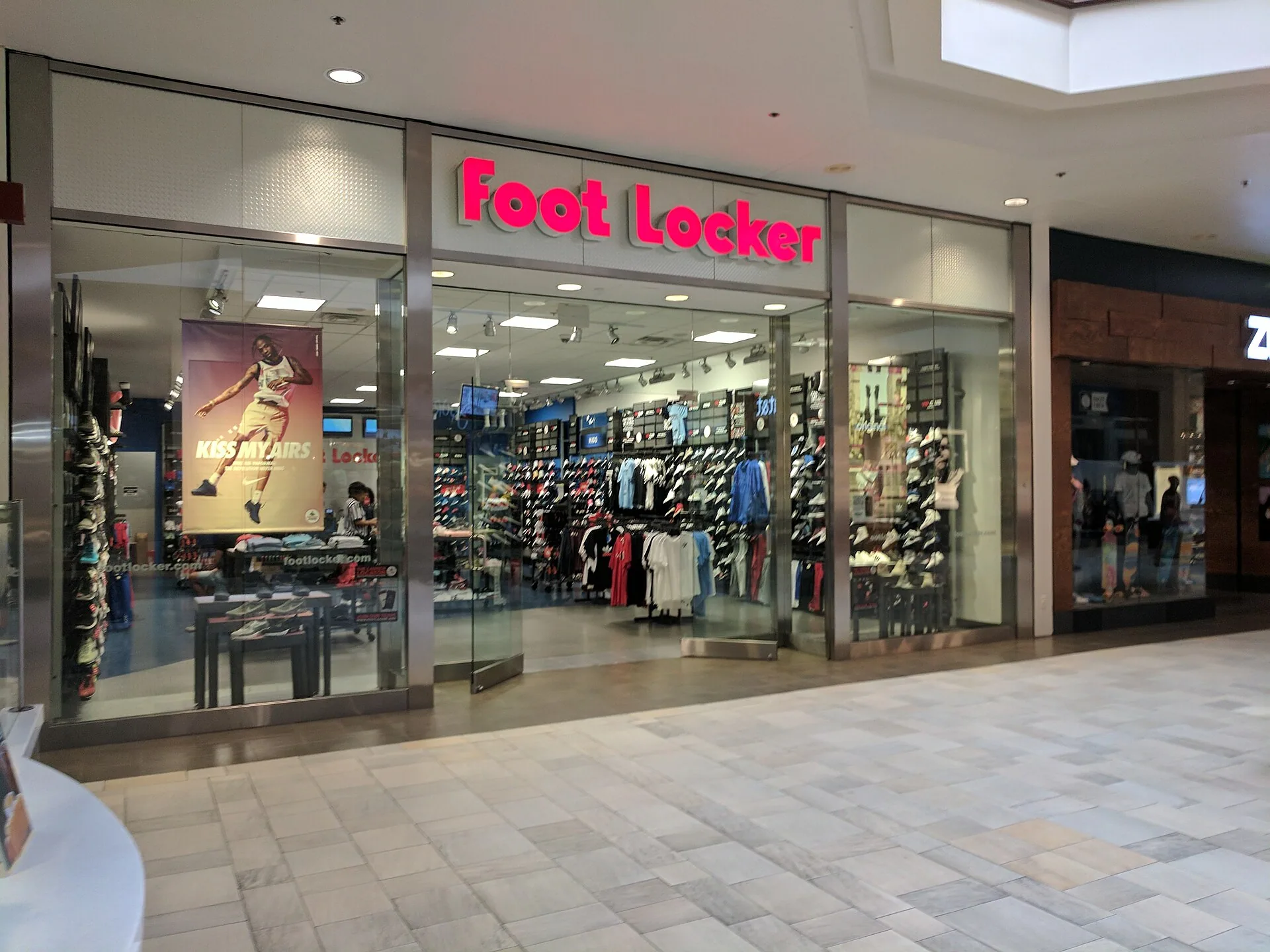
The turn came in a single year: 1962. Woolworth answered the new discount age with Woolco, its own chain of large discount stores — and 1962 was also the year the S. S. Kresge Company opened Kmart, Dayton's opened Target, and Sam Walton opened his first Wal-Mart. Woolworth had built a discounter of its own and still lost the discount century, because the company's attention went elsewhere. From the 1980s it drifted away from its five-and-dime roots toward specialty retail: it had acquired the Kinney Shoe Corporation in 1963, and in 1974 Foot Locker was founded under Kinney. The mall chains got the investment and the future. The five-and-dimes were left to age.
The verdict of the market arrived in March 1997. On 17 March, the Dow Jones Industrial Average dropped Woolworth's from its thirty stocks — and handed its seat to Walmart. Four months later, on 17 July 1997, the company announced what the index had already said: it would close its remaining U.S. five-and-dime stores, more than four hundred of them, lay off about 9,200 workers — some eleven percent of its workforce — and take a charge of 223 million dollars. About a hundred of the locations were to live on converted, as Foot Locker or Champs Sports stores.
STAT CARD 2,850 stores worldwide → 0 in the U.S. The company's own count of its stores, across several countries, in 1954 — and the number of U.S. five-and-dimes left after the company closed the last of them in 1997.
There was no bankruptcy. The company simply retired its own name. The chain that had begun with a failed store in Utica in 1879 ended not with a court order but with a press release, issued by a solvent corporation that had already decided to be something else.
Visual interlude
Reading section 05
The Afterlife
What the something else was had been visible for years: sneakers. On 12 June 1998 the corporation renamed itself Venator Group, and on 20 October 2001 it renamed itself again — Foot Locker, Inc. The five-and-dime survives as a sneaker chain: the same corporation, legally continuous with Frank Woolworth's company, selling athletic shoes from the mall stores it had drifted toward while the five-and-dimes aged. The story has not stopped moving since: in May 2025, Dick's Sporting Goods announced a deal to buy Foot Locker, Inc. for 2.4 billion dollars.
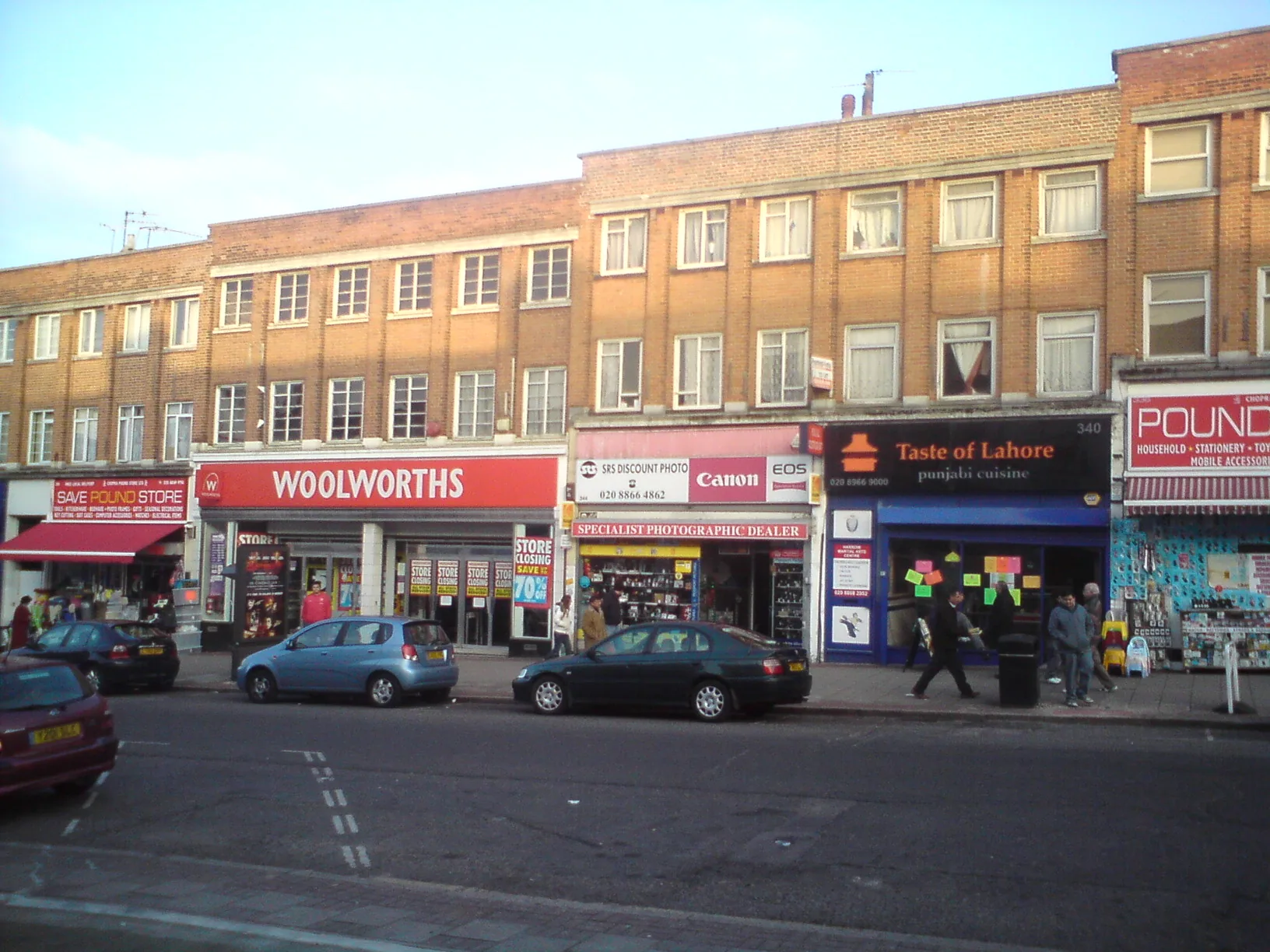
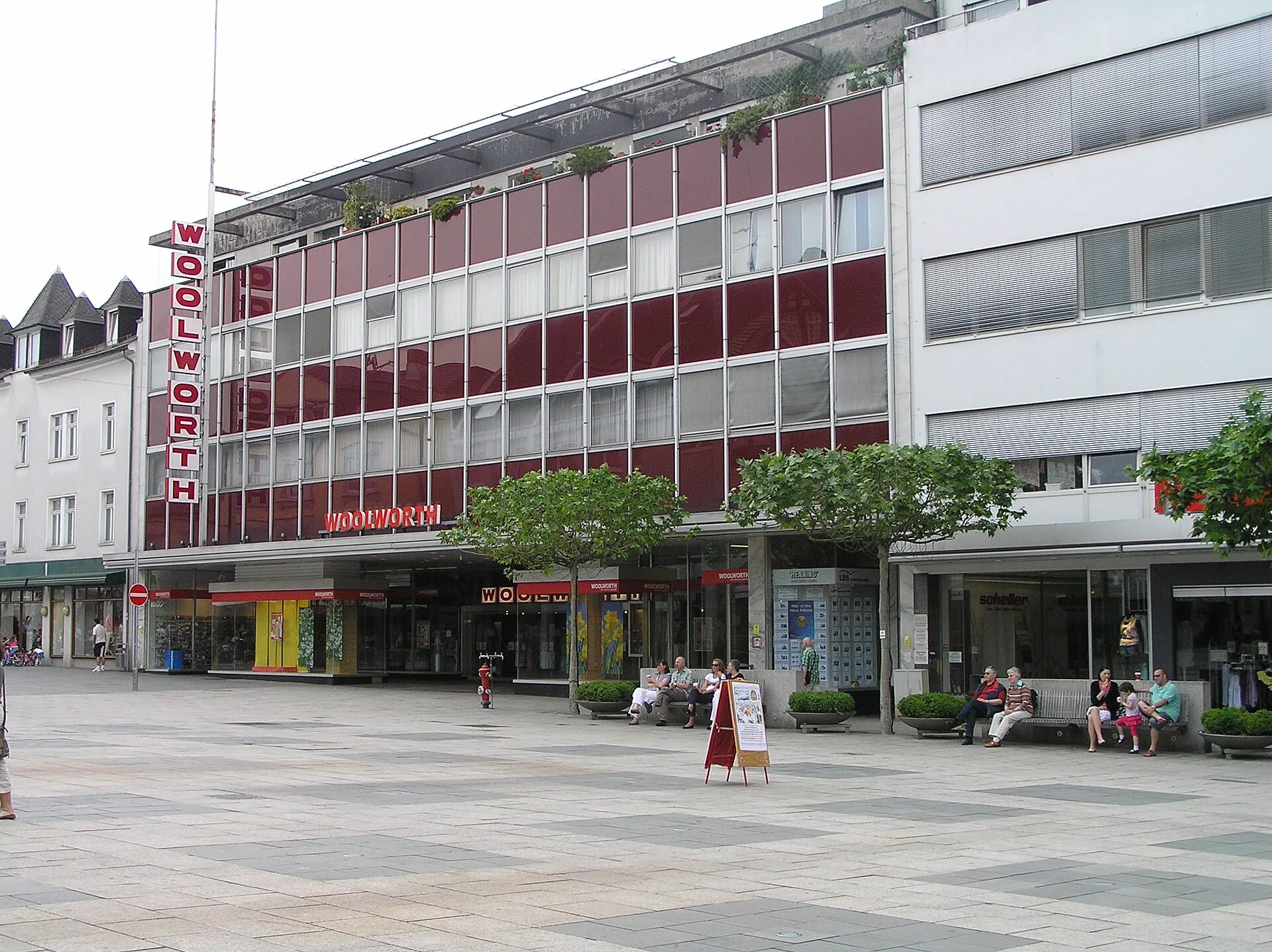
Abroad, the name is three separate stories, and only one of them is a survival. Britain's Woolworths had been the British unit of the company until it was divested and became a separate company in 1982; it died alone, entering administration on 26 November 2008 and closing the last of its 807 shops by 6 January 2009, with some 27,000 jobs. South Africa's Woolworths was never related to the American company at all — and neither was Australia's, which likewise took the name with no other connection. Germany's Woolworth is the genuine former subsidiary: founded in 1927 as the company's German unit, independent since 1998, it survived its own insolvency in 2009 and still trades today, with about 620 stores in Germany by early 2024.
Visual interlude
Reading section 06
The Verdict
So what actually killed Woolworth's? Nothing attacked it, and it did not fall. The register's verdict is the plainest one in this series: the five-and-dime model faded against discount chains and malls. The discounters who opened in 1962 took the low-price trade the five-and-dime had invented; the malls took the shoppers; and the company's own management, decade by decade, moved its money and its hopes into specialty stores and let the original format grow old. When the end came in 1997, it came as a decision — the corporation weighed its own founding business and chose to close it.
That is why this channel files Woolworth's as dead, with an asterisk no other episode carries in quite the same way. The U.S. five-and-dime chain — the stores, the counters, the thirty-nine-cent banana split — closed for good in 1997. The company that owned it never died at all; it changed its name twice and sells sneakers. The tower still stands over Broadway. The counters are gone.
Visual interlude
Reading section 07
Timeline
Visual interlude
Reading section 08
Sources & image credits
Sources. Founding, the Utica failure and the Lancaster success (the founding dates; the five-cent model, the dime line following) — Library of Congress, This Month in Business History; the National Park Service's National Register nomination for the Woolworth Building; the episode's fact log, citing Winkler (2017) and the Tredyffrin Easttown Historical Society Quarterly. The 596-store merger of 1912 — the company's own 1979 centennial history ("596 stores"); Library of Virginia, UncommonWealth (F3). The Woolworth Building (opened 24 April 1913; 792 feet; tallest in the world 1913–1930; cost 13.5 million dollars paid entirely in cash, no mortgage) — NPS National Register nomination (NRHP 66000554); Tribeca Trib; The Real Deal (F4). The 1954 peak (the company "consists of 2,850 stores with annual sales of 700 million dollars" — the centennial history's Diamond Anniversary chronology entry, in the collected annual reports volume on archive.org) and its scope (the consolidated company count across several countries, pre-Kinney; the separately incorporated British company treated apart) — F5. A magazine figure of 3,290 stores for 1959 (TIME, 31 August 1959) could not be verified at source and is corroborated nowhere, so it is not used; the widely repeated "3,000 stores in the U.S. alone" is a scope error and is not used either. The lunch counters as gathering places — the episode's fact log (F6). The banana-split price (Super Jumbo Banana Split, 39 cents, the menu's largest dessert item) — a period F. W. Woolworth Co. lunch-counter menu (revision REV. 9-50, c. 1950), corroborated by WITL (Townsquare Media, 1 October 2024) (F10). Greensboro (the four students named in F7; 132 South Elm Street; refusal of service; desegregation 25 July 1960; the building now the International Civil Rights Center & Museum, opened 1 February 2010; the counter section at the Smithsonian) — Smithsonian Magazine; NCpedia; the museum's record (F7). The 1962 openings and Woolco — the episode's fact log (F8). The drift to specialty retail, the Kinney acquisition of 1963 and Foot Locker's founding in 1974 under Kinney — F9. The Dow swap (17 March 1997) — the S&P Dow Jones Indices historical-components record (F11). The end (announced 17 July 1997; more than 400 stores; about 9,200 jobs, some eleven percent of the workforce; a 223 million dollar charge; about a hundred conversions to Foot Locker or Champs Sports) — International Directory of Company Histories; Spokesman-Review (18 July 1997) (F12). No bankruptcy; the corporation's legal continuity into Foot Locker, Inc. — F13. The renames (Venator Group, 12 June 1998; Foot Locker, Inc., 20 October 2001) and the Dick's Sporting Goods announcement (15 May 2025; 2.4 billion dollars) — F14, the announcement per Reuters. The namesakes — Britain: divested and separate in 1982; administration 26 November 2008; all 807 shops closed by 6 January 2009, about 27,000 jobs (Woolworths Museum; F15). South Africa: never had any connection with the American company; Australia: the name taken with no other connection (F15). Germany: founded 1927 as the German unit; independent since 1998; insolvency survived in 2009; about 620 stores in Germany by early 2024, still trading (Woolworths Museum; F15). Headquarters (the Woolworth Building, until Venator moved in 1999) — F17.
Image credits (licenses as logged in the episode's LICENSE-LOG.md at download, November 2026; Commons file-page URLs are not part of the episode source set and are not linked):
Dates. Published: 2026-11-13 · Last verified: 2026-11-11 · Updated: 2026-11-13
Author: Ronin Naodhinsuk
Woolworth's, Woolworth, Woolco, Foot Locker, Champs Sports, Kmart, Target, Walmart, and all other brand names and logos mentioned in this article are trademarks of their respective owners. The Record Institute is an independent archive and is not affiliated with, endorsed by, or connected with Foot Locker, Inc. or any Woolworth company.
Next episode → No. 16: What Happened to TWA?
Visual interlude
Related Articles
- RadioShack — What Happened to RadioShack?
- TWA — What Happened to TWA?
- Kmart — What Happened to Kmart?