Est. MMXXVI — The Record Institute

The Time Traveler's Dossier

Navigate through ten curated exhibition halls, each a portal to a different chapter in the history of commercial art, industrial design, and cultural persuasion.

Curated Collections

The Record's Archival Universe

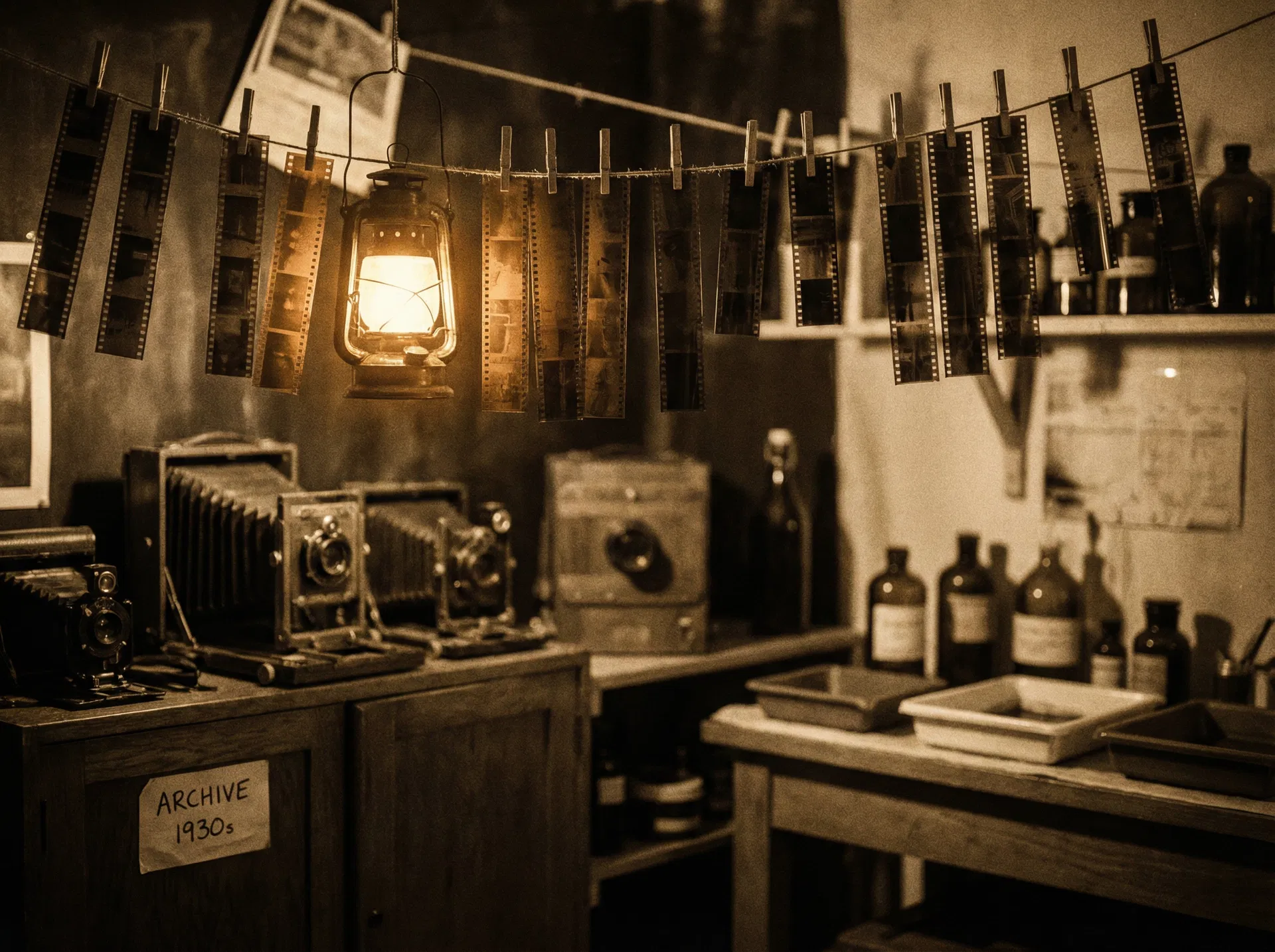
The Silver Halide Archive — The Record Institute Exhibition Hall

Photography & Film

The Silver Halide Archive

Vintage photography, darkroom processes, and the art of analog image-making. From daguerreotypes to Kodachrome, every grain tells a story.

Enter Exhibition
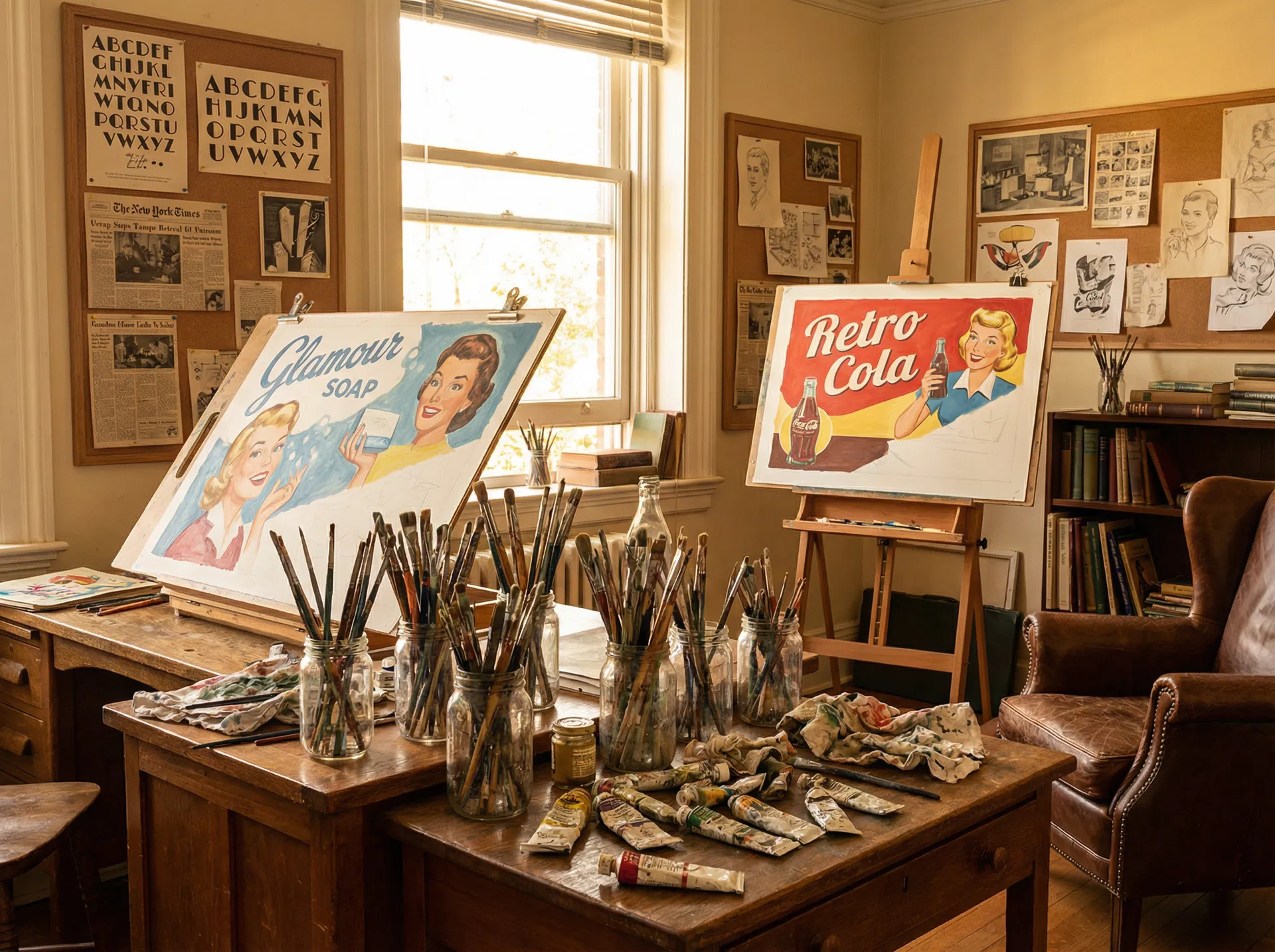
The Creator's Codex — The Record Institute Exhibition Hall

Art & Illustration

The Creator's Codex

The master illustrators and designers who shaped the golden age of advertising. Mandatory details on the historical figures behind the brushstrokes.

Enter Exhibition
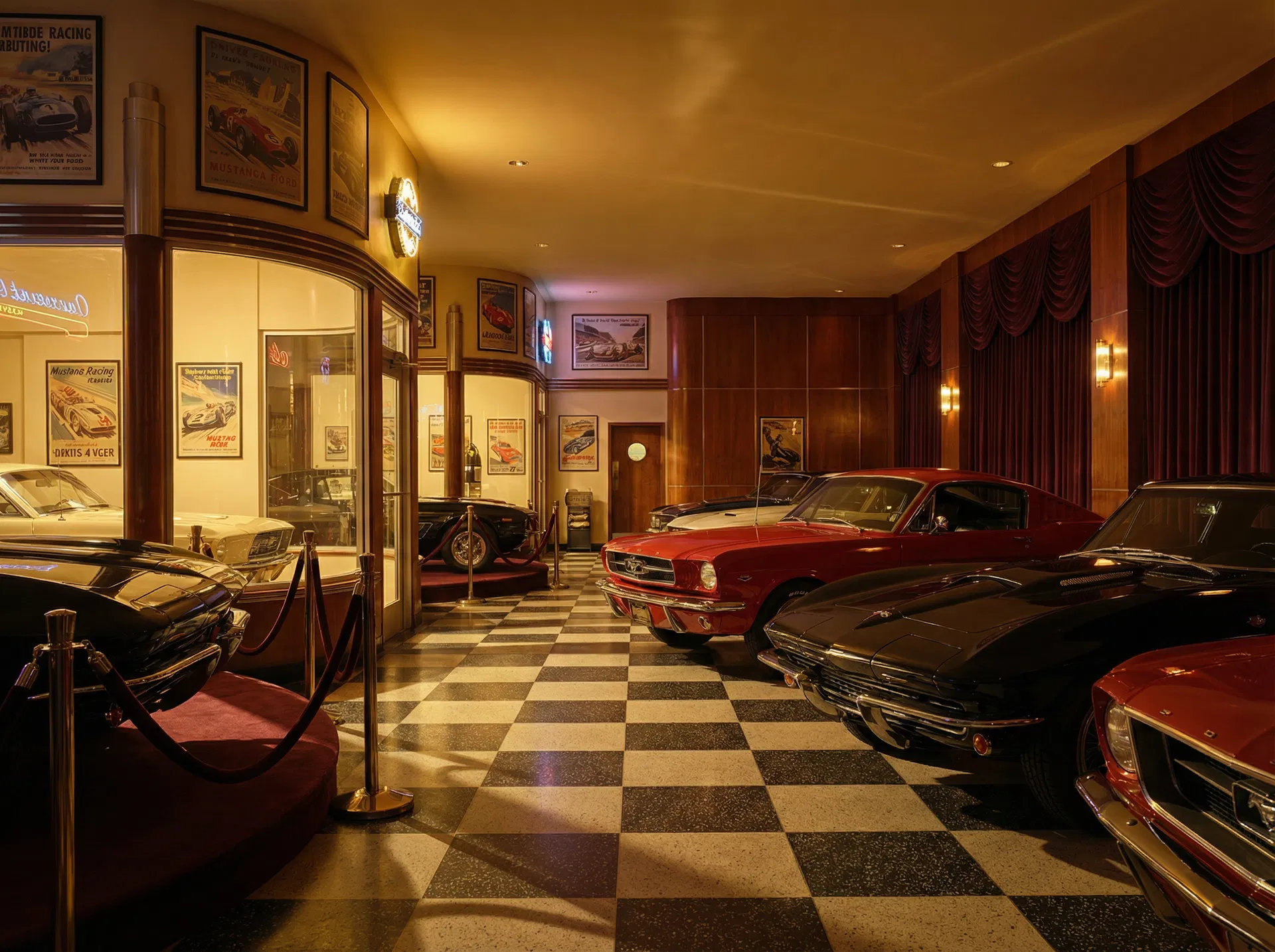
The Combustion Chronicles — The Record Institute Exhibition Hall

Automotive

The Combustion Chronicles

Classic automobiles, racing heritage, and the chrome-plated dreams of the open road. From Detroit muscle to European grand tourers.

Enter Exhibition
The Steel Steed Registry — The Record Institute Exhibition Hall

Motorcycles

The Steel Steed Registry

Two-wheeled legends from cafe racers to choppers. The rebel machines that defined freedom on the open highway.

Enter Exhibition
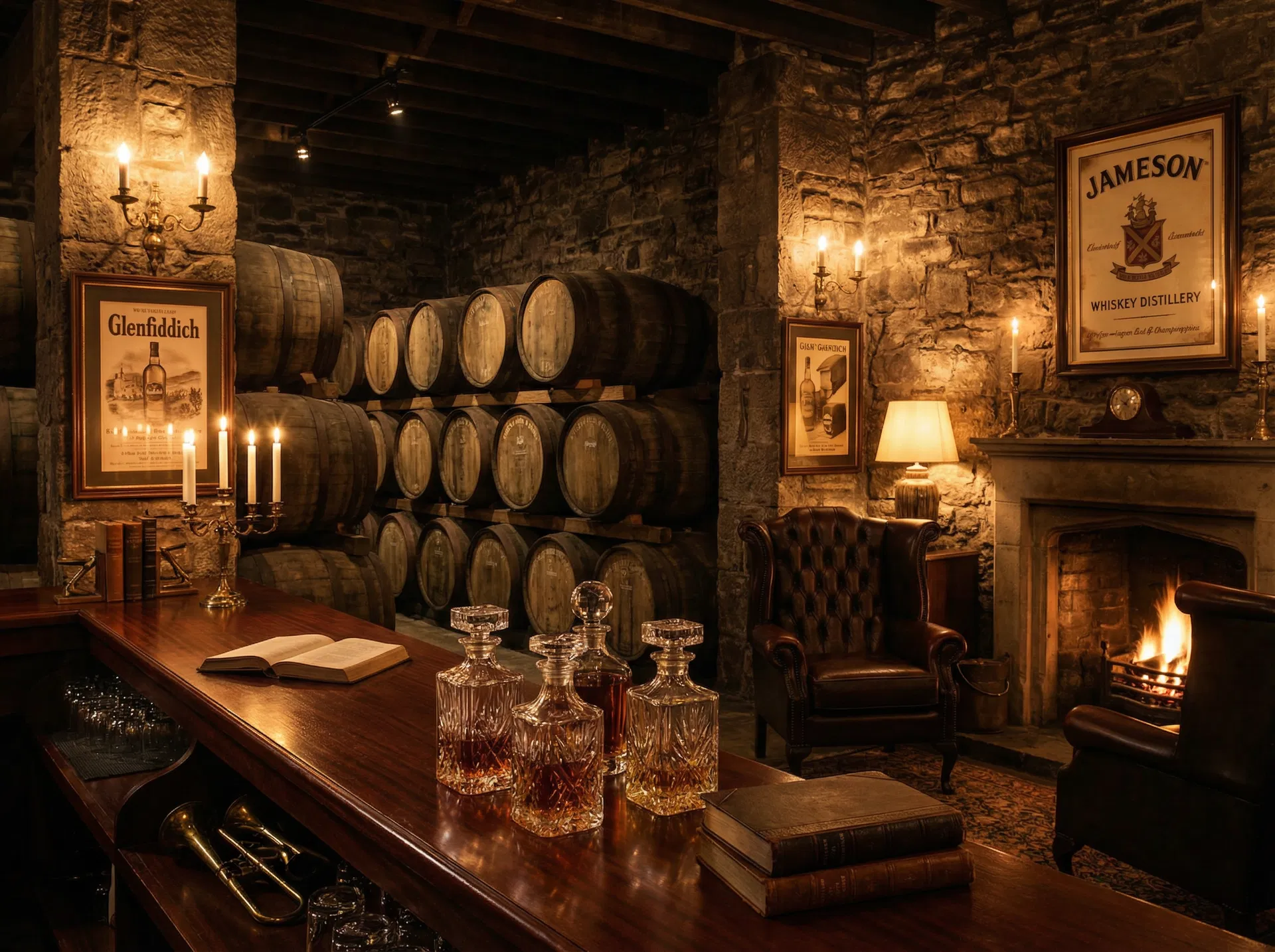
The Distiller's Dossier — The Record Institute Exhibition Hall

Spirits & Beverages

The Distiller's Dossier

The art of the pour — whiskey, wine, and the liquid gold that fueled a century of advertising artistry.

Enter Exhibition
The Ember Ledger — The Record Institute Exhibition Hall

Tobacco

The Ember Ledger

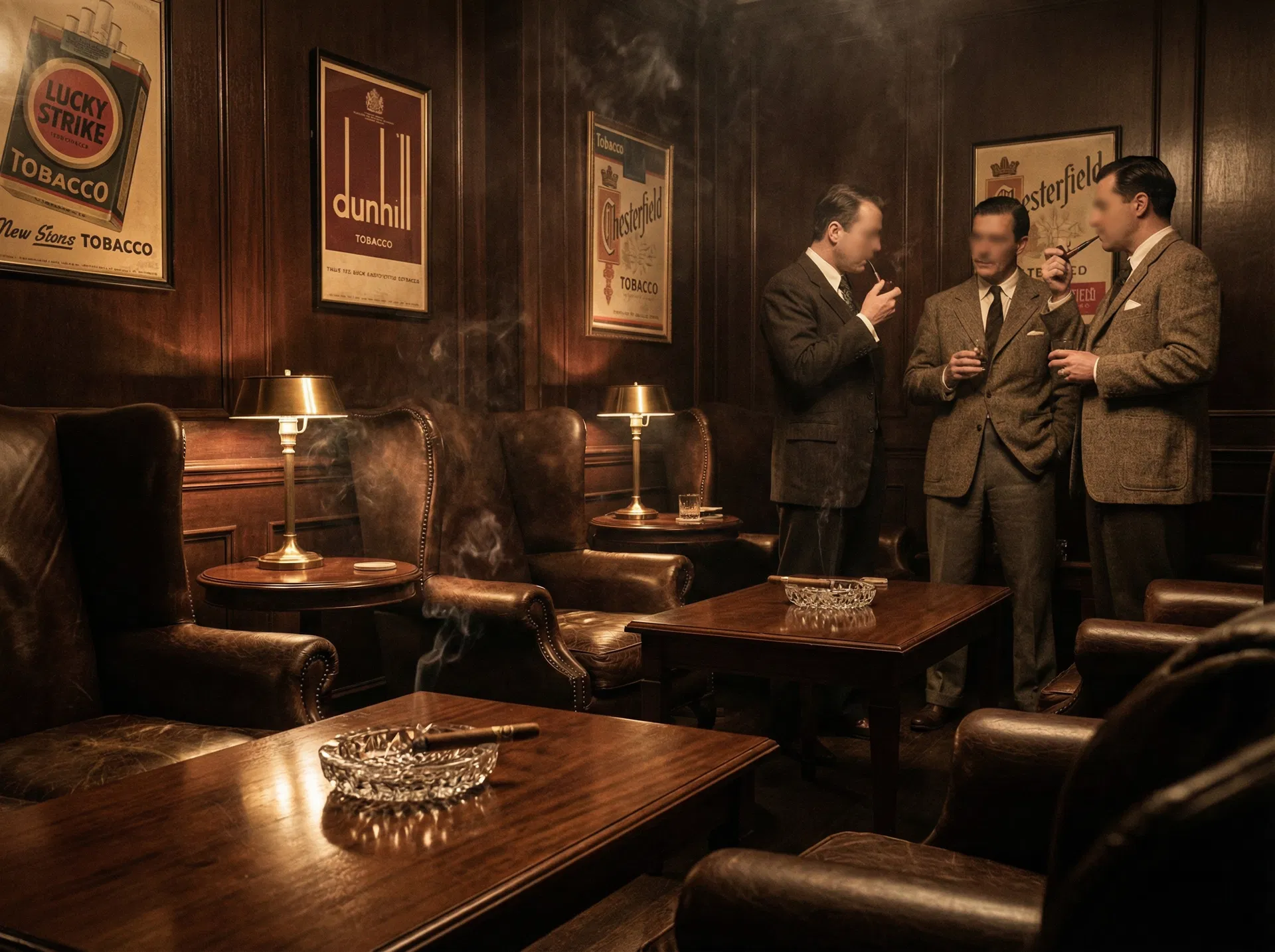
A controversial chapter in advertising history. The tobacco campaigns that defined an era of persuasion and visual storytelling.

Enter Exhibition
The Heritage Vault — The Record Institute Exhibition Hall

Fashion & Luxury

The Heritage Vault

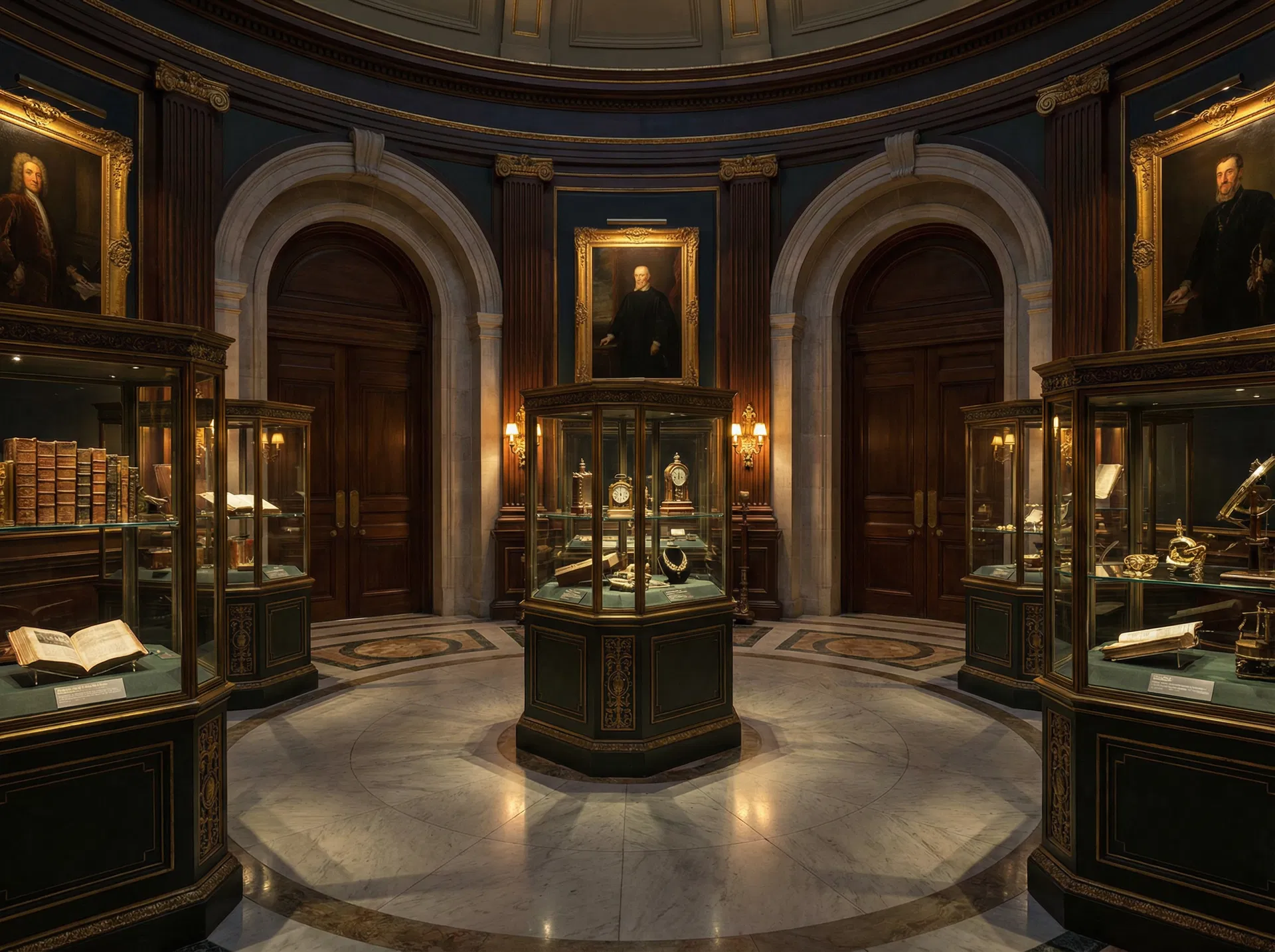
Haute couture, luxury goods, and the timeless elegance of heritage brands. Where craftsmanship meets commercial art.

Enter Exhibition
The Silicon Dawn Blueprint — The Record Institute Exhibition Hall

Technology

The Silicon Dawn Blueprint

From vacuum tubes to microchips — the dawn of the digital age as told through its most ambitious advertisements.

Enter Exhibition
The Horologist's Index — The Record Institute Exhibition Hall

Watches & Timepieces

The Horologist's Index

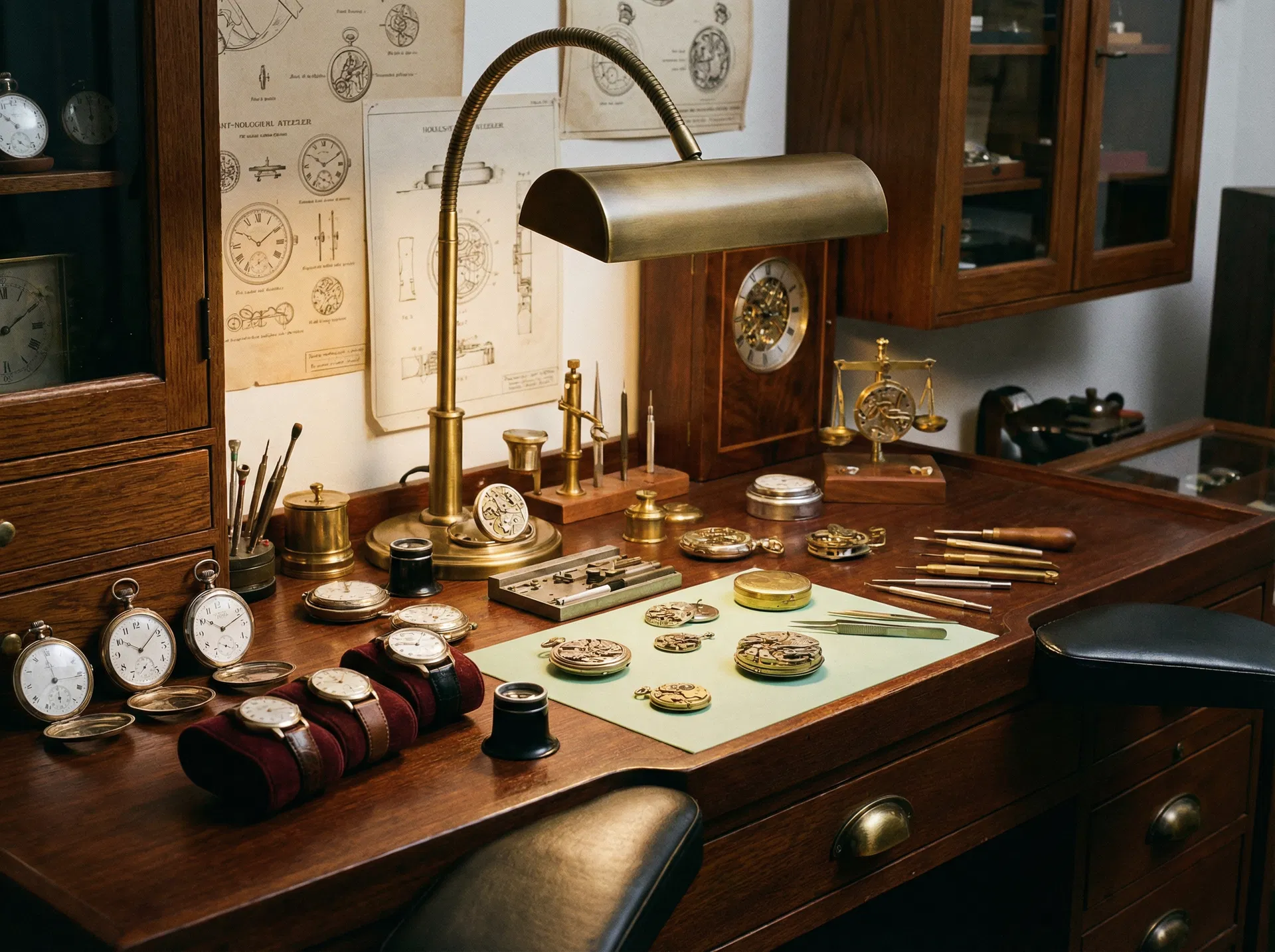
The precision and artistry of timekeeping. Swiss movements, vintage dials, and the advertising that made time a luxury.

Enter Exhibition
The Ephemeral Protocol — The Record Institute Exhibition Hall

Patina & Rarity

The Ephemeral Protocol

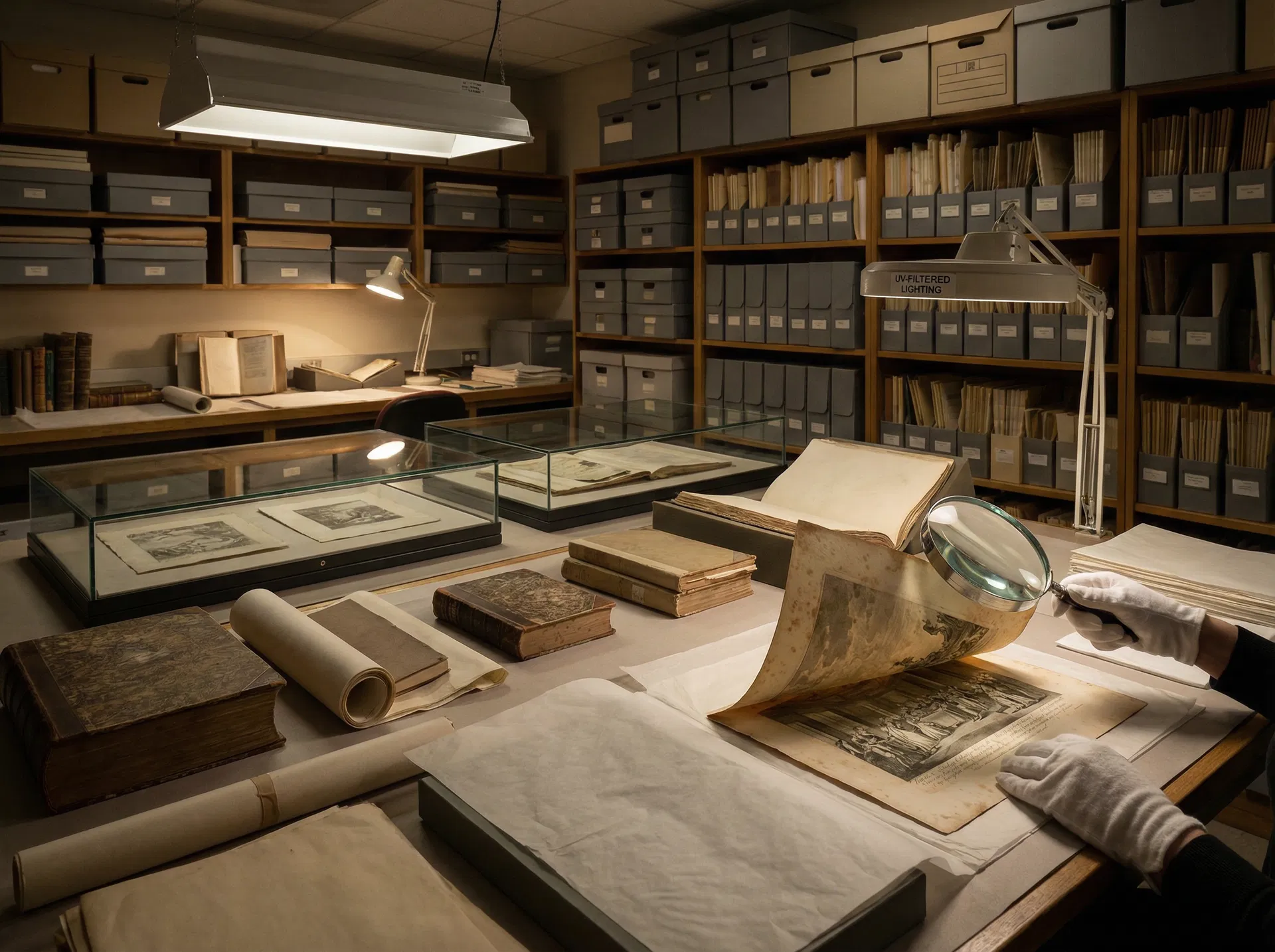
The science of preservation and the beauty of age. Strict focus on patina, foxing, paper degradation, and what makes a print truly rare.

Enter Exhibition

Latest Dispatches

From the Archive

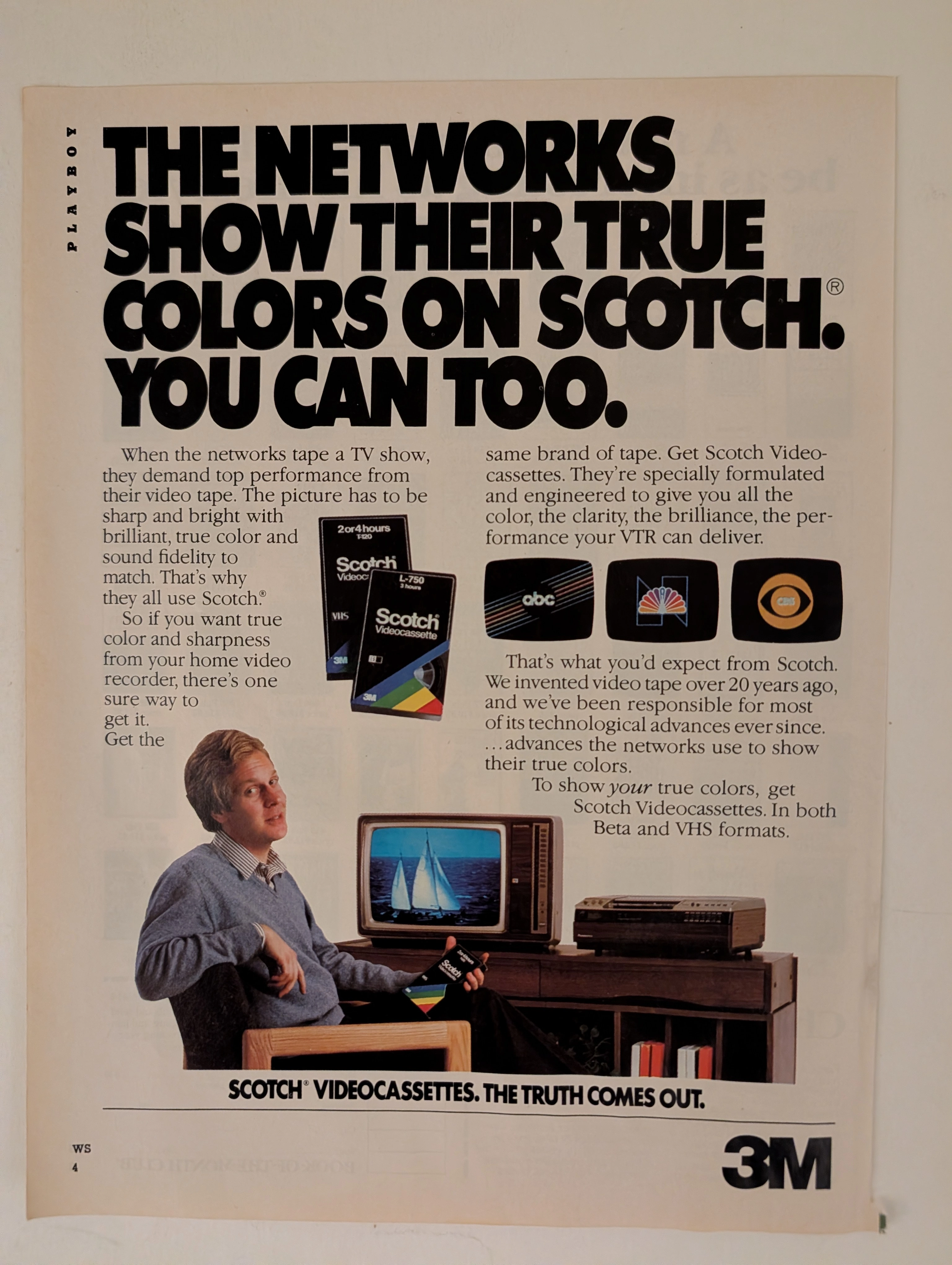
The Time Traveller's Dossier : 3M Scotch Videocassettes - The Dawn of the Living Room Revolution — The Record Institute Journal
115

Featured

The Time Traveller's Dossier : 3M Scotch Videocassettes - The Dawn of the Living Room Revolution

We often memorialize the late 1970s and early 1980s through the superficial lenses of neon aesthetics, synth-pop music, and Cold War anxieties. However, strictly through the perspective of consumer technology, this era represents one of the most profound paradigm shifts in human history: "The Living Room Revolution." Prior to the commercial viability of the Video Cassette Recorder (VCR), television viewers were entirely subservient to the broadcast schedules of major networks. If you missed a Thursday night broadcast, that cultural moment was lost to the ether. The consumer was a passive receiver of scheduled programming. This artifact—a print advertisement for 3M Scotch Videocassettes—is a primary historical document capturing the exact moment the consumer was handed the power of "Time-Shifting." This advertisement is not merely selling a plastic cassette filled with magnetic tape. It is selling autonomy. It is selling the democratization of the television screen. Furthermore, hidden within its visual layout is a physical snapshot of the most aggressive corporate battlefield of the late 20th century: the infamous "Format War" between JVC’s VHS and Sony’s Betamax.

Technology
April 12, 2026Read
The Time Traveller's Dossier : VW Type 3 Automatic - The Compromise of Engineering — The Record Institute Journal
97
April 12, 2026

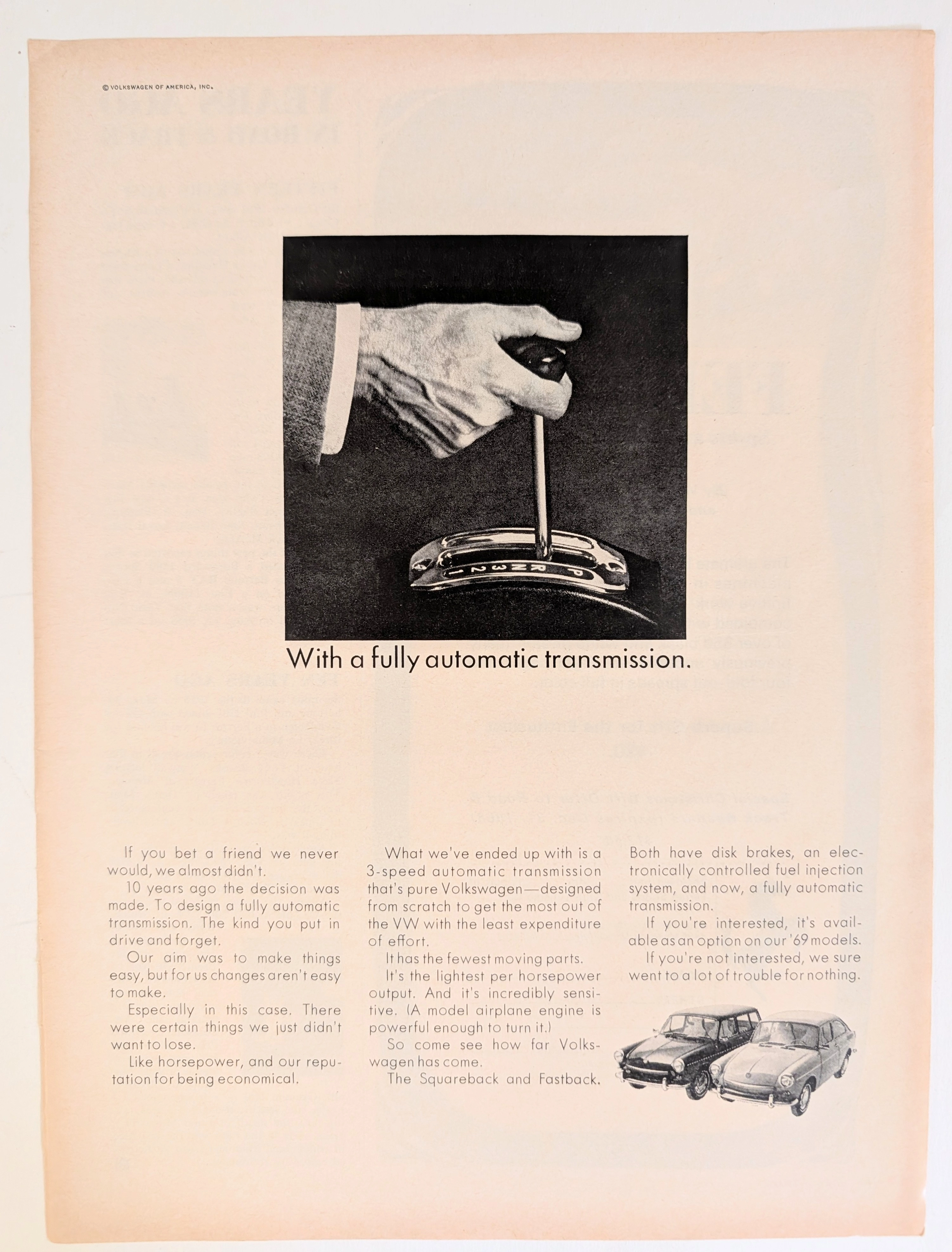
The Time Traveller's Dossier : VW Type 3 Automatic - The Compromise of Engineering

We often remember early Volkswagen history through the lens of simplicity, air-cooled engines, and rugged manual transmissions. But as the American market matured, the demand for comfort began to clash with the brand's original philosophy. This document is historical evidence capturing that moment of compromise. It is not just a car advertisement; it is an engineering confession and a declaration. After a decade of hesitation, Volkswagen of America introduced a fully automatic transmission for the 1969 models. It is a turning point showing that even the most stubborn brand had to adapt to the American consumerism trend that sought ultimate convenience.

Art & IllustrationAutomotive+1
Read More
The Time Traveller's Dossier : Alfa Romeo 8C 2900B Touring Berlinetta - The Apex of Pre-War Velocity — The Record Institute Journal
118
April 12, 2026

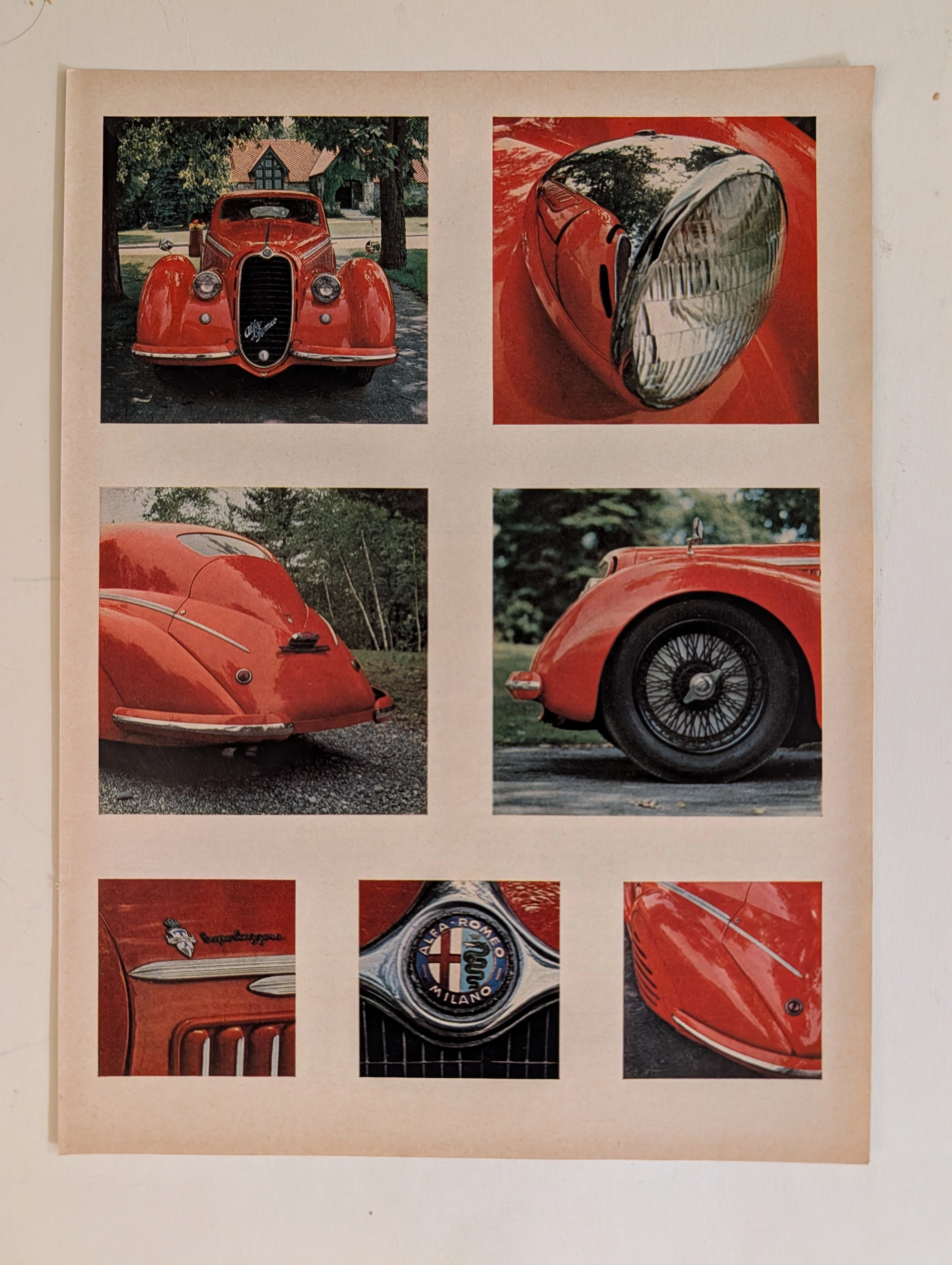
The Time Traveller's Dossier : Alfa Romeo 8C 2900B Touring Berlinetta - The Apex of Pre-War Velocity

We categorize automotive history into the eras before and after aerodynamics. Prior to the late 1930s, luxury meant upright, carriage-like monuments of steel. Speed was achieved through brute force, pushing flat radiators and exposed fenders through the atmosphere. Then came the marriage of Vittorio Jano's Grand Prix engineering and Carrozzeria Touring's wind-cheating architecture. This artifact is a meticulous dissection of that paradigm shift. It is a photographic autopsy of the Alfa Romeo 8C 2900B Touring Berlinetta. The problem was the physics of atmospheric drag at high speeds. The solution was "Superleggera"—super-light aluminum stretched over thin steel tubes, shaped not by tradition, but by the wind itself.

Photography & FilmPatina & Rarity+1
Read More
The Time Traveller's Dossier : VW Scirocco - The Democratization of Velocity — The Record Institute Journal
125
April 11, 2026

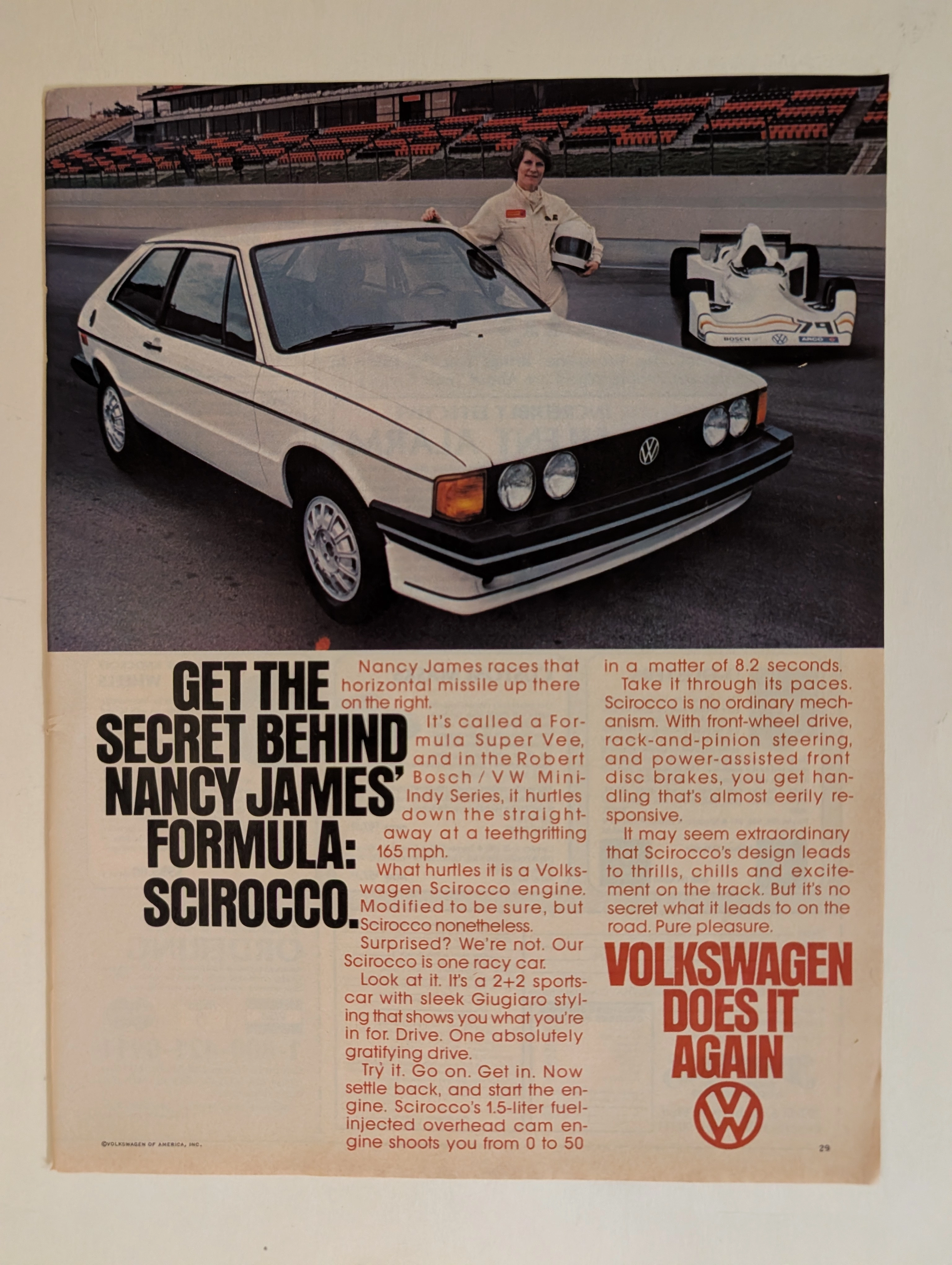
The Time Traveller's Dossier : VW Scirocco - The Democratization of Velocity

We measure automotive history by the architectures that define it. For decades, the global standard for accessible mobility was curved, air-cooled, and rear-engined. The Volkswagen Beetle was an institution of utilitarian survival. But by the mid-1970s, survival was no longer sufficient. The world demanded forward momentum. The global fuel crisis of 1973 had altered the economic atmosphere. The American muscle car was dying under the weight of its own inefficiency. The Japanese imports were rewriting the rules of reliability. Volkswagen faced an existential precipice. Their solution was a violent pivot in engineering philosophy. This artifact documents that exact, definitive rupture in their timeline. It is not merely a car advertisement. It is a public declaration that the era of the air-cooled curved line was dead. The problem was an aging product line trapped in an obsolete paradigm. The solution was a water-cooled, front-wheel-drive wedge, validated on the racetrack and sold to the public.

Photography & FilmAutomotive+1
Read More
1950s Piper-Heidsieck, Remy Martin & Cointreau Vintage Advertisement — The Record Institute Journal
102
April 11, 2026

1950s Piper-Heidsieck, Remy Martin & Cointreau Vintage Advertisement

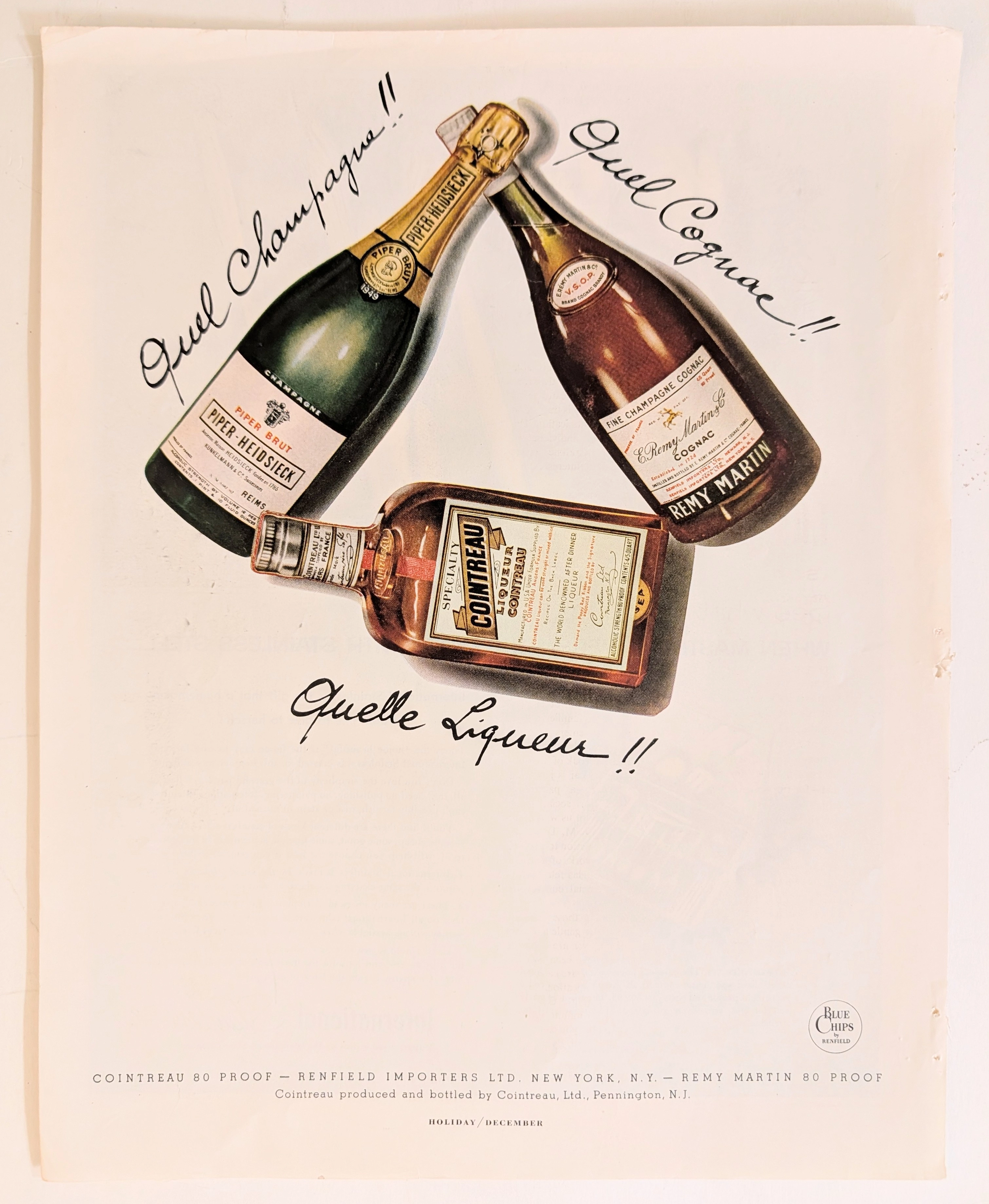
We chart human progress not just by the weapons we forge, but by the liquids we consume. Prior to the mid-twentieth century, luxury was bound by geography. The European aristocracy drank Champagne. The American working class drank beer and domestic whiskey. The ocean was a formidable barrier to the democratization of indulgence. Then came the post-war economic boom. A paradigm shift forged in surplus capital and a new global consciousness. This artifact is not merely a holiday advertisement. It is a documented socio-economic treaty. It is Renfield Importers declaring that European heritage could be commodified, imported, and utilized as social currency. The problem was a newly affluent American middle class desperate for cultural validation. The solution was the linguistic and physical importation of French sophistication, rebranded as a Wall Street asset.

TobaccoPatina & Rarity
Read More
The Time Traveller's Dossier : 1980 Fuzzbuster Elite - The Architecture of Electronic Insurgency — The Record Institute Journal
112
April 8, 2026

The Time Traveller's Dossier : 1980 Fuzzbuster Elite - The Architecture of Electronic Insurgency

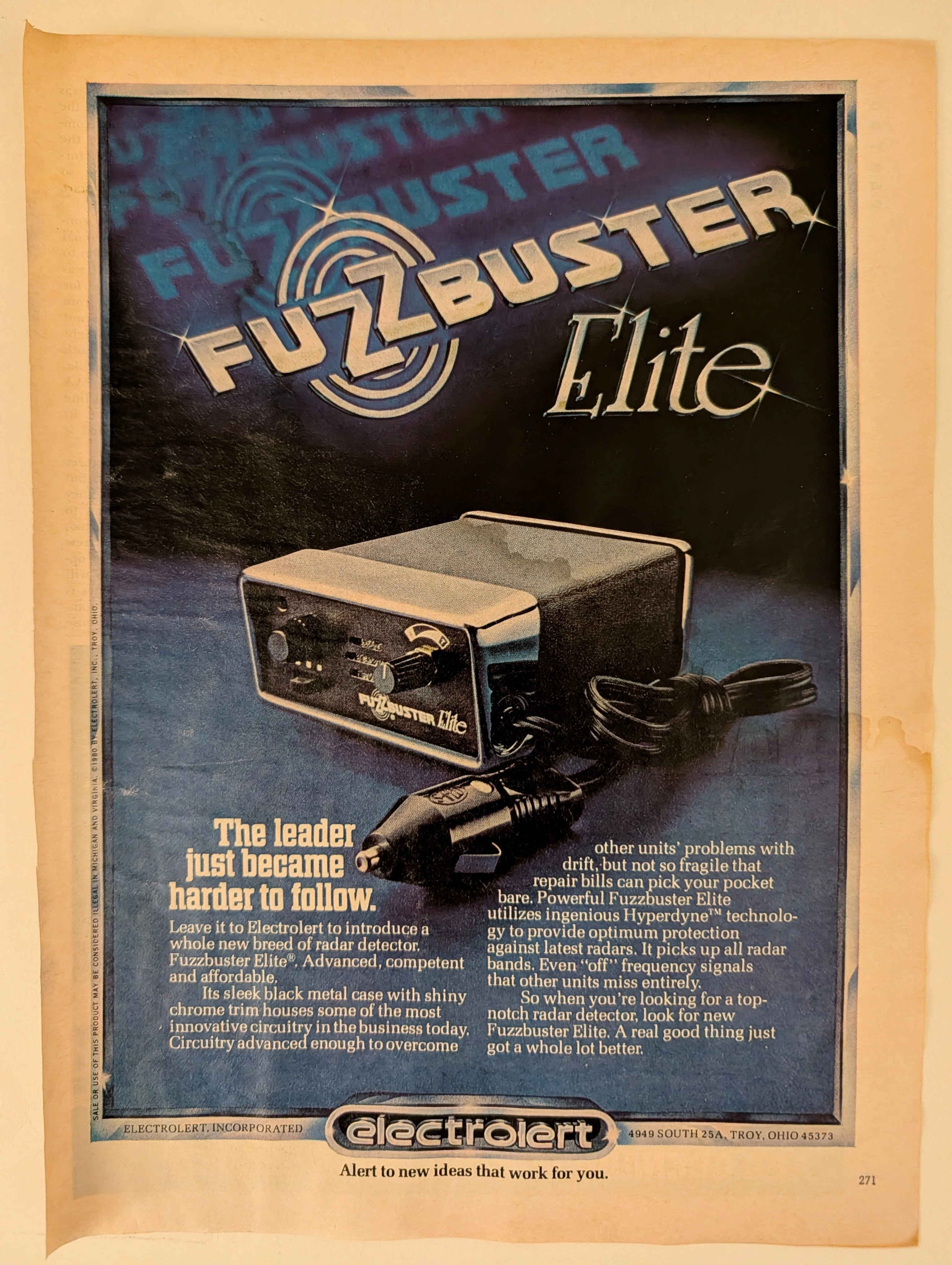
We are observing an artifact of a silent, invisible war. Before this era, the American highway was marketed as a vector of absolute, unbridled freedom. The automobile was the ultimate vessel of personal sovereignty. Here, the paradigm shifts into something darker. The open road has become a zone of constant surveillance. The state has weaponized the electromagnetic spectrum to monitor and penalize the citizen. In response, the citizen weaponized the dashboard. This is the 1980 Fuzzbuster Elite by Electrolert. It is not a car accessory. It is a piece of civilian counter-measures equipment. In an era defined by the deeply unpopular 55 MPH national speed limit and the rise of police microwave radar, this device commodified paranoia. It packaged civil disobedience into a sleek, chrome-trimmed metal box that plugged directly into a cigarette lighter. It represents the exact moment when the act of driving transitioned from a physical experience into an electronic arms race.

Automotive
Read More
The Time Traveller's Dossier : Datsun 280-ZX - The GT Shift — The Record Institute Journal
96
April 8, 2026

The Time Traveller's Dossier : Datsun 280-ZX - The GT Shift

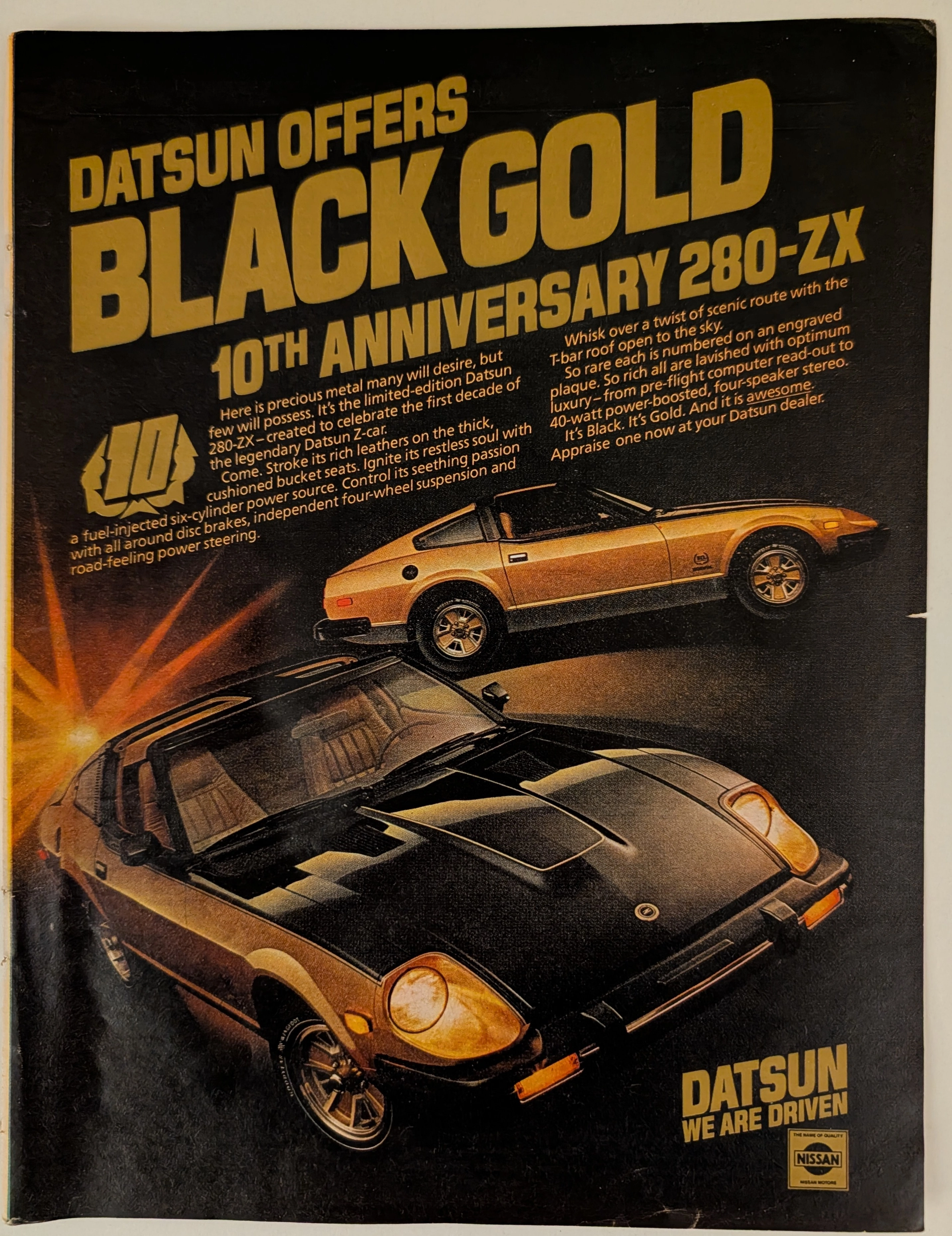
Then. The sports car was a visceral punishment. A machine of raw mechanical feedback. Loud. Uncomfortable. Temperamental. It demanded physical sacrifice in exchange for kinetic velocity. It was a weekend indulgence, entirely divorced from daily comfort. Now. The sports car is an isolated, luxurious capsule. It is a computational network rolling on synthetic rubber. It prioritizes atmospheric control, acoustic perfection, and passenger comfort alongside acceleration. It is a sanctuary of speed. The artifact before us documents the precise architectural bridge between these two eras. The year is 1980. The vehicle is the Datsun 280-ZX 10th Anniversary "Black Gold" edition. This is not merely a piece of automotive marketing collateral. It is the obituary of the raw, analog sports car. It is the birth certificate of the modern Personal Luxury Grand Tourer. It is the definitive moment Japanese manufacturing stopped apologizing and claimed absolute supremacy over the American highway.

Automotive
Read More
The Time Traveller's Dossier : 1980 Johnnie Walker - The Monetization of Aspiration — The Record Institute Journal
111
April 8, 2026

The Time Traveller's Dossier : 1980 Johnnie Walker - The Monetization of Aspiration

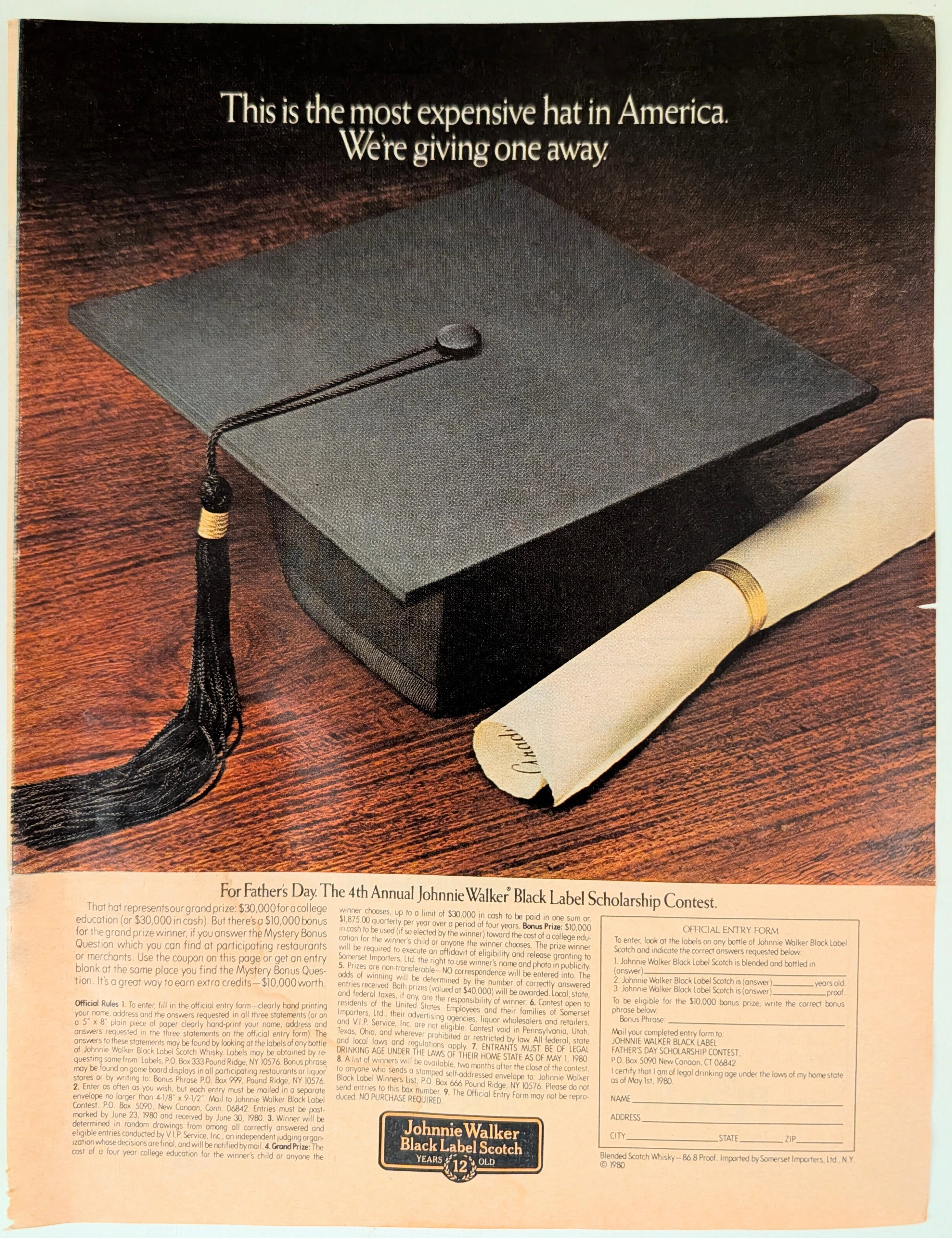
We observe a singular artifact from a transitional era. Before this moment, spirits were marketed through the lens of pure leisure. They were social lubricants, evening rewards, or markers of aristocratic isolation. Here, the paradigm shifts. The liquid is secondary. The product being sold is a legacy. In a period defined by economic stagflation, a whiskey brand bypasses the palate entirely to target the deepest anxiety of the American middle class: the rising cost of higher education. By framing a $30,000 scholarship as a Father’s Day promotion, the artifact reconciles the indulgence of premium alcohol with the noble sacrifice of parenthood. It is no longer a drink. It is a financial instrument. It is the monetization of parental hope.

Spirits & Beverages
Read More
The Time Traveller's Dossier : 1980 Vespa - The Urban Mobility Paradox — The Record Institute Journal
111
April 6, 2026

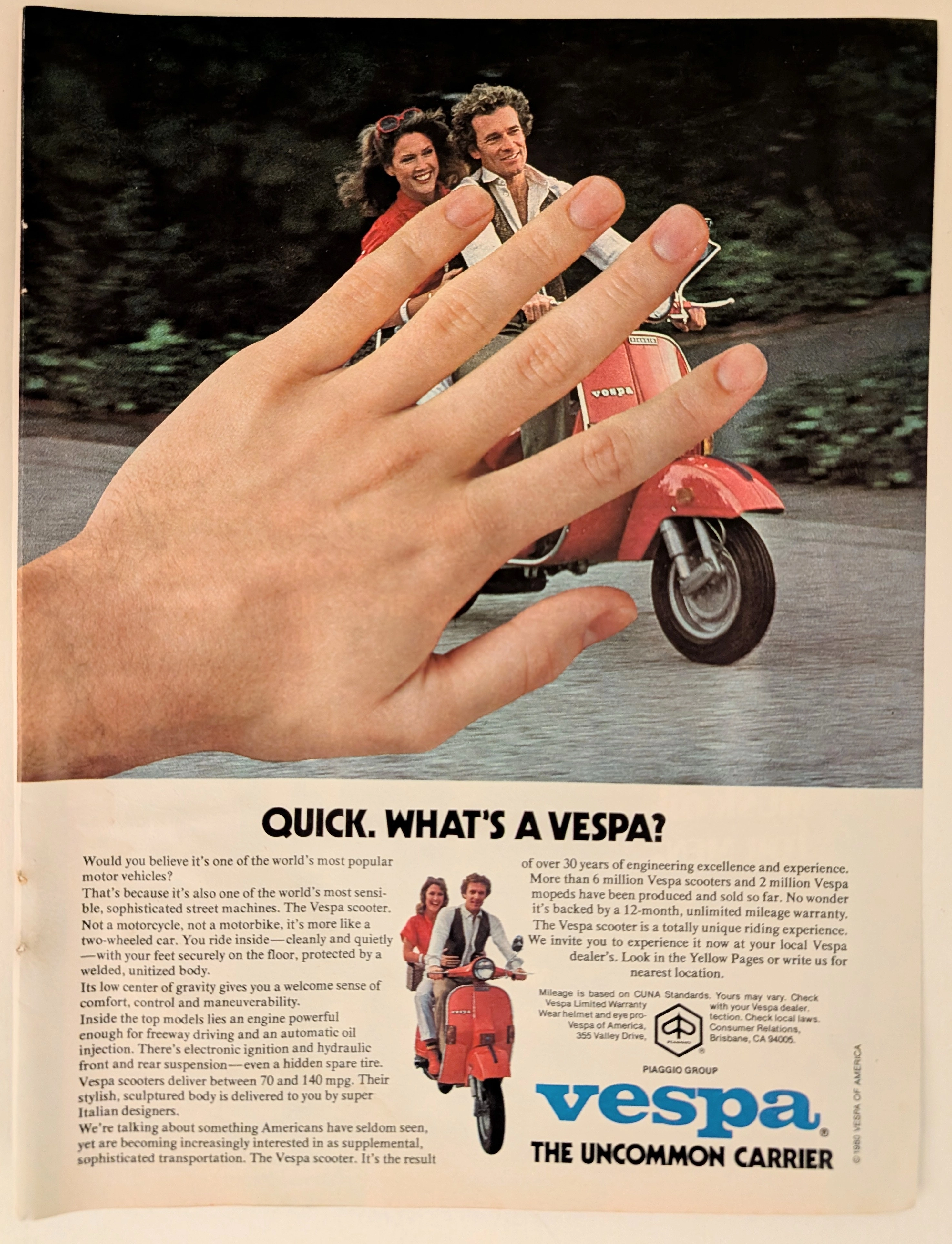
The Time Traveller's Dossier : 1980 Vespa - The Urban Mobility Paradox

Then, it was a battle against American perception. A calculated interruption of the automotive status quo. In 1980, the United States was reeling from the aftershocks of the 1979 energy crisis. Fuel lines were long. Economic anxiety was high. The era of the careless, chrome-laden V8 engine was facing a harsh, geopolitical reckoning. Yet, the American commuter remained fundamentally tethered to the concept of the automobile. Motorcycles, conversely, were culturally relegated to the domains of outlaws, rebels, or recreational thrill-seekers. This document represents Piaggio’s aggressive, intellectual attempt to force a third option into the American consciousness. It explicitly denies its own mechanical taxonomy. "Not a motorcycle, not a motorbike, it's more like a two-wheeled car." Now, it is an artifact of an alternative urban timeline. A perfectly preserved record of a European utility vehicle attempting to rebrand itself as a sophisticated, lifestyle-driven solution for a sprawling, infrastructure-hostile continent. It stands as a testament to the difficulty of importing not just a machine, but an entirely foreign philosophy of urban mobility. The shift here is cultural and infrastructural. It marks the moment a machine born out of post-war European poverty attempted to pivot into an emblem of American suburban sophistication.

Read More
The Time Traveller's Dossier : 1970 Dayton Quadra - The Radial Shift — The Record Institute Journal
113
April 4, 2026

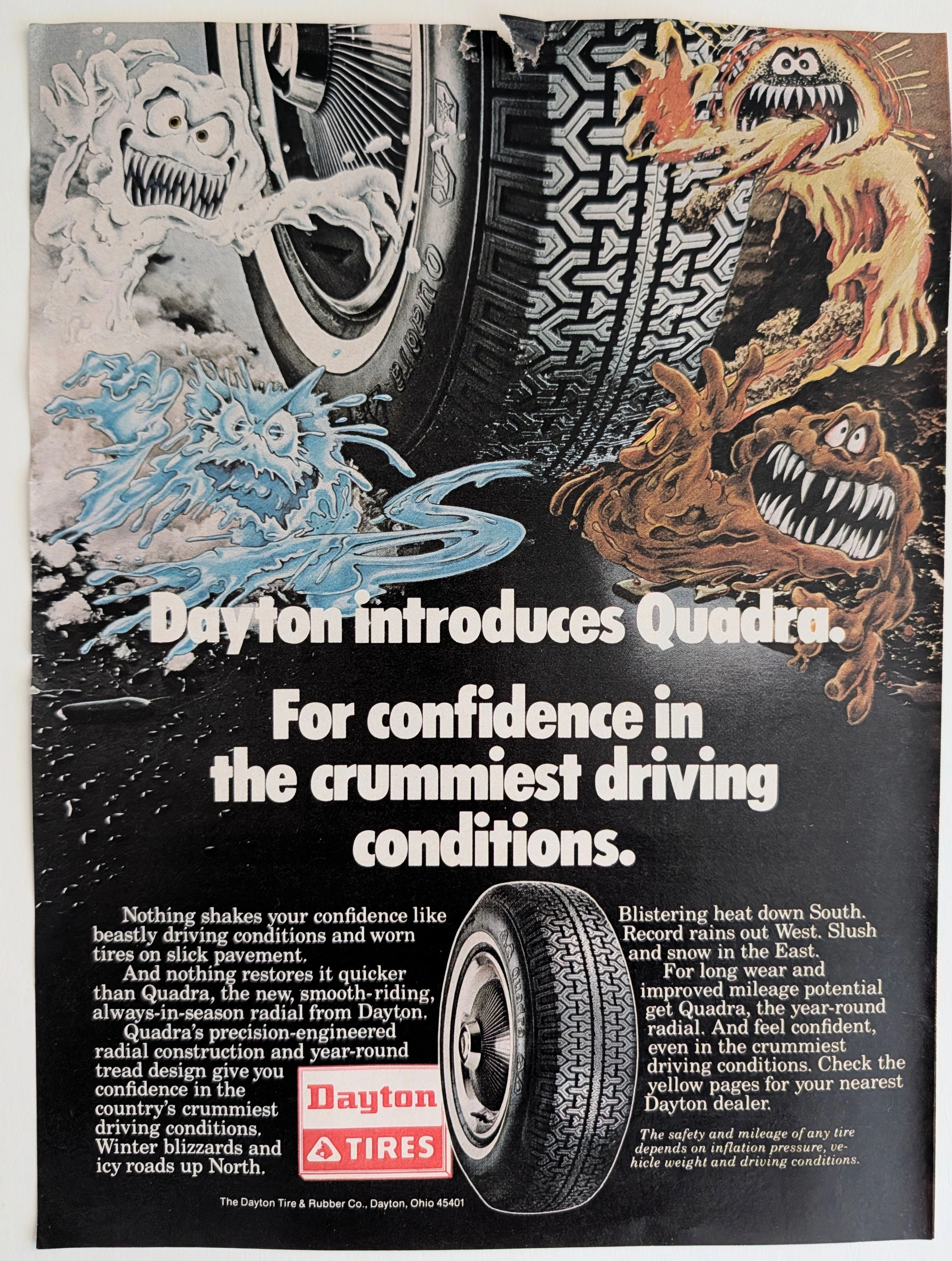
The Time Traveller's Dossier : 1970 Dayton Quadra - The Radial Shift

The tire is a philosophical boundary. It is the exact physical location where human intention meets planetary resistance. Before the widespread adoption of the radial tire, this boundary was fraught with anxiety. Drivers were at the mercy of the changing seasons. The transition from dry asphalt to frozen sludge required an operational shift. It demanded a change of equipment. It demanded a change of mindset. Then came the synthesis. The all-season radial. The Dayton Quadra advertisement does not merely sell rubber. It documents a shift in the American psychological landscape. It captures the moment the driver demanded dominion over all four corners of the climate, wrapped in a single, unyielding contact patch. We moved from seasonal adaptation to year-round defiance. This is the record of that transition.

Art & IllustrationAutomotive
Read More
The Time Traveller’s Dossier: 1983 Delco-GM/Bose Music System Vintage Advertisement — The Anthropomorphic Architecture of Sound — The Record Institute Journal
115
April 3, 2026

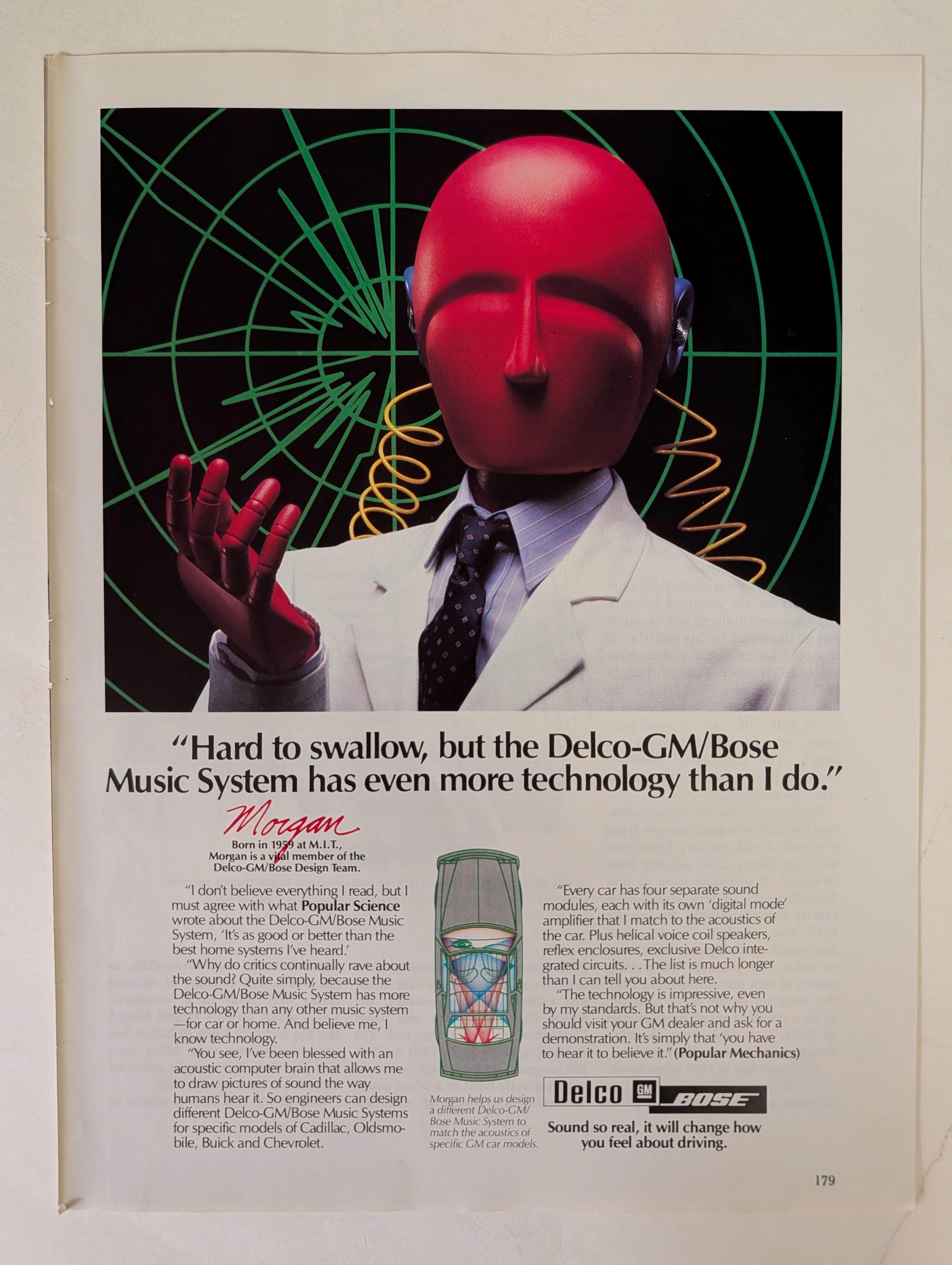
The Time Traveller’s Dossier: 1983 Delco-GM/Bose Music System Vintage Advertisement — The Anthropomorphic Architecture of Sound

Within the expansive, carefully curated archive of vintage ads, the 1983 Delco-GM/Bose Music System vintage advertisement stands as a profound testament to the intersection of automotive engineering and early psychoacoustics. This executive dossier examines a pivotal moment in consumer technology marketing, highlighted by the enigmatic figure of "Morgan," an acoustic computer brain developed at M.I.T. As a cornerstone among old advertisements, this piece transcends mere commercial promotion; it offers a fascinating, tactile glimpse into algorithmic audio design before the digital era fully matured. Collectors, audiophiles, and historians of classic print ads will recognize the profound cultural shift this campaign represents: the definitive transition from basic, aftermarket car radios to custom-tuned, acoustically mapped vehicular auditoriums. By merging General Motors' formidable industrial might with Bose's avant-garde acoustic science, this document captures a true revolution in high-fidelity sound. Explore the physical preservation, deep historical context, and striking visual rhetoric of an artifact that permanently altered how society perceives the driving experience, turning the automobile interior into a meticulously calculated chamber of sonic perfection.

Automotive
Read More
The Time Traveller’s Dossier: 1983 Evyan White Shoulders Vintage Advertisement — An Ode to Classical Romance and Elegance — The Record Institute Journal
151
April 2, 2026

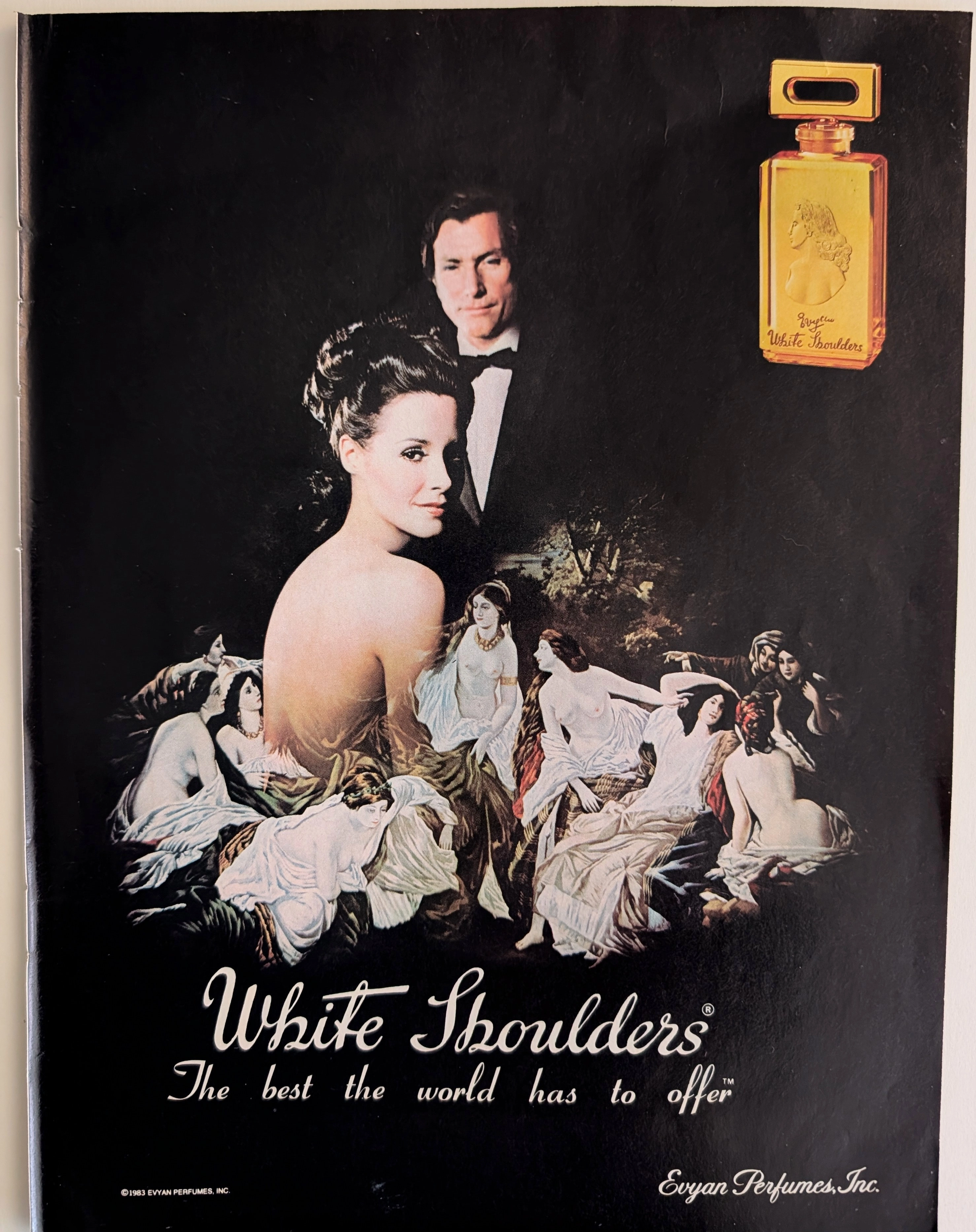
The Time Traveller’s Dossier: 1983 Evyan White Shoulders Vintage Advertisement — An Ode to Classical Romance and Elegance

Delve into the captivating allure of this 1983 Evyan White Shoulders vintage advertisement, a quintessential piece of twentieth-century fragrance history. As a prime example of premium classic print ads, this visual masterpiece brilliantly intertwines modern sophistication with renaissance-inspired artistry. The piece highlights the iconic golden bottle alongside a deeply romantic tableau, showcasing the enduring legacy of Evyan Perfumes. For collectors and archivists studying old advertisements, this document represents a pivotal era in 1980s luxury marketing, where the visual narrative relied heavily on classical femininity and timeless elegance. By preserving such remarkable vintage ads, we gain profound insights into the evolution of beauty campaigns and consumer desires. This dossier meticulously examines the print's historical context, archival paper quality, and unparalleled visual impact, offering an authoritative look at one of the era's most recognizable fragrance promotions.

Photography & FilmFashion & Luxury
Read More
The Time Traveller’s Dossier: 1978 Camel Lights Vintage Advertisement — The Golden Illusion of Diminished Harm — The Record Institute Journal
100
April 2, 2026

The Time Traveller’s Dossier: 1978 Camel Lights Vintage Advertisement — The Golden Illusion of Diminished Harm

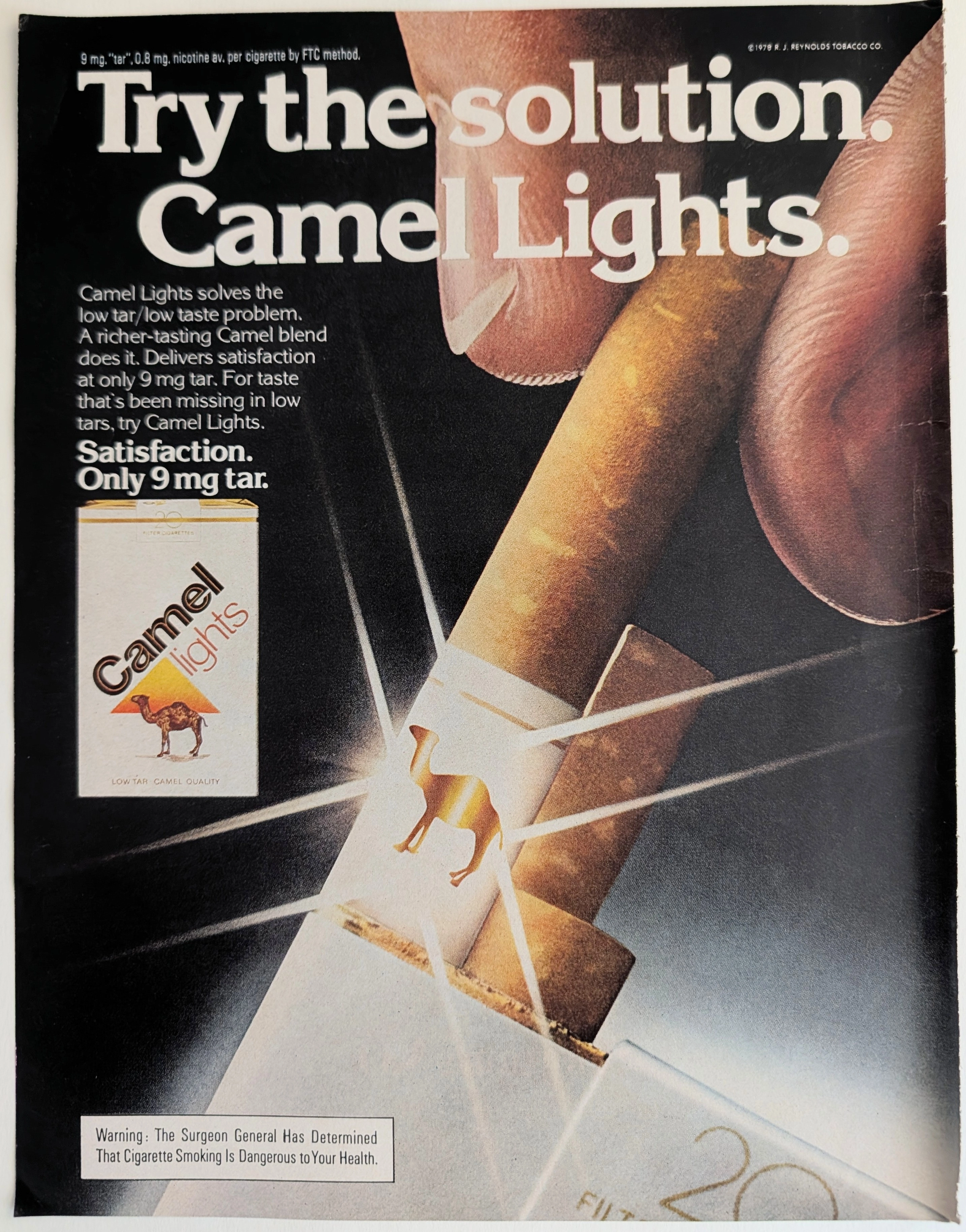
This archival dossier provides a comprehensive examination of the 1978 Camel Lights vintage advertisement, a defining artifact from an era when the global tobacco industry fiercely pivoted toward "low tar" alternatives in response to escalating public health mandates. As medical consensus shifted consumer habits in the late twentieth century, R.J. Reynolds introduced Camel Lights as "the solution" to the purported low tar and low taste dilemma. This document stands as a masterful exemplar of classic print ads, leveraging high-contrast macro photography and rugged, masculine aesthetics to retain fierce brand loyalty while navigating an increasingly regulated landscape. For archivists, cultural historians, and collectors of vintage ads and old advertisements, this artifact offers profound insight into the psychological marketing tactics of the 1970s. The visual centerpiece—a glowing golden camel illuminated by a struck match—demonstrates exceptional commercial print execution and art direction, cementing its status as a vital cultural document within the broader taxonomy of commercial advertising history.

Patina & RarityTobacco
Read More
The Time Traveler's Dossier: The Midnight Superbike – The 1979 Honda CB750K 10th Anniversary Limited Edition and the Dawn of the Universal Japanese Motorcycle Era — The Record Institute Journal
110
April 1, 2026

The Time Traveler's Dossier: The Midnight Superbike – The 1979 Honda CB750K 10th Anniversary Limited Edition and the Dawn of the Universal Japanese Motorcycle Era

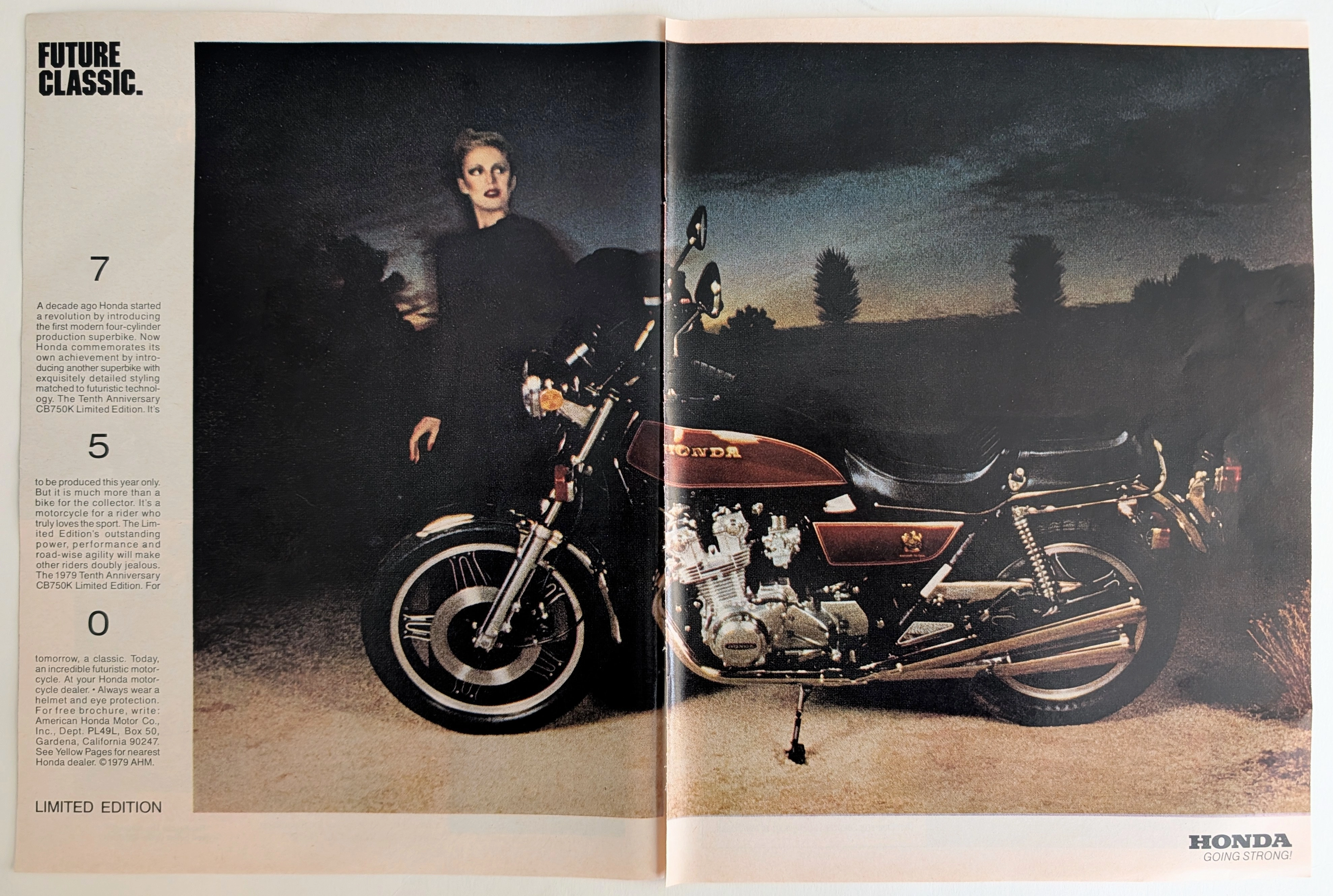
The evolution of the global motorcycle landscape in the 1970s was a saga of absolute disruption, characterized by the death of the leaky, vibrating parallel-twins of Europe and the sudden, overwhelming dominance of multi-cylinder Japanese engineering. Elegantly and securely positioned upon the analytical table of The Record Institute today is a visually sweeping, deeply atmospheric, and historically monumental two-page print advertisement for the 1979 Honda CB750K 10th Anniversary Limited Edition. This document completely transcends the standard boundaries of automotive marketing. It operates as a highly sophisticated cultural mirror and a bold declaration of mechanical supremacy. By strategically placing the motorcycle in a moody, high-fashion twilight setting, accompanied by the audacious headline "FUTURE CLASSIC.", American Honda Motor Co. executed a masterclass in psychological marketing. They were not merely selling a two-wheeled vehicle; they were selling a piece of pre-ordained history, a collectible artifact for the discerning rider who understood the gravity of the CB750 lineage. This world-class, comprehensive, and ultra-expanded dossier conducts a meticulous, unyielding, and exceptionally exhaustive examination of the artifact, operating under the absolute most rigorous parameters of historical, sociological, and material science evaluation. Dedicating the overwhelming, massive majority of our analytical focus (80%) to its immense historical gravity, we will decode the profound mechanical revolution sparked by the original 1969 CB750, trace the evolution of the inline-four engine, analyze the specific aesthetic upgrades of this 1979 Limited Edition (including the revolutionary Comstar wheels), and detail the intense corporate warfare of the 1970s superbike boom. Furthermore, as we venture deeply into the chemical and physical foundations of this analog printed ephemera (10%), we will reveal the precise mechanical fingerprints of the CMYK halftone rosettes captured in the stunning macro imagery of the golden side-cover crest and the gleaming exhaust pipes. Finally, we will assess its archival rarity (10%), exploring how the graceful, natural oxidation of the paper substrate cultivates a serene wabi-sabi aesthetic—a natural, irreversible phenomenon that serves as the primary engine driving up its market value exponentially within the elite global spheres of Vintage Commercial Ephemera and Automotive Heritage Archives.

Photography & FilmPatina & Rarity+1
Read More
The Time Traveler's Dossier: Diners Club International Vintage Advertisement -Doublecard  Credit Card 1979 — The Record Institute Journal
136
April 1, 2026

The Time Traveler's Dossier: Diners Club International Vintage Advertisement -Doublecard Credit Card 1979

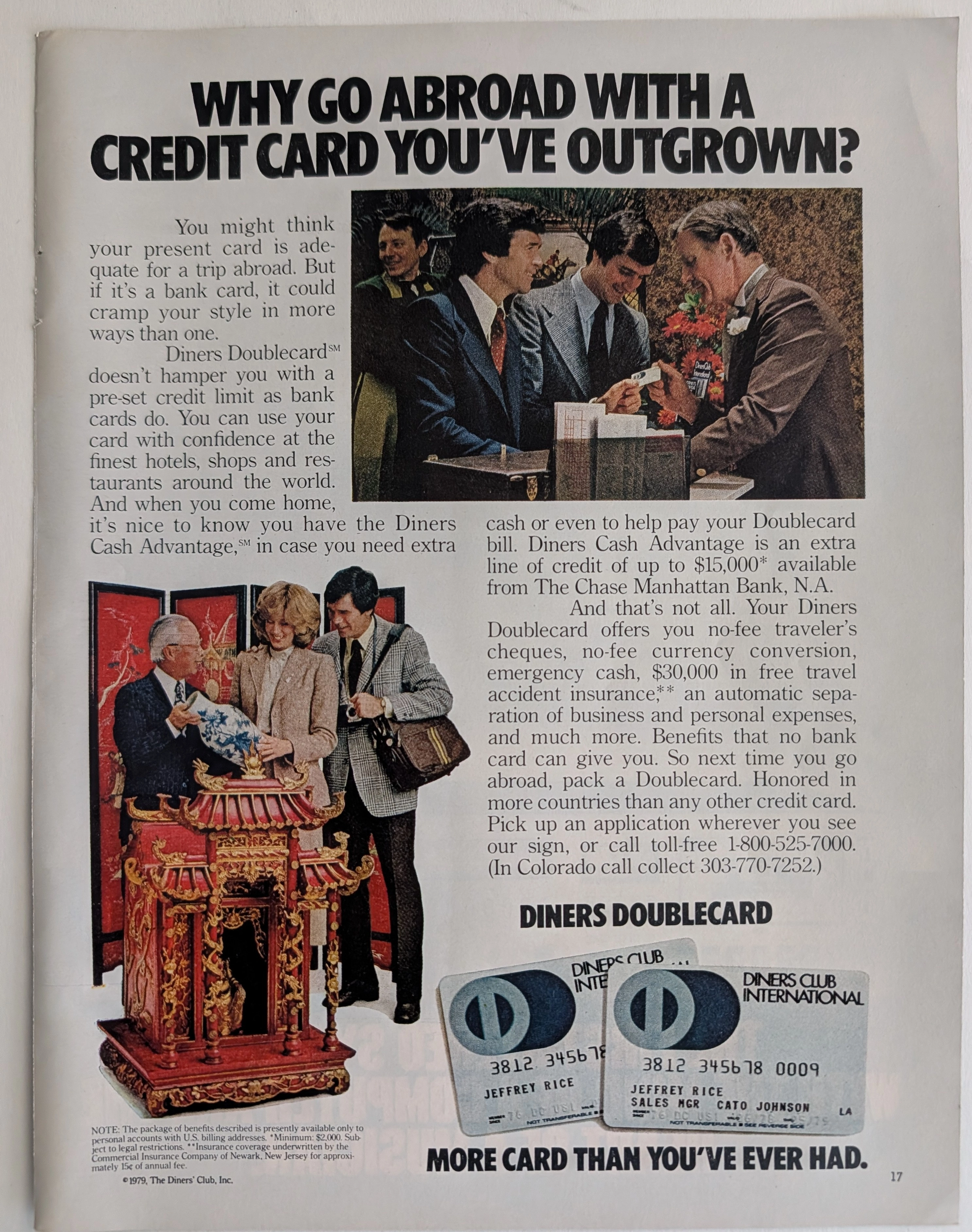
The evolution of the global consumer credit market in the late twentieth century was a fierce, high-stakes battle for the wallets of the expanding middle and upper-executive classes. Elegantly secured upon the analytical table of The Record Institute today is a visually dense, highly informative full-page print advertisement for Diners Club International, conclusively dated to 1979 by its copyright macro. This document transcends a simple financial solicitation; it operates as a sophisticated sociological mirror reflecting the anxieties and aspirations of the late-1970s American traveler. By heavily emphasizing the "Doublecard" innovation—a system providing one card for personal use and a secondary card for corporate expenses—Diners Club executed a targeted psychological marketing campaign against traditional bank cards (Visa and MasterCard). They sold the American consumer on the premise that pre-set spending limits were an insulting hindrance to the true global globetrotter, positioning their charge card as the ultimate, borderless financial passport. This comprehensive, museum-grade dossier conducts a meticulous examination of the artifact, operating under the most rigorous parameters of historical, sociological, and material science evaluation. Dedicating the vast majority of our analytical focus (80%) to its historical gravity, we will decode the brilliant marketing psychology embedded within the copywriting, trace the origins of the Travel and Entertainment (T&E) card industry, and analyze the specific visual semiotics of the exotic travel vignettes. Furthermore, as we venture into the chemical and physical foundations of this analog printed ephemera (10%), we will reveal the precise mechanical fingerprints of the CMYK halftone rosettes captured in the stunning macro imagery of the Asian shrine and the embossed credit cards. Finally, we will assess its archival rarity (10%), exploring how the natural oxidation of the paper substrate cultivates a serene wabi-sabi aesthetic, a phenomenon that provides irrefutable proof of its journey through time and solidifies its value within the elite global spheres of Vintage Commercial Ephemera.

Photography & Film
Read More

1–15 of 45